User Generated Content: Why the Best Marketing Often Isn’t Made By the Brand at All
Most brands eventually notice the same thing their own polished, professionally shot content doesn’t always outperform a shaky phone video from an actual customer talking about the product. That’s not a fluke. People trust other people more than they trust an ad, no matter how good the ad looks. That trust gap is exactly why user generated content has become less of a nice bonus and more of a core part of how brands actually market themselves now. The tricky part isn’t understanding why UGC works. It’s building a system that consistently gets it, without just waiting around and hoping customers post about you unprompted.
What is User Generated Content?
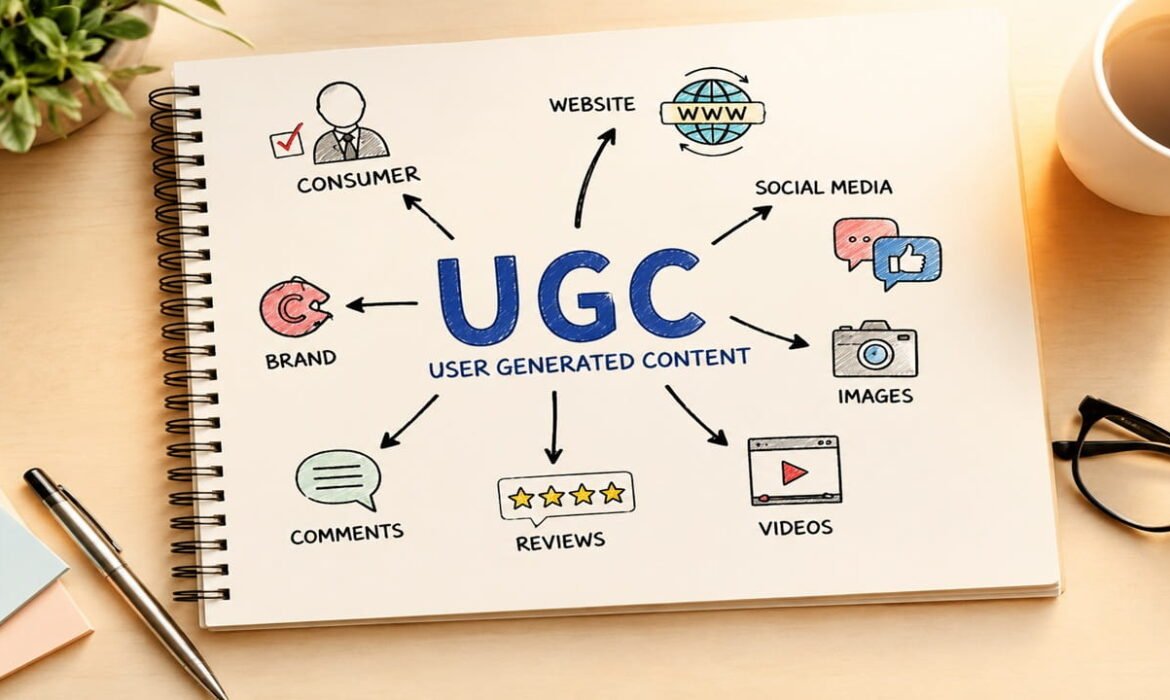
User generated content is, simply, anything created by real customers or fans rather than the brand itself a review, a photo, an unboxing video, a tweet, a Reel showing the product in actual use. What makes it valuable isn’t the production quality. It’s that it doesn’t look or sound like marketing, even though functionally, it absolutely is.
A quick way to spot whether a brand is actually using UGC well: check the last several posts on their feed or ads. Is there a mix of real customer content alongside the brand’s own? Or is everything clearly shot and scripted in-house? Accounts leaning entirely on polished brand content are usually leaving one of the most persuasive formats sitting completely untouched.
How User Generated Content (UGC) Improves Marketing Performance
Turning scattered customer content into an actual marketing channel takes more than just hoping people tag the brand occasionally. UGC marketing is the deliberate process of encouraging it, collecting it, and then actually putting it to work across ads, the website, and organic posts.
A workable UGC marketing approach usually includes:
- A clear, easy way for customers to actually share content a branded hashtag, a simple prompt at checkout, something low-effort
- Permission requests built into the process, so content can be reused without an awkward DM after the fact
- A system for actually collecting and organizing what comes in, instead of it getting lost in tagged posts nobody checks
- A plan for where that content actually gets used ads, the website, product pages, email
Without that last step, a lot of UGC just sits there being nice to look at and never actually does any work for the business.
What Are UGC Content Creators and Why Do Brands Hire Them?
Not every business gets enough organic UGC to work with, especially early on. That’s where UGC content creators come in people who create authentic-feeling, customer-style content specifically for a brand to use, without necessarily being an existing customer or having any real following themselves.
A few things worth knowing about this space:
- UGC Content creators are paid for the content itself, not for their reach the content usually gets used in the brand’s own ads and posts, not the creator’s
- It tends to be noticeably cheaper than traditional influencer marketing, since audience size isn’t part of the deal
- The best briefs still leave room for a natural, unscripted feel over-directed UGC-style content tends to look exactly like what it is, an ad in disguise
- It works especially well for performance ads, where that authentic, testimonial-style feel often outperforms polished brand creative
Genuine customer UGC and paid UGC-style content usually work best together, not as a choice between one or the other.
How User Generated Content Increases Ecommerce Sales
Ecommerce is where UGC tends to earn its keep the fastest, mostly because a shopper on a product page is actively trying to decide whether to trust what’s in front of them.
| UGC Placement | What It Does |
| Product page photos/videos from real customers | Builds trust right at the decision moment |
| Reviews with photos attached | Adds credibility beyond just star ratings |
| UGC-style ads (testimonials, unboxings) | Often outperforms polished brand ads in cost per result |
| Instagram Shopping tagged posts | Lets browsing turn into buying without leaving the app |
| Email featuring customer content | Reinforces trust for anyone still deciding |
A single well-placed customer video on a product page can move conversion rate more than another round of professional photography usually does.
When Should You Work with a UGC Marketing Agency?
At some point, collecting, organizing, and actually deploying UGC across every channel becomes more than an internal team can consistently manage, especially on top of everything else marketing requires. That’s usually when a UGC marketing agency actually earns its place.
What that tends to look like in practice:
- Setting up systems to actually collect UGC consistently, not just hoping it shows up
- Sourcing and briefing paid UGC creators to fill gaps where organic content is thin
- Handling usage rights and permissions properly, so nothing gets used without consent
- Testing UGC against brand-made content in ads, to actually prove which performs better rather than assuming
Common User Generated Content Marketing Mistakes to Avoid
- Never actually asking customers to create or share content, then wondering why there’s none
- Using UGC without getting proper permission first
- Over-scripting paid UGC creators until it stops feeling authentic
- Collecting UGC but never actually using it anywhere beyond the original post
- Treating all UGC the same, instead of testing what actually performs in ads versus what just looks nice organically
Industries That Benefit Most from User Generated Content
- Ecommerce
- Beauty & Skincare
- Fashion
- Food & Beverage
- Fitness & Wellness
- Travel & Hospitality
- Tech & Gadgets
Product-based businesses tend to see the fastest, clearest wins, though service businesses benefit too, usually through testimonials and client success stories.
How Arihant Global Builds High-Performing UGC Campaigns
At Arihant Global, UGC work starts with building an actual system for collecting content, rather than hoping it shows up on its own. That’s the unglamorous first step, and it gets skipped a lot elsewhere, but even the best UGC strategy falls flat without a steady, reliable way to gather it. Once that’s in place, the focus shifts to sourcing paid UGC creators where gaps exist, securing proper usage rights, and actually testing this content against brand-made creative in ads so decisions are based on what’s proven to work, not just what looks good.
Our User Generated Content Marketing Process
- Audience & Customer Discovery
- UGC Collection System Setup
- Paid Creator Sourcing (where needed)
- Permissions & Usage Rights Management
- Content Curation & Organization
- Deployment Across Ads, Site & Social
- Performance Testing
- Monthly Reporting
Frequently Asked Questions – User Generated Content
Q1. What counts as user generated content?
Basically anything a real customer or fan creates that features the brand, without the brand having produced it themselves a photo, a review with an image attached, an unboxing video, a tweet, a Reel showing the product in daily use. What makes it valuable is exactly that it wasn't made by the brand, which is part of why people trust it more than they trust something obviously scripted and shot in-house.
Q2. Why does UGC often outperform brand-made content?
Mostly because it doesn't look or feel like an ad, even though it's doing the same job. People have gotten fairly good at tuning out polished marketing, but a real customer talking about their actual experience reads as more honest, even if the production quality is nowhere close to professional. That perceived authenticity tends to translate into better trust and, often, better ad performance too.
Q3. What's the difference between UGC and influencer content?
Influencer content usually comes with an existing audience attached part of what's being paid for is that reach. UGC, whether organic or from a paid UGC creator, isn't really about reach at all; it's about the content itself being used elsewhere, typically in the brand's own ads or on its own channels. A UGC creator might have almost no following of their own and that's completely fine, since their followers were never the point.
Q4. Do I need permission to use customer content?
Yes, always, even if it feels like a formality for something small. A simple comment asking permission, or a note in the brand's terms about tagged content, usually covers it but using someone's photo or video in paid ads without any consent at all is a real risk, both from a trust standpoint and, depending on where the business operates, potentially a legal one too.
Q5. How do I get more customers to actually create content?
Usually by making it easy and giving them a reason to bother. A branded hashtag helps, but a specific prompt works even better asking for a photo at checkout, running a small incentive, or simply being the kind of brand that replies to and reshares customer posts. People are more likely to create content when they can see that someone's actually going to notice it.
Q6. Is paid UGC as effective as organic UGC?
Often, yes, especially in ads, since a well-briefed paid UGC creator can produce that same authentic, unscripted feel without a business having to wait around for real customers to post. The main thing to watch is over-directing the brief the second it feels scripted, it starts looking exactly like what it secretly is, and a lot of that trust advantage disappears.
Conclusion
If your brand’s marketing feels like it’s all coming from one voice yours that’s usually a sign UGC is an untapped opportunity, not a lost cause. Arihant Global can help build a system for collecting real customer content, sourcing the right paid creators to fill the gaps, and actually putting all of it to work across ads and social. Reach out and let’s talk through what that could look like for your brand.
Ready to Turn Customer Stories Into Marketing That Converts?
Build a UGC strategy that helps your brand collect authentic content, improve ad performance, and build stronger customer trust.
→ Talk to Arihant Global About Your UGC Campaign
Disclaimer
The information shared in this article is for educational purposes and reflects general marketing practices. Actual outcomes may differ based on business objectives, campaign strategy, audience behavior, content quality, and implementation.
Facebook Marketing Agency: Drive Qualified Leads, Sales & Business Growth with Meta Advertising
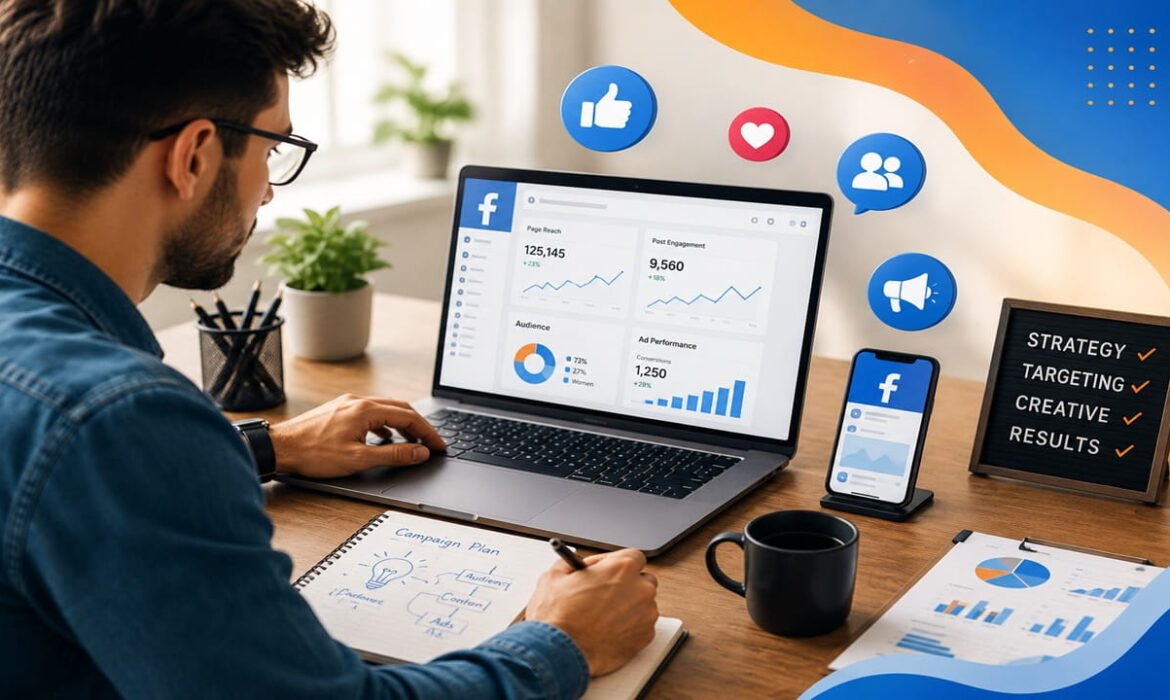
Most businesses don’t start looking for a Facebook Marketing Agency because things are going great. They start looking because the ad account that used to work just… stopped. Costs crept up, leads slowed down, and nobody on the team has the hours to figure out why. Usually, that’s not a Facebook problem. It’s a management problem.
Why Businesses Still Need a Facebook Marketing Agency
Here’s the thing about Facebook and Meta advertising in general the targeting is still genuinely good. You can reach people by interest, income bracket, past behavior, exact location, whatever you need. That part hasn’t changed. What’s changed is how much the platform expects from the accounts running on it.
Meta rewards clean data. It rewards accounts that keep testing. And it has almost no patience for the “set it up once and forget about it” approach that used to work back when competition was lighter. So when a business says Facebook Ads “stopped working,” what’s usually happened is the pixel’s been broken for two months, or the same three ad creatives have been running since spring. Nobody’s malicious about it it just falls through the cracks, because running ads well takes more consistent attention than most internal teams can actually give it.
What Is Facebook Marketing?
Facebook marketing is the use of Facebook and Meta’s connected ecosystem of Instagram, Messenger, and WhatsApp to promote a business, reach targeted audiences, generate qualified leads, and drive measurable sales. It combines organic content strategy, Meta Ads campaigns, audience targeting, remarketing, and conversion tracking into a single, accountable marketing system. For Indian businesses in 2026, with over 350 million active Facebook users across Delhi, Mumbai, Bangalore, Jaipur, and hundreds of smaller cities, Facebook marketing is one of the most direct paths from audience to revenue available at any budget level.
What Does a Facebook Marketing Company Do?
Real Facebook Marketing Services isn’t just an ad-running service. It’s managing the whole thing the page, the content, how the business responds to comments, and yes, the paid campaigns too as one coordinated effort instead of five disconnected tasks.
You can usually tell the difference within a few seconds of landing on a business’s Facebook page.
- Is it active?
- Does it look like someone’s actually there?
Or is the last post from eight months ago, right before a big ad campaign sends a thousand new visitors straight to it? That mismatch kills conversions more often than people realize. A Facebook marketing company worth hiring keeps the page looking alive so the ads pointing to it don’t undercut themselves.
And honestly, there’s a nice side benefit to running organic and paid together you get to see what content people actually respond to before you spend a dollar boosting it. Meta Business Suite hands you that data for free. Ignoring it and jumping straight to paid testing is just leaving cheap insight on the table.
Facebook Advertising Services That Deliver Measurable Results
When someone specifically needs help with the paid side not the social media, just the ads they’re really looking for a Facebook advertising company that’s in the account every day, not once a month.
This is the less exciting part of the work, if we’re being honest. It’s not glamorous. It’s:
- Building custom and lookalike audiences instead of just checking “everyone in the US, 18-65”
- Letting campaign budget optimization actually do its job, instead of manually splitting budget evenly across ad sets that clearly aren’t performing the same
- Writing different copy for someone who’s never heard of the brand versus someone who already added something to their cart
- Testing video against carousel against a plain static image, because you genuinely don’t know which wins until you run it
The auction itself never sits still. Competitors adjust bids, seasons shift demand, Meta rolls out an algorithm update nobody announced. Facebook advertising services that only get touched once a month are basically running on autopilot with the fuel gauge broken.
Facebook Ads Management Services Explained
This is usually where in-house efforts quietly give out. Not at launch launching is the easy part, honestly anyone can do that in an afternoon. It’s the week three, week six, week twelve grind that separates accounts that keep improving from ones that flatline.
| Task | Frequency | Why It Actually Matters |
| Performance review (CTR, CPC, CPA) | Daily/Weekly | Catches a bleeding ad set before it drains the whole budget |
| Creative refresh | Bi-weekly | Fatigue is real the same ad gets more expensive the longer it runs |
| Audience testing | Weekly | New pockets of buyers don’t find themselves |
| Budget reallocation | Weekly | Money should follow what’s winning, not what launched first |
| Pixel & Conversion API check | Monthly | Bad data quietly poisons every decision made after it |
| Reporting & strategy call | Monthly | Keeps the whole thing tied to actual business goals, not just “clicks went up“ |
Facebook Ads Management Services aren’t really a one-time thing, no matter how it’s sometimes sold. It’s ongoing, a little repetitive, and that’s exactly why it works someone’s paying attention when nobody else has the bandwidth to.
How Meta Ads Help Businesses Generate More Leads
Facebook and Instagram share a backend now Meta Ads Manager runs both so treating them as separate campaigns is kind of outdated at this point. A proper Meta Ads Agency lets one campaign structure serve Facebook, Instagram, Messenger, and Audience Network together, and lets Meta’s own delivery system decide where each person is most likely to convert.
This isn’t just a technical detail. A younger, more visual audience tends to respond better on Instagram Reels. A B2B decision-maker might actually convert through a boring Facebook lead form. If an agency is only thinking “Facebook,” they’re leaving half the picture on the table. A Facebook digital marketing agency that thinks Meta-wide tends to just… catch more of both, without extra spend wasted chasing the wrong placement.
There’s more available once you zoom out to the Meta level too Instagram Shopping tags, WhatsApp Business for direct messaging, catalog ads pulled straight from Shopify or WooCommerce so ecommerce brands can run dynamic product ads without manually updating creative every week.
Facebook Lead Generation Strategies That Convert
For service businesses, B2B companies, local shops clicks were never really the point. Leads are. And not just any leads, the kind that actually pick up the phone or show up to the consultation. That’s the entire job of a Facebook Lead Generation Agency.
There are basically two Lead Generation Strategies here:
- Lead form ads (Instant Forms) someone fills out their info without leaving Facebook at all. Less friction, usually more volume, though sometimes lower intent.
- Landing page campaigns traffic gets sent off-platform to a dedicated page. Slower, a bit more friction, but often better for anything higher-ticket where people need more convincing before they hand over their number.
A good Facebook ads consultant doesn’t just pick a lane and stick with it forever. They test both, and this part gets skipped constantly they actually track which leads turn into paying customers, not just which ones filled out a form. Connecting the ad account to something like HubSpot, Salesforce, or Zoho makes that possible. Without it, you’re optimizing for form fills, and form fills don’t pay invoices.
Why Facebook Advertising Delivers Better ROI Than Many Other Channels
What makes Facebook stand out isn’t any single feature it’s that you can stack them. Demographics plus interests plus behavior plus a lookalike audience built from your actual best customers. That combination is hard to replicate on a lot of other platforms.
The format variety helps too, more than people give it credit for. Video, carousel, collection ads, Instant Experience there’s actual room to tell a story instead of just slapping up a banner and hoping. That flexibility means one budget can do double duty: build some brand awareness and drive direct conversions at the same time.
Common Facebook Marketing Mistakes Businesses Make
Same handful of issues, over and over, across almost every underperforming account we’ve looked at:
- Targeting so broad it barely means anything “everyone who likes shopping,” basically
- Nobody checked whether the pixel and Conversion API are actually firing correctly (they’re often not)
- The exact same three ads have been running since who-knows-when, and costs keep climbing because of it
- No retargeting at all just cold traffic, forever, with zero attempt to catch the people who almost converted
- Pulling the plug after three days because “it’s not working,” when the algorithm hadn’t even finished learning yet
- Sending people to a landing page that says something completely different from what the ad promised
None of these are expensive fixes. They’re just easy to miss when there’s no one whose actual job is watching the account daily.
Industries That Benefit Most from Facebook Marketing Services
Meta advertising isn’t a magic bullet for absolutely everything, but it holds up well across a lot of sectors:
- Healthcare
- Education
- SaaS
- Ecommerce
- Manufacturing
- Real Estate
- Travel
- Finance
- Automotive
- Local Businesses
Each one needs its own playbook healthcare and finance especially, since Meta’s ad policies get strict fast in those spaces. Industry experience isn’t just a nice-to-have here; it genuinely changes what gets approved and what performs.
How Arihant Global Delivers Better Facebook Campaign Performance
At Arihant Global, nothing gets scaled until the tracking is right. That’s the boring first step, and it gets skipped a lot elsewhere, but no amount of clever targeting fixes bad data underneath it. Once the pixel and Conversion API are solid, campaigns move into real testing audiences, creative, offers before serious budget goes anywhere near a single direction. It’s a slower start than a lot of businesses expect walking in, but it means the spend that follows is based on what’s actually proven, not what looked promising in a planning meeting.
Our Facebook Marketing Process
- Business Discovery
- Audience Research
- Competitor Analysis
- Campaign Planning
- Creative Development
- Ad Copywriting
- Pixel & Conversion API Setup
- Campaign Launch
- Optimization
- Weekly Reporting
Frequently Asked Questions – Facebook Marketing
Q1. What does a Facebook Marketing Agency do?
Manages the whole Meta presence, not just ads the page, the content, and the paid campaigns together, aimed at actual results like leads or sales rather than just impressions.
Q2. Is Facebook advertising still effective in 2026?
Yes, for accounts that are actually maintained. Clean tracking and regular creative testing still produce solid, cost-efficient results it's the neglected accounts that struggle.
Q3. How much does Facebook advertising cost?
Varies a lot by industry and competition, but most businesses land somewhere between a few hundred and several thousand dollars a month in spend, separate from whatever the agency charges to manage it.
Q4. Which industries benefit from Facebook Ads?
Ecommerce, healthcare, education, real estate, SaaS, finance, and local service businesses all tend to do well though the actual strategy looks pretty different from one to the next.
Q5. How do agencies improve ROAS?
Mostly just relentless, unglamorous testing audiences, creative, budget splits paired with tracking accurate enough to actually trust the numbers coming back.
Q6. How long before Facebook Ads show results?
Two to four weeks, usually, before the algorithm has enough data to optimize properly. Judging a campaign before that point tends to lead to the wrong conclusion.
Q7. Why hire an agency instead of running ads yourself?
Mostly it comes down to time and daily attention that's genuinely hard to sustain part-time on top of everything else running a business involves, plus the technical side around tracking most people never learn.
Q8. What is the difference between Facebook Ads and Meta Ads?
Facebook Ads is specifically campaigns on Facebook. Meta Ads is the umbrella term Facebook, Instagram, Messenger, and Audience Network, managed as one system.
Final Thought
If your Facebook Ads have plateaued, or never really got going in the first place, it’s usually more fixable than it feels. Arihant Global works with businesses across ecommerce, healthcare, real estate, and B2B to build Meta campaigns on clean data from day one. Reach out and let’s talk through where things actually stand right now and what a more focused approach could look like from here.
Ready to Grow Your Business with Facebook Marketing?
Turn your Facebook and Meta Ads into a consistent source of qualified leads and sales. At Arihant Global, we create data-driven Facebook marketing strategies, high-performing ad campaigns, and continuous optimization to maximize your ROI. Contact our experts today for a free consultation and discover how Meta advertising can help your business grow faster.
Disclaimer
This blog is published by Arihant Global for informational purposes only. Advertising results vary based on industry, budget, audience, and campaign execution. Facebook and Meta are trademarks of Meta Platforms, Inc.
AI Social Media Marketing: Everything You Need to Grow Your Business Faster in 2026
Rising ad costs. Shrinking organic reach. AI tools your competitors are already using. Here’s how to catch up and pull ahead.
A marketing manager at a mid-size Indian brand was spending 14 hours a week on social media content writing captions, scheduling posts, pulling reports, and still wondering why engagement was flat. After integrating AI social media marketing tools across the workflow, that same output now takes under 3 hours. Lead quality improved. Cost per engagement dropped. The posts that once required a Friday afternoon to write now take twenty minutes.
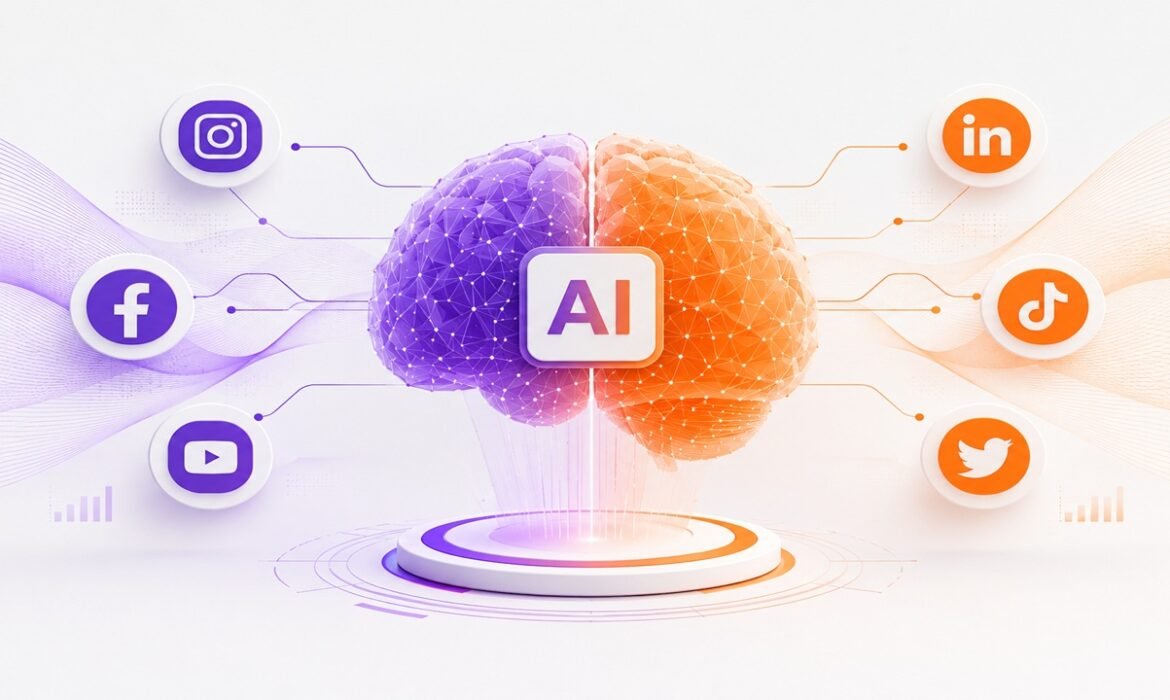
That is not a future scenario. It is happening now, in businesses of every size across India and globally. Artificial intelligence in social media marketing has moved from an experimental advantage to a competitive baseline and the brands that have not adopted it yet are already behind the ones that did 12 months ago.
This guide covers what AI social media marketing actually means in practice, which tools produce real results, how to build a strategy around it, and what mistakes to avoid without the generic hype that has filled most AI marketing content in 2025 and 2026.
What Is AI Social Media Marketing?
| AI social media marketing is the use of artificial intelligence technologies including generative AI, machine learning, natural language processing (NLP), and predictive analytics to plan, create, distribute, analyse, and optimise social media marketing campaigns. It enables businesses to produce personalised content at scale, automate repetitive tasks, identify high-performing content patterns, and respond to audience behaviour in real time reducing manual effort while improving campaign performance. |
01 | Why AI Is Reshaping Social Media
AI Social Media Marketing: Why 2026 Is the Tipping Point
Social media marketing used to be a volume game post frequently enough and the algorithm would eventually reward you. That model is broken. Organic reach on Facebook has fallen below 5% for most pages. Instagram Reels require not just frequency but precision: the right format, the right hook, the right first three seconds, for the right audience segment. The human capacity to optimize all these variables simultaneously hit its ceiling.
AI-powered social media marketing solves the scaling problem. Machine learning analyzes thousands of engagement data points that a human could never track manually, identifies the content patterns your specific audience responds to, and surfaces those insights in time to act on them. Generative AI then produces content variations at a speed and volume that would require a five-person team to match manually.
The Measurable Business Case
Businesses integrating AI social media automation into their marketing operations report an average 3–4x improvement in content output with no proportional headcount increase. More importantly, they report an improvement in content quality because AI tools optimize for engagement signals, not a content calendar, and because they free up human time for strategy and creative judgment rather than production.
| Metric | Before AI Integration | After AI Integration |
| Hours spent on content production | 14–18 hrs / week | 3–5 hrs / week |
| Content output per week | 5–8 pieces | 20–35 pieces |
| A/B tests run per month | 2–3 | 15–20 (automated) |
| Cost per engagement | ₹12–18 | ₹4–7 |
| Audience targeting precision | Broad demographic | Behavioural intent segments |
02 | AI Tools That Actually Deliver
Best AI Social Media Marketing Tools in 2026 What Each One Does
The AI tools landscape for social media marketing has matured significantly. There are now clear category leaders, and the mistake most marketers make is either adopting too many tools without integration or avoiding them entirely because the landscape feels overwhelming. Here is a focused, honest breakdown.
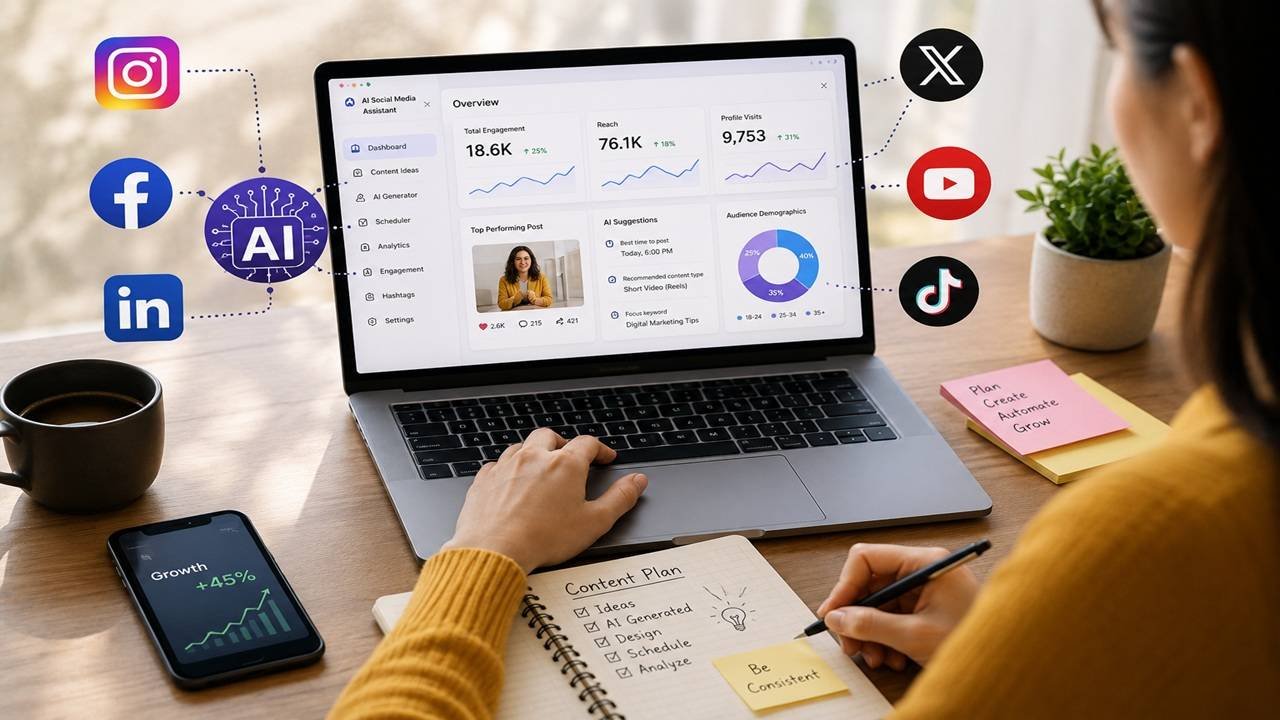
Content Creation and Copywriting
- ChatGPT (OpenAI): The most versatile AI writing tool available for social media. Generates captions, ad copy, comment responses, content calendars, and hashtag strategies. Its conversational AI capability is most powerful for drafting and iterating on content where human judgment refines the output rather than accepts it wholesale.
- Google Gemini: Particularly strong at multi-modal tasks combining text and image analysis for content recommendations. Gemini’s integration with Google Workspace makes it the natural choice for teams already operating in that ecosystem.
- Claude AI (Anthropic): Excels at longer-form social content blog extracts for LinkedIn, detailed post series, and content strategy documents. Claude AI for content creation has particular strengths in nuanced tone matching and consistent brand voice across multiple pieces.
- Jasper AI: A purpose-built AI marketing tool with pre-built templates for Instagram captions, Facebook ads, LinkedIn posts, and email subject lines. Better suited for teams wanting a structured workflow than open-ended AI assistance.
Design and Visual Content
- Canva AI social media: Magic Design and text-to-image tools inside Canva have made high-quality visual content creation accessible without a graphic designer. Canva AI social media design tools include background removal, auto-resizing for platform specifications, and brand kit integration that ensures visual consistency at scale.
- Meta AI: Meta’s built-in Meta AI tools for Facebook and Instagram ad creation particularly the Advantage+ creative features automatically generate and test multiple ad variations, identifying the highest-performing combinations without manual A/B test setup.
Scheduling, Analytics and Automation
- Buffer AI: AI-assisted scheduling recommendations based on your audience’s engagement history, plus AI caption generation inside the scheduling workflow.
- Hootsuite AI: Predictive analytics for social media, AI-generated post suggestions, and cross-platform scheduling. Hootsuite’s Owly Writer AI generates captions and content ideas directly inside the publishing workflow.
- Microsoft Copilot: Integrated into the Microsoft 365 ecosystem, Copilot assists with campaign reporting, content brief creation, and cross-channel marketing analysis for teams operating in SharePoint and Teams environments.
- Perplexity AI: Increasingly used for real-time social listening identifying emerging topics, competitor content patterns, and trending conversations in your industry before they peak.
03|Building Your AI Social Media Strategy
How to Build an AI Social Media Marketing Strategy That Generates Revenue
Having AI tools is not the same as having an AI social media marketing strategy. The businesses seeing the strongest results from AI integration are using it within a defined strategic framework not as a replacement for strategy, but as an execution layer that makes a good strategy dramatically more efficient.
Step 1 – Define the Business Outcome, Not the Content Goal
Before selecting any AI social media tool or building any content calendar, define the specific commercial outcome the campaign must produce: enquiries generated, product purchases, email sign-ups, or brand search volume increase. Every AI-generated content piece, every automated scheduling decision, and every audience segmentation should be optimized toward that commercial outcome not toward engagement metrics that have no direct revenue connection.
Step 2 – Segment Audiences with Machine Learning
Audience segmentation with AI moves well beyond basic demographic targeting. Machine learning models analyze behavioural patterns what users engage with, when they are active, what content format they consume most fully, and what they signal about purchase intent through their social media activity. Social media personalization with AI means different content, different creatives, and different calls-to-action for different audience segments simultaneously something no manual process can execute at scale.
Step 3 – Use Generative AI for Content Production, Not Strategy
Generative AI for social media is most powerful as a production accelerator, not a strategic decision-maker. Use ChatGPT, Claude AI, or Google Gemini for marketing to generate the first draft, the caption variations, the hashtag sets, and the hook options. Use human judgment for which angle fits your brand, which message matches the campaign objective, and which tone serves the specific audience segment. The AI produces at volume; the human curates for quality.
Step 4 – Automate Repetitive, Optimize Continuous
AI social media automation handles the tasks that consume time without requiring creative judgment: scheduling at optimal posting times, republishing high-performing content to new audience segments, routing comment and message responses to appropriate templates, and generating weekly performance reports. This layer frees human capacity for the high-judgment work: interpreting campaign data, refining messaging strategy, and identifying the creative directions worth scaling.
Step 5 – Close the Loop with Predictive Analytics
Predictive analytics for social media uses historical engagement data, competitor content patterns, and platform algorithm signals to forecast which content types will perform before they are published. AI-driven social media analytics moves reporting from backward-looking (what happened) to forward-looking (what to do next). Building this data-to-decision loop is what separates brands that consistently improve from those that react to results.
| Expert Insight Where AI Social Media Marketing Creates the Most Leverage The highest-leverage AI integration point in a social media workflow is not content creation it is audience segmentation and personalized retargeting. AI-powered customer engagement tools that identify warm audiences from social media behaviour and automatically serve them personalized follow-up content (via Meta retargeting, WhatsApp Business API, or email automation) produce conversion improvements of 3x–5x compared to untargeted post-engagement follow-up. |
04 | AI Social Media Automation in Practice
AI Social Media Automation: What to Automate and What to Keep Human
The question businesses most commonly get wrong about social media marketing automation is the boundary: what should be automated and what should remain human-driven? Getting this wrong in either direction costs performance.
Automate These
- Post scheduling at AI-recommended optimal times by platform and audience segment
- Content calendar population from approved content briefs
- Performance report generation and distribution to stakeholders
- Initial comment and message routing based on intent classification
- Audience segmentation updates based on engagement behaviour
- A/B test setup and basic results monitoring
- Hashtag research and competitive content monitoring with Perplexity AI
Keep These Human
- Brand voice decisions and tone judgment on sensitive topics
- Crisis communications and real-time reputation management
- Creative concept direction and campaign angle selection
- Influencer relationship management and partnership conversations
- Final approval on all published content before it goes live
- Strategic interpretation of AI analytics outputs and campaign pivots
05 | Mistakes That Kill AI Social Media Results
5 AI Social Media Marketing Mistakes That Undermine Results
1. Publishing AI content unedited:
The most visible AI marketing failure mode. ChatGPT and other generative AI tools produce plausible-sounding content, but that content has no brand specificity, no genuine insight, and no authentic voice. Audiences and increasingly platform algorithms can identify AI-generated content with no human intervention. The standard should always be AI-drafted, human-edited, and brand-approved before publication.
2. Using AI tools without integration:
Buffer AI scheduling combined with ChatGPT captions combined with Canva AI visuals combined with Hootsuite AI analytics is a powerful stack. The same tools used in isolation each producing data in a separate dashboard create a reporting fragmentation problem that actually reduces strategic clarity.
3. Optimizing for AI metrics instead of business metrics:
AI social media tools surface a large number of engagement optimization opportunities. Chasing the engagement metrics the AI flags (comment rate, share rate, save rate) without connecting them to commercial outcomes (leads, sales, brand search volume) produces increasingly engaged audiences that never convert.
4. Over-automating customer-facing interaction:
Automated responses to comments and messages work for initial routing and acknowledgement. Allowing conversational AI to handle extended customer conversations without human review consistently produces tone mismatches and accuracy errors that damage brand trust far more than a slower human response would.
5. Ignoring AI ethics and platform transparency guidelines:
Meta, LinkedIn, and TikTok have all published guidelines on AI-generated content labelling. Platforms are beginning to algorithmically detect undisclosed AI content. Businesses that are transparent about AI assistance in their creative process are consistently better positioned as these platform policies tighten.
06 | FAQ AEO Optimized
Frequently Asked Questions – AI Social Media Marketing
Q1. What is AI social media marketing?
AI social media marketing is the application of artificial intelligence including generative AI, machine learning, natural language processing, and predictive analytics to the planning, creation, scheduling, distribution, and optimization of social media campaigns. Tools like ChatGPT, Google Gemini, Canva AI, Buffer AI, and Hootsuite AI enable businesses to produce more content, reach more relevant audiences, and improve campaign performance at lower cost per engagement.
Q2. What are the best AI social media marketing tools in 2026?
The leading AI social media marketing tools in 2026 are: ChatGPT and Claude AI for content creation and copywriting; Google Gemini for multi-modal content analysis; Canva AI for social media design and visual content; Jasper AI for structured marketing templates; Buffer AI and Hootsuite AI for AI-powered scheduling and analytics; Meta AI's Advantage+ for Facebook and Instagram ad automation; and Perplexity AI for real-time social listening and competitive monitoring.
Q3. How does AI social media automation work?
AI social media automation works by applying machine learning algorithms to historical and real-time social media performance data to make decisions that previously required human judgment scheduling posts at optimal times, routing audience segments to relevant content, generating performance reports, and identifying the highest-performing content types before resources are committed to production. Tools like Buffer AI and Hootsuite AI handle the scheduling and analytics layer; ChatGPT and Canva AI handle content generation.
Q4. Can small businesses benefit from AI-powered social media marketing?
Yes small businesses benefit disproportionately from AI social media marketing because the efficiency gains have the greatest impact when team size is small. A two-person marketing team using AI social media tools can produce the content output of a 5–6 person team without automation. Canva AI reduces the need for a dedicated graphic designer. ChatGPT reduces the need for a dedicated copywriter for routine content. The tools that once required enterprise budgets are now available at price points accessible to MSMEs and startups.
Q5. How does generative AI improve social media content quality?
Generative AI improves social media content quality through speed of iteration rather than raw quality of first drafts. By generating 10 hook variations in seconds, AI allows human marketers to select and refine the strongest option rather than defaulting to the first idea that came to mind under time pressure. Canva AI's design suggestions and ChatGPT's caption variations shift the human role from production to curation a higher-judgment activity that consistently produces better outputs.
Q6. What is the difference between AI social media automation and social media scheduling tools?
Traditional social media scheduling tools (Hootsuite, Buffer before AI integration) simply publish content at pre-set times. AI social media automation adds intelligent decision layers: machine learning determines optimal posting times based on your specific audience's activity patterns, AI analyses which content formats and topics produce the highest engagement for each platform, and automation routes audience interactions to the most relevant follow-up sequences. The distinction is between scheduled delivery and intelligent optimization.
Conclusion
AI Social Media Marketing: The Competitive Advantage That Is Already Closing
The window in which AI social media marketing is a differentiator rather than a baseline is closing quickly. The brands that integrated AI tools into their social media workflows in 2024 and 2025 have already compounded a production efficiency advantage, an audience data advantage, and a content optimization advantage that takes time to bridge.
This is not about replacing the human judgment that makes social media marketing genuinely effective. AI-powered social media marketing is at its best when it removes the production overhead that was consuming that judgment freeing human marketers to do the strategic, creative, and relational work that no machine learning model can replicate.
The question is not whether your business should adopt AI social media marketing. It is how far behind you want to be when the competitors who already have make that distance visible.
| Partner with Arihant Global for AI-Powered Social Media Marketing Arihant Global delivers AI social media marketing strategies, AI content creation for social media, social media automation, and performance-driven campaigns for Indian businesses across every sector. ISO 9001:2015 & ISO 27001:2022 certified. Est. 2012. 500+ brands. Free social media audit: arihantglobal.net | 0141-2942622 | Jaipur, Rajasthan, India. |
Disclaimer
This content is for informational and educational purposes only. AI tools, features, and platform policies may change over time. Results from AI social media marketing vary based on your strategy, industry, audience, and execution. Always verify the latest platform guidelines and evaluate tools carefully before making business or marketing decisions.
Lead Generation Services in India: SEO, Google Ads, Meta Ads & Funnel Strategy for Scalable Growth 2026
Most businesses in India aren’t struggling because of a bad product. They’re struggling because the right people never find them. That’s a lead generation problem, and it’s far more common than most founders want to admit.
Whether you’re running a B2B software company in Pune, a real estate firm in Mumbai, or a coaching institute in Jaipur, an unpredictable enquiry pipeline will quietly undo even genuinely good work. No amount of service quality fixes a lead flow that swings between feast and famine every quarter. This is where properly built lead generation services in India earn their keep not by promising a fixed number of leads, but by fixing the actual system behind why leads show up inconsistently in the first place.
This isn’t a theoretical framework. It’s the pattern we see across nearly every business that comes to us after trying agencies that ran isolated campaigns instead of a connected strategy good clicks, poor conversions, and a sales team left guessing which channel actually deserves credit.
Why Most Lead Generation Services in India Fall Flat
Before getting into tactics, it’s worth asking why so many campaigns underdeliver.
most businesses treat lead generation as a set of isolated actions rather than one connected system. They run Google Ads without fixing the landing page it sends traffic to. They invest in SEO while targeting the wrong keywords entirely. They boost a few Facebook posts and call that a Meta strategy. Each piece looks reasonable in isolation together, they produce wasted budget, low-quality enquiries, and a sales team stuck chasing leads that were never actually ready to buy.
Real lead generation the kind that compounds instead of resetting every month works differently. It starts with a system, not a channel.
What Are Lead Generation Services?
Lead generation services help businesses attract, qualify, and convert potential customers through channels such as SEO, Google Ads, Meta Ads, landing pages, marketing automation, and conversion optimization. Instead of focusing only on traffic, a modern lead generation strategy builds a complete acquisition system that consistently delivers qualified enquiries and measurable business growth.
SEO-Driven Lead Generation Services: The Channel That Pays You Back
Search Engine Optimization isn’t glamorous, and it doesn’t produce overnight results. But for businesses that commit to it, SEO becomes the most cost-efficient lead generation channel they have, because once a page ranks, it keeps earning enquiries without a daily ad spend attached to it.
When someone searches “B2B lead generation services in India” or “performance marketing agency near me,” they’ve already decided they want help. Ranking on page one means capturing that Search intent for free, repeatedly, instead of paying for every single click.
What genuine SEO-driven lead generation actually requires:
- Targeting keywords with real commercial intent, not just high search volume
- Building location-specific pages for businesses serving multiple cities
- Google Business Profile optimization as a lead generation asset, not an afterthought
- Publishing content that answers real buyer questions, not keyword-stuffed filler
- Fixing technical issues site speed, mobile experience, crawlability that quietly kill rankings
- Earning backlinks from credible, relevant sources to build genuine domain authority
Businesses that invested in SEO two years ago are generating leads today at a fraction of what their competitors now pay on paid channels alone. That compounding advantage is hard for a competitor to close quickly, which is exactly why it’s worth starting now rather than waiting for “the right time.”
Google Ads for Lead Generation: Putting Your Business in Front of Ready Buyers
If SEO is the long game, Google Ads is the fast lane but only when it’s managed with real precision.
The problem with most Google Ads accounts in India isn’t the platform. It’s poor account setup, overly broad keyword targeting, and missing conversion tracking. Budget disappears, leads don’t show up, and the business concludes “Google Ads doesn’t work.” It works. The difference is entirely in how it’s managed.
What a high-performing Google Ads setup for lead generation actually includes:
- Search campaigns built around bottom-of-funnel, high-intent keywords
- Tightly written ad copy that speaks directly to the pain point behind the search
- Dedicated landing pages matched to the ad never a generic homepage dump
- Conversion tracking on every form fill, call, and chat interaction
- Negative keyword lists that stop spend from leaking to irrelevant searches
- Regular bid adjustments based on what’s actually converting, not guesswork
- Remarketing sequences that recapture visitors who clicked but didn’t enquire
A Google Ads partner that actually understands lead generation services will obsess over cost per qualified lead not cost per click, which is a vanity number that tells you almost nothing about revenue.
Meta Ads Agency Strategy: Reaching Buyers Before They Know They Need You
Google captures demand that already exists. Meta creates it.
Facebook and Instagram advertising in India is genuinely effective for businesses that understand the difference between awareness-stage and conversion-stage campaigns. The most common mistake is running straight conversion ads to a completely cold audience and then wondering why performance is weak.
What a Meta ads agency approach actually looks like when it’s done properly:
- Building warm audiences through video views, page engagement, and website visits before pushing an offer
- Using native lead forms so prospects can enquire without ever leaving the app
- Lookalike audiences built from real customer data, not guessed interest targeting
- Creative testing across formats video, carousel, static to find what genuinely resonates
- Retargeting sequences that move someone from curious to convinced over days, not seconds
- Separate campaigns for distinct buyer segments, each with messaging tailored to them specifically
A capable Meta ads agency or Facebook ads agency in India will tell you plainly that creative quality and audience strategy matter more than raw budget size a smaller budget with sharp targeting consistently outperforms a large budget aimed at the wrong audience.
Funnel Strategy: Where Traffic Actually Becomes Revenue
Most businesses obsess over getting more traffic. Few ask the harder question:
why isn’t the traffic they already have converting?
That’s a funnel problem, and every channel you invest in SEO, Google Ads, Meta Ads needs somewhere structured to land. Without that landing infrastructure, you’re pouring water into a leaky bucket regardless of how good the acquisition strategy is upstream.
A funnel that actually works keeps things simple:
- One clear offer on the landing page a visitor should know within three seconds what you do and why it matters to them
- Real social proof placed at the right moment a testimonial near the contact form does more work than a trophy shelf on your homepage
- Frictionless next steps WhatsApp, a short form, a direct call link, nothing that adds unnecessary clicks
- Immediate follow-up a lead that waits 24 hours for a response is already talking to a competitor
- CRM tracking so you know precisely where people drop off, not just that they did
Without this backbone, even genuinely well-performing ad campaigns leave real money on the table because a strong funnel doesn’t just capture more leads, it captures better ones by filtering out visitors who were never going to convert in the first place.
B2B Lead Generation Services: A Different Animal Entirely
Selling to businesses isn’t like selling to consumers. Nobody signs a six-figure contract because they saw one Instagram ad.
B2B buyers research extensively, involve multiple stakeholders, and take their time often 30 to 90 days or longer. A lead generation strategy that ignores this reality burns budget chasing urgency that was never there.
What actually moves the needle for B2B lead generation services:
- Google Search Ads built around specific job roles and business problems, not generic industry terms
- LinkedIn campaigns that reach founders, procurement heads, and department decision-makers directly
- Case studies and comparison content that earn trust during a long research phase
- Lead magnets that offer something genuinely useful upfront, not a thinly veiled sales pitch
- Lead scoring so your sales team calls the right people first, not just the most recent
- Nurture sequences that stay relevant across the full decision window instead of going cold after one email
More enquiries isn’t always the goal in B2B. Better enquiries is.
AI Search Is Changing Lead Generation
A growing share of your leads now come through ChatGPT, Gemini, and Google AI Overviews, not just search results pages. Miss that shift, and you don’t lose rankings. you lose the conversation before it starts. That’s why our lead generation services build entity optimization, structured data, and expert-led content in from day one, not as an afterthought.
What to Look for in Lead Generation Services Partner
Choosing the right performance marketing agency in India is the single decision that determines whether everything else actually works.
Look for these signals before signing anything:
- They ask about your sales process before they ever talk about ad budgets
- They report on qualified leads and revenue, not just clicks and impressions
- They can show verifiable case studies in your industry or a genuinely comparable one
- They set realistic timelines SEO takes months, not weeks, and they’ll say so upfront
- They own mistakes and adapt, rather than making excuses when a campaign underperforms
- They integrate channels as one system rather than managing each one in isolation
If an Lead Generation agency promises guaranteed first-page rankings in 30 days, or a fixed number of leads per month before they’ve understood your business at all that’s a signal to walk away, not sign on.
How Arihant Global Delivers Lead Generation Services in India
One good campaign won’t fix a broken pipeline. What actually builds a business is a lead generation system that runs consistently, month after month not one that only performs when someone remembers to boost a post.
Here’s how we approach every lead generation services engagement:
- Audit first understanding where your current leads come from, where they drop off, and what competitors are doing better before recommending anything
- Strategy before spend channels, messaging, and funnel structure get defined before a single rupee goes into ads
- Build and launch as one system SEO groundwork, ad campaigns, and High converting landing pages go live together, not as separate, disconnected experiments
- Track what actually matters every lead traced back to its source, so you know exactly what’s working and what isn’t
- Optimize continuously weekly performance reviews, creative testing, and funnel improvements that compound results over time instead of flatlining after month one
No siloed campaigns. No vanity metrics. Just a pipeline your sales team can genuinely work with.
Frequently Asked Questions – Lead Generation Services
What are lead generation services?
Lead generation services combine SEO, paid advertising, and funnel strategy to attract and convert prospective customers into qualified enquiries leads a sales team can realistically follow up and close, rather than raw traffic or impressions.
How long does SEO take to generate leads?
Meaningful SEO-driven lead generation typically takes three to six months to show consistent results, though timelines vary by industry competitiveness and current site health. It compounds afterward, unlike paid channels that stop the moment spend stops.
Should I choose SEO or Google Ads for lead generation?
Most businesses benefit from both Google Ads for immediate, high-intent leads, and SEO for compounding, lower-cost leads over time. Relying on only one channel usually leaves growth on the table.
How is B2B lead generation different from B2C?
B2B lead generation involves longer decision cycles, multiple stakeholders, and higher-consideration buying, so it relies more heavily on LinkedIn, case studies, and nurture sequences rather than impulse-driven ad formats.
Conclusion: Build the System, Then Scale It
If your enquiries feel unpredictable right now, that inconsistency is exactly the problem genuine lead generation services in India are built to fix not with a bigger ad budget, but with a system where SEO, paid media, and your funnel finally work together instead of against each other. Walk away with a clear picture of where your leads are being lost, and exactly what it takes to fix it because your next customer is already searching. The only real question is whether they find you or your competitor first.
Ready to stop guessing and start growing? Book a free strategy call with Arihant Global.
Disclaimer
This article by Arihant Global is intended for informational purposes. Marketing outcomes depend on your business, market, competition, and execution.
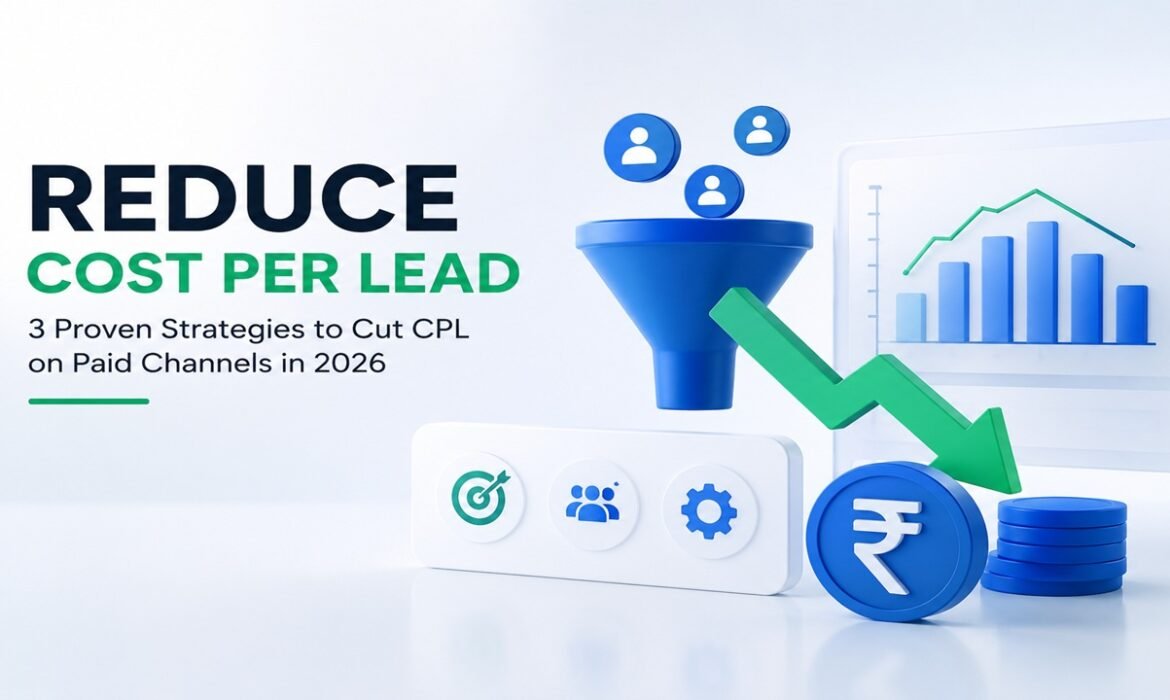
Reduce Cost Per Lead: 3 Proven Strategies to Cut CPL on Paid Channels in 2026
If you’re running ads and your budget is increasing but your leads aren’t, it can feel like something is wrong. This is a common problem ads are running, clicks are coming in, but the CPL is increasing.
If you’re struggling with rising CPL, working with a digital marketing Company in Jaipur like Arihant Global can help identify hidden gaps.
The truth is straightforward: you may not need more budget; you need better optimization.
Let’s go over a no-nonsense guide on how to reduce cost per lead.
What is Cost Per Lead (CPL)?
Cost Per Lead (CPL) is the amount of money spent to get one lead.
Cost Per Lead Formula:
- CPL = Total Ad Spend / Total Leads
In other words, if you spend ₹10,000 and get 50 leads, then your CPL is ₹200.
But if you reduce Cost Per Lead, you are getting more out of your spend, provided you get interested and convertible leads.
Why Your Cost Per Lead is Increasing
There are a few possible explanations if you are seeing an increase in your CPL:
- Irrelevant targeting
- Lack of engagement from your ads
- Poor conversion on your landing pages
- Poor campaign structure
- Lack of optimization
One other thing that you might be forgetting is that if you reduce cpc in Google Ads, you are giving yourself room to reduce your CPL.
Strategy 1: Tighten Your Targeting
One of the best ways to reduce your CPL is to refine your targeting.
If your targeting is too broad, then you’re essentially paying for clicks that may never convert to leads.
What works better:
- Specific targeting of your audience segments
- Targeting your existing visitor data to create custom audiences
- Run targeted campaigns for your existing users
- Targeting specific audiences by excluding others
For example, instead of targeting everyone, target people actively searching for your service in a specific location.
Refining your targeting means refining your relevance. And relevance is one of the best ways to reduce your cost per lead.
Strategy 2: Fix Your website Landing Page
You can’t have leads if people aren’t converting. And one of the most common causes of high CPLs is a poor website landing page.
Let’s focus on the basics:
- A clear and prominent page title
- A clear and prominent call-to-action
- Fast page load times
- Mobile-friendly page layout
- Trust elements such as reviews or testimonials
In addition, keep your forms simple and to the point. You don’t want to ask for too much information too early in the conversion process.
The better seo optimized website landing page performs the lower your CPL, even if your traffic remains constant.
Strategy 3: Improve Your Ads and Optimize Cost Per Click
Your ads directly impact your CTR and CPL.
If your ads aren’t interesting or relevant, you’ll pay a higher cost per click in Google Ads.
That’s why you should continually improve your ads, not just to increase your CTR, but to reduce CPC in Google Ads, which directly impacts your CPL.
What to Improve
- Clear and benefit-oriented ad copy
- Different variations of headlines and descriptions
- Powerful images or videos
- Alignment with user intent
- Keep Testing
You should test various versions of your ads and keep an eye on their performance over time. Small reductions in CPC and CTR can add up to significant reductions in CPL.
Google Ads vs Facebook Ads: What to Focus On
The approach is slightly different for each.
Google Ads:
- Target high-intent keywords
- Use negative keywords to reduce irrelevant traffic
- Optimize Quality Score to reduce CPC
Facebook Ads:
- Frequently test creatives
- Use interest and behavioral targeting
- Retarget users after interaction
Both Google Ads and Facebook Ads are effective when properly optimized.
What’s a Good Cost Per Lead?
CPL differs based on your industry. Some of the industry-based CPL ranges are as follows:
- Education: ₹200 – ₹1500
- Real Estate: ₹500 – ₹3000
- Healthcare: ₹300 – ₹2000
- Digital Services: ₹200 – ₹1000
If you have a high CPL, you know what you need to work on.
Common Mistakes That Increase CPL
Here are a few things that often go wrong:
- Targeting too many people at once
- Ignoring campaign data
- Not updating ads regularly
- Sending traffic to weak landing pages
- Focusing only on lead quantity, not quality
Getting these things right can make a big difference.
Simple Action Plan You Can Start Today
If you want to see performance improvements fast, here are some things you can do:
- Improve your targeting
- Improve your landing page clarity
- Try new ad creatives
- Work on improving your cost per click
- Improve your results monitoring
The key to the greatest performance improvements is small, incremental changes.
FAQs – COST PER LEAD
The best way to reduce your cost per lead in paid ads is to focus on improving your targeting, improving your landing page, and continually improving your ad creatives. By improving your targeting and conversion rates, your cost per lead will automatically reduce, even if your budget remains the same. Yes, it does. When your cost per click goes down in Google Ads, your spending per visitor also comes down. Therefore, your cost per lead also comes down, provided your conversion rate remains the same. Cost per lead varies depending upon your industry. In digital services, it may be around ₹200 to ₹1000. In real estate, it may be as high as ₹3000. However, the key is to ensure that your leads are high quality and convert into paying customers. If your cost per lead is high, it means your targeting has not been done properly, your conversion rate has not been satisfactory, your ad creatives have not been good, or your campaign has not been set up properly. By improving these factors, your cost per lead can be reduced. You can also lower CPL in Google Ads by optimizing your quality score, using relevant keywords, negative keywords, and optimizing the landing page experience. To lower CPL in Facebook Ads, you should try to use multiple creatives, target the audience, and also try to use retargeting ads. No, it is not necessarily better to have a lower CPL. You should also consider the quality of leads. The major factors that affect CPL the most include audience targeting, ad relevance, landing page, and conversion rate. You should try to review your campaigns at least once a week. Yes, small businesses can also lower CPL, and it is not a problem for them to lower CPL and compete with other bigger businesses.
1. How can I reduce my cost per lead in paid ads?
2. Does reducing cost per click reduce cost per lead?
3. How much should my cost per lead be?
4. Why is my cost per lead so high?
5. How do I reduce cost per lead in Google Ads?
6. How can I lower CPL in Facebook Ads?
7. Is a lower cost per lead always better?
8. What affects cost per lead the most?
9. How often should I optimize my campaigns?
10. Can small businesses lower CPL?
Final Thoughts
The key to improving your cost per lead is not to find magic tricks to lower your cost per lead. It’s to make your marketing campaigns work more effectively at every stage.
If your targeting is precise, your landing page is effective, and your ads are optimized, including your cost per click, then your cost per lead will begin to rise.
This is exactly how Arihant Global operates all digital marketing campaigns.
Need a Second Opinion on Your Campaigns?
If your CPL is higher than it needs to be, it may help to get a second opinion on your campaigns.
Disclaimer
This article is based on the best practices and experiences learned from running numerous campaigns in the field of digital marketing. The results may vary depending on your business and the industry that you belong to. The experiences and ideas shared here are based on the practical experiences and approaches that Arihant Global uses in its business.
Internet Marketing Company in India: Complete 2026 Guide to Choosing the Right Digital Growth Partner
Looking for an internet marketing company in India? This 2026 guide breaks down services, pricing, AI search readiness, and exactly how to choose an agency that grows revenue not just traffic
An internet marketing company in India is a full-stack digital growth partner that manages a business’s online visibility and revenue generation across SEO, paid ads, social media, content, and increasingly AI search platforms like Google AI Overviews, ChatGPT, and Perplexity. The best Indian agencies in 2026 combine traditional SEO with Answer Engine Optimization (AEO) and Generative Engine Optimization (GEO) to make sure a brand shows up whether a customer types a query into Google or asks an AI assistant directly.
- India has one of the world’s largest pools of digital marketing talent, making Indian agencies a cost-efficient choice for global and domestic businesses alike.
- “Digital marketing” in 2026 is no longer just SEO and ads it now includes optimizing for AI-generated answers (GEO/AEO), not just blue links.
- The right agency should be evaluated on outcomes (leads, revenue, qualified traffic), not vanity metrics like raw traffic or keyword rankings alone.
- Full-stack agencies that combine SEO, paid media, content, and AI search optimization under one roof typically outperform siloed, single-service vendors.
- Look for verifiable experience, named case studies, platform certifications, and transparent reporting not just claims.
What Is an Internet Marketing Company in India?
An internet marketing company in India also called a digital marketing agency, online marketing company is a business that helps other businesses acquire customers through digital channels. This typically spans:
- Search Engine Optimization (SEO)
- Pay-Per-Click advertising (PPC) and performance marketing
- Social media marketing and management
- Content marketing and content strategy
- Website design, development, and conversion optimization
- Increasingly: AI search visibility (GEO/AEO) and marketing automation
India has become a global hub for this work for a straightforward reason: a deep bench of trained digital talent, strong English-language capability, and cost structures that let businesses get senior-level strategy without enterprise-level pricing. This is why “internet marketing company India” is searched not just by Indian small businesses, but by companies in the US, UK, Australia, and Middle East looking for an offshore or fully-remote marketing partner.
Key Takeaways
- The terms internet marketing agency, digital marketing agency, and online marketing company are used interchangeably in India. they refer to the same category of service provider.
- Indian agencies serve both domestic SMBs and international clients, often functioning as an extended in-house marketing team.
Why Businesses Choose an Internet Marketing Agency in India
|
Factor |
Why It Matters |
|
Cost efficiency |
Access to strategic, senior-level marketing talent at 30–60% of Western market rates |
|
Talent depth |
Large pool of specialists across SEO, paid media, analytics, and AI tools |
|
Time zone advantage |
Many agencies offer overlapping or extended-hours support for US/UK/EU clients |
|
Full-stack capability |
Many Indian agencies bundle SEO + PPC + content + social under one contract, reducing vendor sprawl |
|
Fast execution cycles |
Larger in-house teams mean faster turnaround on content, creative, and campaign launches |
Key Takeaways
- Cost is a factor, but it should never be the only one the cheapest agency is rarely the one that drives the best ROI.
- Full-stack agencies reduce the coordination overhead of managing five different vendors for five different channels.
Core Services to Expect From a Full-Stack Digital Marketing Company
A genuinely “full stack digital marketing company” as opposed to a single-service vendor should offer the following under one roof:
1. SEO Company Services (India)
Technical SEO audits, on-page optimization, content structuring, backlink strategy, and increasingly, Entity SEO helping search engines and AI models correctly understand what your brand is, what it does, and who it serves inside the Knowledge Graph, not just which keywords your pages contain.
2. PPC Agency / Performance Marketing
Google Ads, Meta Ads, LinkedIn Ads, and programmatic campaigns managed with a performance-first mindset cost per acquisition (CPA), return on ad spend (ROAS), and lead quality, not just clicks.
3. Social Media Marketing Company Services
Organic content strategy, community management, paid social, and increasingly, short-form video strategy tuned for platform-specific algorithms.
4. Content Marketing Agency Services
Blog content, pillar pages, video scripts, and thought-leadership content built around search intent and topical authority clusters of interlinked content that establish a domain as a trusted source in its niche, both to search engines and AI systems.
5. AI Marketing Agency Capabilities
This is the newest and fastest-growing layer: using AI campaign optimization, personalization, predictive analytics, and critically making sure a brand is visible inside AI-generated answers, not just traditional search results.
Key Takeaways
- A true full-stack agency eliminates the need to hire separate SEO, PPC, social, and content vendors.
- AI marketing capability is now a baseline expectation for a modern agency, not a premium add-on.
How Search Itself Has Changed And Why Your Agency Needs to Keep Up
This is the part most “SEO company India” listicles from a few years ago miss entirely, because search itself has fundamentally changed.
1. Definition Box: Search Experience Optimization (SXO)
SXO is the practice of optimizing not just for search engine rankings, but for the entire user journey from the moment someone types a query to the moment they convert on a website. It merges SEO, UX design, and conversion rate optimization into one discipline.
2. Definition Box: Generative Engine Optimization (GEO)
Generative Engine Optimization is the practice of structuring content so that generative AI systems (Google AI Overviews, ChatGPT, Perplexity, Claude, Gemini) can accurately extract, summarize, and cite it when answering user questions even when the user never clicks through to the website.
3. Definition Box: Answer Engine Optimization (AEO)
AEO focuses specifically on winning featured snippets, “People Also Ask” boxes, and voice search results by structuring content as direct, extractable answers to specific questions.
Here’s why this matters for anyone evaluating a AI digital marketing agency in 2026:
- Zero-click search is now common a growing share of searches are answered directly on the results page or by an AI Overview, meaning the website never gets a click at all. Visibility now matters even without traffic.
- AI Overviews pull from sources that demonstrate clear expertise and structured, factual content which is why EEAT (Experience, Expertise, Authoritativeness, Trust) has become central to SEO strategy, not a side consideration.
- Semantic search means Google (and AI systems) now understand the meaning and intent behind a query, not just the literal keywords so content built around topic clusters and entities outperforms keyword-stuffed pages.
- Voice search and visual search are growing input methods, especially on mobile, requiring content written in natural, conversational language and images with strong structured metadata.
- Search quality raters and algorithms increasingly reward demonstrable, real-world expertise named authors, verifiable credentials, and original insight over generic, AI-generated filler content.
Key Takeaways
- An agency still selling “SEO” as keyword rankings alone is optimizing for a search landscape that no longer exists.
- The agencies winning in 2026 treat GEO, AEO, and traditional SEO as one integrated discipline, because Google’s own AI Overviews and third-party AI assistants are now a primary discovery channel.
Comparison: Internet Marketing vs. Digital Marketing vs. Performance Marketing
| Term | Primary Focus | Best For |
| Internet Marketing Company | Broad umbrella covering all online channels (SEO, ads, social, content) | Businesses wanting one full-stack growth partner |
| Digital Marketing Agency | Same scope as above; term more common in enterprise/corporate contexts | Larger businesses, brand-led marketing |
| Performance Marketing Company | Paid channels optimized purely for measurable ROI (leads, sales, CPA) | Businesses prioritizing short-term, trackable revenue |
| SEO Company | Organic search visibility specifically | Businesses building long-term, compounding organic traffic |
| AI Marketing Agency | AI-driven personalization, automation, and AI search visibility | Businesses wanting to future-proof visibility across AI platforms |
Key Takeaways
- These terms overlap heavily in practice most reputable “internet marketing companies” in India today offer all of the above under one contract.
- The distinction matters mainly when a business has one specific, narrow need (e.g., only paid ads) rather than a full growth strategy.
How to Choose the Right Internet Marketing Company in India
A structured evaluation checklist:
- Ask for outcome-based case studies, not just service lists e.g., “we grew organic leads by X% in Y months for a client in [your industry].”
- Check industries served an agency with direct experience in your sector (SaaS, e-commerce, healthcare, real estate, D2C, B2B) will ramp up faster and avoid rookie mistakes.
- Verify certifications and partnerships Google Partner status, Meta Business Partner status, HubSpot or similar platform certifications signal a baseline of verified competency.
- Ask about their AI search readiness do they actively structure content for AI Overviews and GEO, or are they still selling 2018-style SEO?
- Review their own website and content an agency that can’t rank or structure its own site well is a red flag.
- Request transparent reporting you should see real dashboards (GA4, Search Console, ad platform data), not vague monthly PDFs.
- Clarify contract flexibility avoid long lock-in contracts with agencies unwilling to prove results in a shorter initial period.
Key Takeaways
- Evaluate agencies the same way you’d evaluate any strategic hire: track record, specialization fit, and transparency.
- Be wary of agencies promising guaranteed #1 rankings no ethical SEO company India can guarantee specific rankings, since search algorithms are outside any agency’s direct control.
Why Experience and Credentials (EEAT) Matter More Than Ever
Google’s Search Quality guidelines and, by extension, how AI systems decide which sources to trust and cite are built around EEAT: Experience, Expertise, Authoritativeness, and Trust. When evaluating an internet marketing company in India, look for a genuine, verifiable version of the following:
- Years of experience: [X]+ years actively managing digital campaigns across multiple market cycles and algorithm updates.
- Industries served: [e.g., SaaS, D2C e-commerce, healthcare, real estate, BFSI, education list actual verticals].
- Certifications and partnerships: [e.g., Google Partner, Meta Business Partner, HubSpot Certified, Semrush/Ahrefs certifications list actual credentials].
- Awards and recognitions: [e.g., industry awards, “Top Agency” listings from recognized directories like Clutch or DesignRush list actual recognitions].
Key Takeaways
- Generic claims like “award-winning” or “years of experience” without specifics reduce credibility rather than build it.
- Specific, named, checkable facts are exactly what AI Overviews and search quality systems are trained to favor.
Frequently Asked Questions – Internet Marketing Company
Q1. What does an internet marketing company in India actually do?
It manages a business's digital growth across SEO, paid advertising, social media, content, and website optimization functioning as either a full outsourced marketing team or a specialist extension of an in-house team.
Q2. Is it cost-effective to hire a digital marketing agency in India for a business based abroad?
Yes Indian agencies typically offer strategic and execution talent at a lower cost than agencies in the US, UK, or Australia, while still delivering senior-level strategy, which is why many international businesses hire Indian agencies remotely.
Q3. What's the difference between an SEO company and a full-stack digital marketing agency?
An SEO company focuses solely on organic search visibility, while a full-stack agency manages SEO alongside paid ads, social media, content, and AI search optimization under one strategy.
Q4. How is AI changing digital marketing agencies in India?
Agencies are now optimizing not just for Google's traditional search results, but for AI Overviews and AI assistants like ChatGPT and Perplexity a discipline known as Generative Engine Optimization (GEO), which requires structuring content for direct extraction and citation by AI systems.
Q5. How do I know if a marketing agency is right for my small business?
Look for agencies with direct case studies in your industry, transparent reporting, realistic (not guaranteed) ranking promises, and service packages sized appropriately for a small business budget rather than enterprise-scale retainers.
Final Thoughts
Choosing an internet marketing company in India in 2026 means choosing a partner that understands both halves of modern search: the traditional Google results page, and the growing layer of AI-generated answers sitting on top of it. The agencies that will compound value over time are the ones treating SEO, AEO, and GEO as one connected system built on real experience, verifiable credentials, and content designed to earn trust from readers and AI systems alike.
Ready to Grow Your Business with Arihant Global?
Partner with Arihant Global for data-driven digital marketing strategies that help improve your online visibility, generate quality leads, and support long-term business growth.
Disclaimer
This content is provided by Arihant Global for educational purposes only. Marketing outcomes vary by business and market conditions. We do not guarantee specific rankings or results, but we are committed to delivering transparent, ethical, and performance-focused digital marketing solutions.
How to Choose a Brand Advertising Agency in India That Actually Builds Your Brand in 2026
A definitive 2026 guide to evaluating brand strategy, creative execution, and measurable brand lift – before you Choose anyone.
A founder I spoke to last month had just ended a two-year contract with a well-known brand advertising agency in India. The work was good. The decks were sharp. Their logo redesign won a small regional award. And yet, eighteen months in, when she asked her own team to describe what the brand actually stood for in one sentence, nobody could agree on an answer. That’s the failure mode nobody puts in the case study a brand advertising agency can produce beautiful, awarded work and still leave you without a brand anyone can actually hold onto.
This matters more in 2026 than it did five years ago, because the cost of brand confusion has gone up. Categories are crowded, attention is fragmented across a dozen platforms, and a buyer who can’t immediately tell what makes you different will simply default to whoever’s cheapest or most familiar. Choosing the right branding Company in India isn’t really a creative decision anymore. It’s a strategic one, and it deserves to be evaluated that way.
Why Choosing the Right Brand Advertising Agency in India Is Now a Strategic Decision – Not a Creative One
A founder I spoke to recently had just ended a two-year contract with a well-known brand advertising agency in India. The work was polished. The decks were sharp. Their logo redesign even picked up a regional award. But eighteen months in, when she asked her own team to describe what the company stood for in one sentence, nobody could agree. That’s the failure mode nobody puts in a case study and it’s more common than any agency pitch will tell you. In 2026, categories are crowded, attention is split across more platforms than any single brand can chase, and a buyer who can’t immediately tell why you’re different will default to whoever they already know or whoever costs less. Picking a branding Company in India has quietly stopped being a creative question. It is now one of the most consequential strategic decisions a growing business can make and it deserves to be evaluated.
What “brand advertising” actually means, and why agencies blur it
A lot of confusion starts because “branding” and “advertising” get sold as one bundled service when they’re really two different disciplines that happen to feed each other. Branding is the decision layer who you are, what you stand for, who you’re for, and why anyone should care. Advertising is the distribution layer how that decision gets communicated, where, and to whom. A brand marketing agency that’s strong on the second and weak on the first will produce campaigns that look great in isolation but don’t add up to anything coherent over time. You end up with a brand that looks different every quarter because there was never a real decision underneath the execution.
The agencies worth hiring in 2026 are explicit about which of these two things they’re doing for you at any given stage, and they don’t let a strategy gap get papered over with good production values.
Our Brand Strategy Process: From Audit to Measurable Identity
Before getting into how to evaluate agencies, it’s worth showing what a disciplined process actually looks like end to end this is the same four-stage framework we follow at Arihant Global for every brand engagement, outlined on our about page:
1. Analyze
We start by understanding the business’s category, competitors, and audience perception before a single creative concept gets discussed this stage typically produces a real audit document, not a slide of generic personas.
2. Strategize
We translate that analysis into a specific, falsifiable positioning decision. the actual one-sentence answer to “what makes you different,” written down and stress-tested before any visual work begins.
3. Implement
Identity, tone of voice, and campaign execution get built as the outward expression of that decision, across every channel, monitored continuously rather than reviewed only at campaign’s end.
4. Measure
We close the loop with brand lift indicators tied to the original positioning unaided recall, consideration-set inclusion, or qualitative shifts in how the brand is described not just whether the client liked the final deck.
Keep this sequence in mind through the rest of this piece, because most of what separates a strong brand advertising agency from a mediocre one comes down to whether they actually follow these four stages in order, or skip straight to execution.
The diagnostic question that exposes weak agencies fast
Ask any branding and Digital Marketing agency you’re considering this single question:
"If you had to describe our brand's positioning in one sentence, without using the words 'quality,' 'innovative,' 'trusted,' or 'leading,' what would you say?"
Almost every agency can talk fluently about your industry. Far fewer can actually commit to a specific, falsifiable claim about what makes you different something a competitor genuinely couldn’t say about themselves with a straight face. If the answer you get back sounds like it could apply to any company in your category with the name swapped out, that’s not a positioning statement. It’s a placeholder. A corporate branding Company in India that you can rely on long-term should be able to defend a sharp, specific answer to this question before they’ve billed you a single rupee for a deck.
What a real brand strategy process looks like
A credible brand strategy agency in India will generally move through three layers before a single visual gets made, and will resist the temptation to skip straight to logos and color palettes because clients usually want to see “something” fast.
1. Audience and category mapping
Not a generic persona slide, but a real understanding of who specifically buys from you, what alternatives they’re weighing you against, and what they currently believe about your category that you either need to reinforce or challenge.
2. Positioning and narrative
The actual decision about what you stand for, written down as something specific enough to be wrong. If your positioning statement is so safe that it can’t possibly be challenged, it also can’t possibly be memorable.
3. Identity and expression
Only now does visual identity, tone of voice, and messaging architecture get built as the outward expression of a decision that’s already been made, not as a substitute for making one.
A top creative branding Company in India that starts with mood boards before this work is done is optimizing for a fast “wow” moment in the pitch, not for a brand that holds together two years later.
Brand Advertising execution: where strategy either pays off or falls apart
Once positioning is settled, the advertising work should feel like it’s translating one consistent idea across formats and channels, not inventing a new voice for every campaign. This is where a lot of brand advertising company relationships in India quietly break down the strategy team hands off to a separate creative or media team, and the connective thread gets lost somewhere in that handoff.
A few signs the execution is staying true to the strategy campaigns across television, digital, and out-of-home all sound like they came from the same brand, rather than each channel team reinventing tone independently. Performance marketing and brand marketing aren’t run as separate, uncoordinated tracks competing for the same budget. And creative testing is treated as a way to sharpen the existing idea, not as an excuse to chase whatever performed best on a different brand entirely.
An advertising agency for brands that does this well will usually show you a single strategic thread running through very different-looking executions, rather than a portfolio of disconnected, individually impressive ads. You can see how this plays out across our own brand promotion strategy first, execution as its expression.
Questions worth asking before you sign Branding Company in india
Ask Question to see a brand they built the positioning for from scratch, not just a brand they ran ads for. The two skills are related but not identical, and many agencies are genuinely strong at one and merely adequate at the other.
Ask what happens when the agency and your internal team disagree on a strategic call. An agency with no good answer here either avoids conflict by deferring to whatever the client wants, which defeats the point of hiring outside expertise, or pushes their own view regardless of input, which makes them hard to work with long-term. The right answer involves a real process for resolving disagreement, not a default.
Ask how they’d measure whether the brand work succeeded a year from now, in terms that go beyond “the client liked it.” Brand lift studies, unaided recall, consideration-set inclusion, even qualitative interviews there should be some intended way to know whether the work actually changed how people think about you.
Reading proposals honestly
Many brand promotion agency proposals in India are still priced and structured around deliverables number of campaign concepts, number of touchpoints, number of revision rounds because that’s easier to scope and quote than strategic judgment. But the deliverable count tells you almost nothing about whether the underlying thinking is sound. A proposal with three tightly reasoned creative routes built on a clear positioning will consistently outperform one offering eight loosely connected options with no stated rationale for any of them.
If a proposal jumps straight to visual concepts without first stating, in plain language, what decision those concepts are expressing, that’s worth questioning before any contract gets signed.
Conclusion
The right brand advertising agency in India won’t sell you a logo, a colour palette, or a campaign concept first. They’ll start by telling you exactly what your brand stands for in one sentence, with no jargon and build everything after that from that single, defensible idea.
That’s the standard most agencies quietly avoid, because meeting it requires real strategic work rather than creative volume.
If you’re evaluating agencies right now, hold every shortlisted partner to the same test, ask them what makes your business different, and watch how fast they reach for a slide deck instead of an answer. The ones who answer first and design second are the ones worth a longer conversation.
Tell Us What Your Brand Stands For – We’ll Tell You If Your Market Agrees
Arihant Global works with 2000+ Indian businesses that are serious about brand positioning, not just brand aesthetics. If you’re not sure whether your current brand strategy is doing the commercial work it should be, start with a free positioning audit. One conversation. No pitch deck. Just an honest read of where you stand. Get in Touch with Our Branding Expert Team
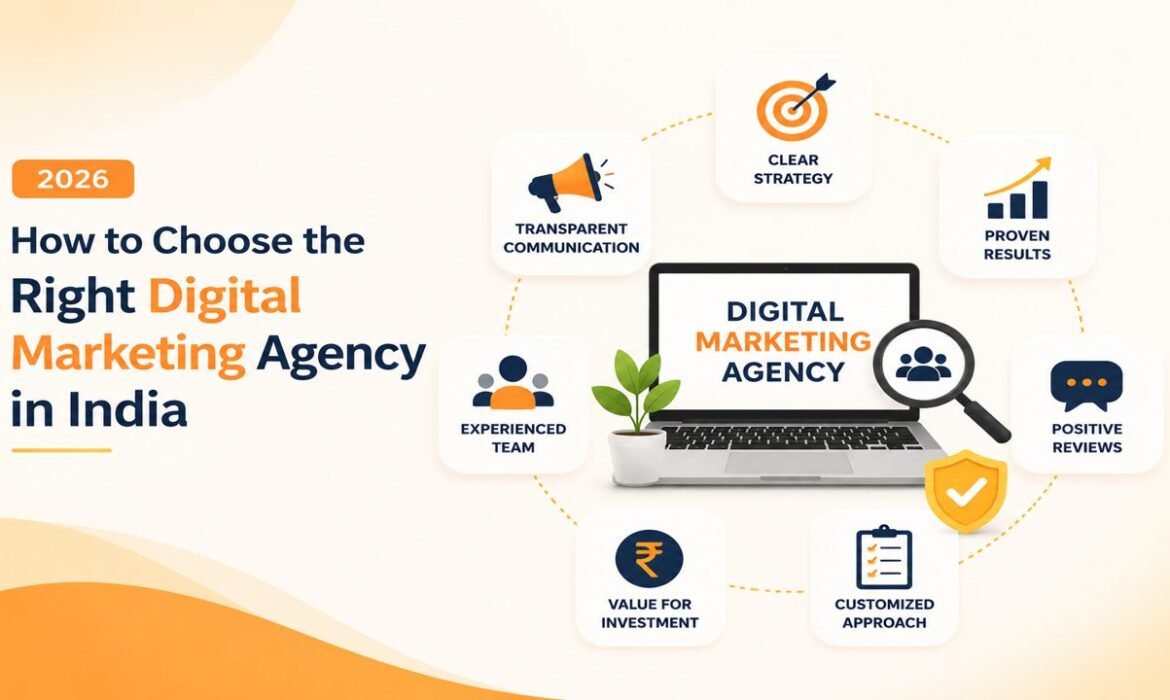
How to Choose the Right Digital Marketing Agency in India (2026)
How to choose a digital marketing agency in India in 2026. A practical framework from an agency with 2,000+ brand mandates covering what to ask, what to compare, and what to walk away from
Picking a digital marketing agency in India is one of those decisions that looks straightforward until you’re sitting across from your third pitch in a week and every agency is saying something different. One is talking about viral content. Another is promising first-page rankings in thirty days. A third has a beautiful deck and references that, when you check them, go nowhere.
The problem isn’t a shortage of options. India has tens of thousands of digital marketing firms from solo freelancers working out of a single room to 500-person operations with glass offices in Bandra. The problem is knowing which ones actually deliver, and how to tell before you’ve signed twelve months of retainer fees.
Arihant Global has worked with over 2000+ brands since 2013, across healthcare, education, real estate, FMCG, ecommerce, and B2B Digital marketing services. Every pattern in this guide came from real mandates what worked, what failed, and why. If you’re evaluating a digital marketing partner this year, read this first.
01 | What a Genuine Digital Marketing Agency Actually Does in 2026
The most persistent misconception about digital marketing company in India is that they primarily manage social media posting content, running occasional boosted posts, growing follower counts. That version of digital marketing existed, and a lot of agencies still sell it. But it produces no meaningful commercial results and any agency framing it as a growth strategy is several years behind.
A genuine digital marketing agency in India operates across multiple channels simultaneously, each one selected and scoped based on what a specific business actually needs not what fills a service package. Here’s what that stack looks like in practice:
Search Engine Optimization
Technical audits, on-page Optimization, content strategy, link building, and Google Business Profile optimization. In 2026, this also includes AI search Optimization structuring content so that Google AI Overviews, Perplexity, and Chat GPT cite your brand as a source. This is a distinct, critical objective separate from traditional rankings.
Performance Marketing
Google Ads Management, Meta Ads Management, YouTube Ads Management, and programmatic display managed against ROAS and CPA targets, not impressions. A performance marketing agency worth the name can tell you exactly how much each qualified lead cost and why that number is moving in the direction it is.
Website Design and Development
UX-first design with conversion rate Optimization built into every page from the first wireframe. Speed, accessibility, and mobile performance are not optional extras they determine whether the traffic your campaigns generate converts or bounces.
Social Media Marketing
Platform-native Social media marketing strategies for LinkedIn, Instagram, YouTube, and WhatsApp matched to the actual behaviour of audiences on each platform. A LinkedIn strategy that works looks nothing like an Instagram strategy that works. Agencies treating all platforms identically aren’t doing strategy they’re doing repurposing.
Content Marketing
Long-form editorial content, video scripts, email sequences, and landing page copy built around search intent and buyer funnel stage. In 2026, content that earns organic rankings is the same content that earns AI citations. The architecture that wins on Google wins on Perplexity and Gemini too.
AI Search Optimization
Structuring your content and brand authority so your business surfaces in generative AI responses not just traditional rankings. This requires E-E-A-T signals, Semantic content depth, schema markup, and a consistent entity presence in Google knowledge graph. It is the fastest-growing competency gap in the Indian Digital marketing agency market.
02 | The Seven Questions That Tell You More Than Any Case Study
These questions will reveal more about an agency than a pitch deck ever will. Ask all of them. Listen not just to the answers but to how the Internet Marketing Agency responds when the questions get specific.
- Can you show results from a business in my sector?
Generic case studies with percentage improvements and no named clients, no timelines, and no starting baselines are not case studies. They are marketing material. You want industry, business size, starting position, results achieved, and the specific period.
- Who will actually work on my account?
Many digital marketing companies in India sell on senior talent and deliver through junior teams. Ask for names, specific experience levels, and who does what day to day. Vagueness here is an answer in itself.
- What does your onboarding process look like?
A rigorous onboarding technical audit, competitor analysis, keyword research, audience mapping, 90-day roadmap signals a process-driven agency. No structured onboarding means the agency improvises. Improvisation is expensive when you’re paying for it.
- How do you report, and what does success look like in month one?
An agency that cannot articulate early indicators crawlability improvements, Quality Score shifts, engagement rate baselines does not have a real process. Results take time. But leading indicators should be visible within sixty days.
- How do you handle AI search and Google’s algorithm changes?
In 2026, any top digital marketing services India must speak to AI Overviews, Generative Engine Optimization, and E-E-A-T. If they can’t, their knowledge is dated.
- What do your contracts and pricing look like?
Month-to-month after an initial commitment signals confidence in results. Long lock-ins with no performance clauses signal the opposite. Transparent deliverables per tier is a basic professional standard.
- What is your process when something isn’t working?
Every campaign hits friction. You want a defined escalation process, a testing framework, and honest communication not excuses.
03 | How to Compare Digital Marketing Firms Objectively
Use this five-dimension framework when you’re comparing agencies side by side. It removes the influence of pitch quality and forces evaluation on factors that actually predict performance.
Strong vs Weak Agency Five Dimensions
| 1. Transparency: shows real client names and verified data (not vague case studies).
2. Team structure: dedicated named specialists per channel (not one account manager covering everything). 3. Reporting: revenue-connected KPIs (not reach and impressions). 4. Strategic thinking: custom roadmap built on your audit data (not a template proposal). 5. AI readiness: active GEO, AIO, and E-E-A-T strategy in place (not a blank look when you ask about AI Overviews). |
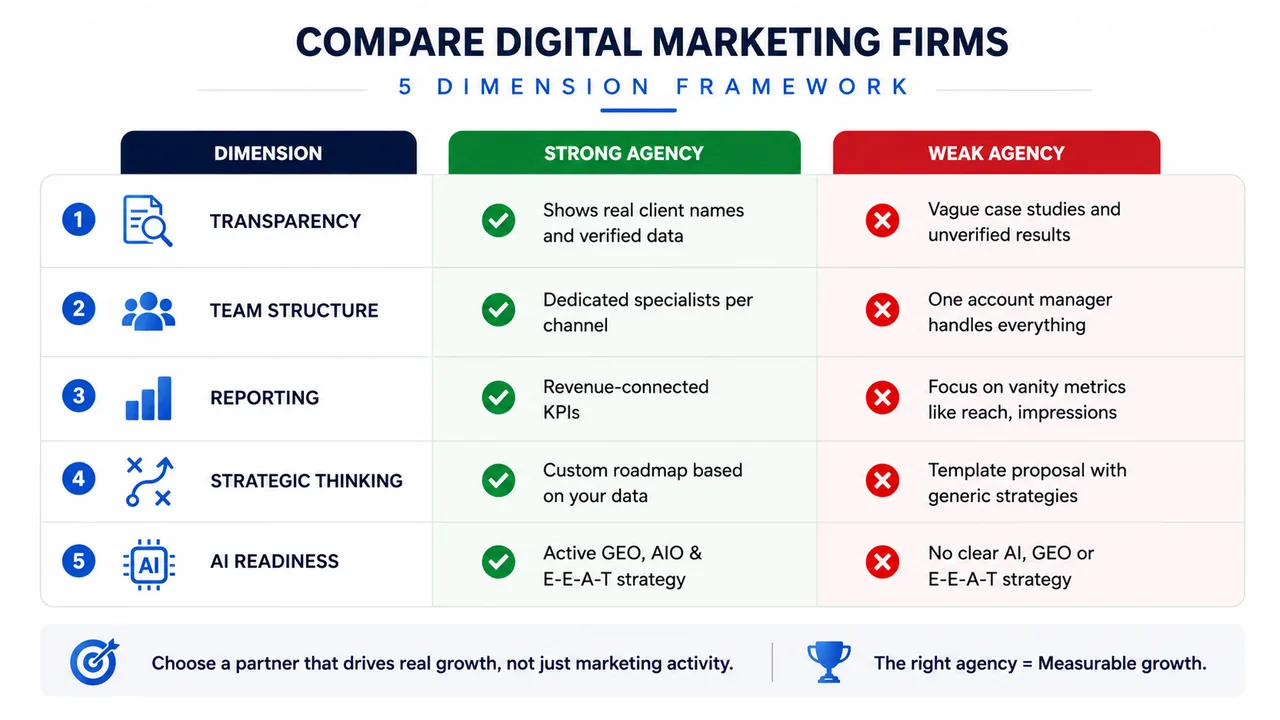
04 | What Digital Marketing Cost in India in 2026
Digital Marketing cost varies enormously across digital marketing companies in India and the variation reflects fundamentally different levels of capability, not just team size.
Freelancers and micro-agencies:
₹15,000 to ₹35,000 per month. Appropriate for single-channel work with low complexity. Coverage is typically strong in one or two areas. multi-channel coordination is difficult.
Mid-tier agencies (10–50 staff):
Rs 40,000 – Rs 1,50000 per month. Multi-channel campaigns with structured reporting. Best fit for businesses ready to scale across two or three channels simultaneously.
Full-service agencies (50+ staff, ISO-certified):
Rs 1,50,000 – Rs 10,00,000+ per month. Enterprise-grade execution across SEO, paid media, content, analytics, and AI Optimization. Appropriate for businesses where digital marketing is a primary growth lever.
The most expensive option is rarely the best. And the cheapest option almost always costs more in the long run through wasted spend, missed growth windows, and the time cost of switching Marketing partners when things don’t work. The right metric to compare is not the retainer fee it is the cost per qualified lead. each agency can realistically produce in your category.
05 | The Channels That Actually Drive Results by Business Type
Not every channel is right for every business. A D2C fashion brand and a B2B SaaS company need fundamentally different digital marketing strategies, even at identical budgets. Here’s how the channel mapping works across the most common Indian business types:
- B2B companies:
LinkedIn advertising, SEO for informational and comparison-stage keywords, email marketing, and long-form content. Long B2B sales cycles need consistent multi-touchpoint presence across a three-to-six month evaluation period.
- D2C and ecommerce:
Meta Ads, Google Shopping, Instagram organic, and email or WhatsApp automation. Speed and retargeting precision are the commercial edge in this category.
- Local service businesses:
Google Business Profile Optimization, local SEO, geo-targeted Google Ads, and customer review management. The local pack is the most valuable search real estate for businesses with a defined service area.
- Healthcare and education:
SEO and content marketing for trust-building, Google Ads for appointment and inquiry capture, WhatsApp for lead nurturing. Buyers in these categories research extensively content that appears throughout that research journey determines who they call.
- SaaS and technology:
SEO for high-intent product keywords, Google Ads for bottom-funnel terms, LinkedIn for awareness among decision-makers, and YouTube for product education and demonstration.
06 | Red Flags That Should End the Conversation
Not every best digital marketing company in India is worth your time. Some warning signs are subtle others are direct. All of them matter.
- Guaranteed first-page rankings within thirty days.
No credible agency makes this claim. Google’s algorithm cannot be gamed on that timeline for competitive terms. Anyone promising it is either uninformed or dishonest.
- No clear attribution model.
If they cannot explain how they track which channel drove which lead, they cannot optimize your budget. Attribution is the foundation of performance marketing, not a feature.
- Excessive focus on vanity metrics.
Follower growth, impressions, page views, and reach are not revenue. An agency that defaults to these numbers in reporting is obscuring what their work is actually producing.
- Refusal to share access to your own accounts.
Your ad accounts, your Analytics, your Search Console these belong to you. Any agency that won’t give you full admin access to your own data is creating dependency by design.
- No named client references available.
A digital marketing company that has delivered real results will have clients who will speak about it. If references are unavailable, ask why.
07 | Frequently Asked Questions – How to Choose Right Digital Marketing Agency
Q1. What is the difference between a digital marketing agency and a traditional advertising agency?
A traditional advertising agency works in mass media TV, print, radio, outdoor. A digital marketing agency works across search, social, email, content, and paid digital channels where every action can be measured in real time. In 2026, most traditional agencies have added digital arms, but specialist digital agencies offer significantly deeper technical capability and more granular measurement.
Q2. How long does digital marketing take to show results?
It depends entirely on the channel. SEO takes three to six months for initial ranking movement and six to twelve months to generate meaningful lead volume. Paid media can produce leads within days of launch. Content marketing compounds over six to eighteen months. Any agency promising overnight organic results is not being honest about how search works.
Q3. Should I hire an in-house team or a digital marketing agency in India?
For most businesses below Rs 10 crore in annual revenue, a full-service agency delivers better ROI than an in-house team. You get specialist coverage across SEO, paid media, content, and analytics without the recruiting overhead and knowledge gaps that come with building internal teams. In-house investment makes sense once you have enough volume to justify dedicated specialists in specific channels.
Q4. What should a digital marketing proposal actually include?
A credible proposal includes: an audit of your current position, competitor analysis, a recommended channel mix with rationale, KPI targets with timelines, a named team structure, and clear pricing tied to deliverables. Any proposal that jumps straight to services and pricing without auditing your current situation is not built on data. It's built on assumptions.
Q5. Is digital marketing effective for small businesses in India?
Often more so than for large enterprises, because small businesses move faster and benefit disproportionately from local SEO, Google Business Profile Optimization, and targeted paid campaigns. The key is channel focus: don't try to be everywhere. Start with two or three high-return channels, build confidence in the measurement, then scale.
Q6. What makes a top digital marketing agency India different from an average one?
Documented process transparency, sector-relevant experience, real results from comparable mandates, and a team with named specialists per channel. The best digital marketing companies in India are not the most aggressive in their promises. They are the most honest about timelines, the most rigorous in their reporting, and the most specific about how their work connects to your revenue.
The Right Partner Changes What Is Possible
There are thousands of digital marketing firms operating in India. A handful of them will genuinely move your business forward. The rest will generate activity, produce reports that look impressive without context, and slowly erode your confidence in digital marketing itself which is never a channel failure. It is always a partner failure.
The right digital marketing company in India builds something that compounds- organic authority growing month over month, paid campaigns improving with data, content earning AI citations and search rankings simultaneously, and reporting connecting every activity to a measurable commercial outcome.
Arihant Global has built this system for businesses across healthcare, education, real estate, FMCG, B2B services, and ecommerce since 2013 ISO 9001:2015 and ISO 27001:2022 certified, with over two thousand brand mandates behind the methodology.
The Right Digital Marketing Partner changes what is possible
2,000+ brands. 12 years. ISO 9001 & 27001 certified. If you want to see what a professional engagement looks like from day one full transparency, documented process, measurable milestones. REQUEST A FREE AUDIT
DISCLAIMER
This content is published by Arihant Global Services India Private Limited for educational / informational purposes only. It does not constitute legal, financial, or professional advice tailored to your business. Results, timelines, and outcomes vary by industry, market, competition, and budget. Any figures or case studies referenced reflect specific conditions and are not a guarantee of future performance.
What Is NLP SEO? How Natural Language Processing SEO Is Changing Search Rankings in 2026
Why the Way You Wrote Content Last Year Is Actively Costing You Rankings Right Now
If you are still obsessing over exact-match keyword density, you are optimizing for a search engine that no longer exists.
Google does not read words anymore; it mathematically maps concepts. It understands context, user intent, and the invisible relationships between different topics. This shift is entirely driven by Natural Language Processing SEO, and it is fundamentally rewriting how businesses acquire traffic in 2026.
To survive the current iteration of AI-driven search optimization, you have to transition from targeting strings of text to engineering semantic entities.
Here is the operational blueprint for structuring your content to dominate NLP-based search relevance.
What Is Natural Language Processing SEO?
Natural Language Processing SEO (NLP SEO) is the practice of optimizing digital content so that machine learning models and search algorithms can perfectly understand the contextual meaning, sentiment, and entity relationships within your text.
Instead of parsing a page to count how many times a target phrase appears, search engines use natural language understanding to convert your text into vector embeddings. This allows the algorithm to judge topical relevance based on semantic proximity meaning it knows that “budget-friendly,” “cheap,” and “affordable” all satisfy the same search intent signals without you needing to repeat them.
Quick AI Retrieval Breakdown:
- Traditional SEO: Focuses on lexical matching (does the page contain the exact query?).
- NLP SEO: Focuses on semantic indexing (does the page possess deep contextual knowledge about the core entity?).
How Google Uses NLP in Search Rankings
The evolution of AI ranking systems didn’t happen overnight. It was a calculated progression of AI ranking systems designed to mimic human comprehension.
The Role of Google BERT SEO
Introduced years ago but continuously refined, Google BERT handles query semantics. It looks at the words before and after a keyword to understand true context. For example, it knows the difference between “stand” (a piece of furniture) and “stand” (to tolerate) based entirely on the surrounding phrasing.
The Google MUM Algorithm
MUM Algoritham (Multitask Unified Model) is 1,000 times more powerful than BERT. It is multimodal, meaning it understands information across text, images, and video, while overcoming language barriers. MUM doesn’t just answer questions; it anticipates the next logical question in a user’s search behavior analysis.
AI Overviews and Generative Search
Today, these NLP models power AI Overviews and generative search optimization (GEO). When a user asks a complex question, Google relies on retrieval-based search to extract the most topically complete, factually dense passage from a recognized entity, serving it directly at the top of the SERP.
NLP SEO vs Traditional SEO
Understanding the structural difference between these two methodologies is critical for your 2026 content architecture.
- Core Focus: Traditional SEO chases search volume. NLP optimization builds topical completeness.
- On-Page Strategy: Traditional relies on H1s and title tags. Semantic search optimization relies on entity co-occurrence and topic modeling.
- Measurement: Traditional tracks keyword positions. AI content retrieval tracks information gain and passage ranking extraction.
- Links: Traditional counts inbound link volume. Entity-based SEO builds strict semantic internal linking architectures.
Entity SEO and NLP Optimization: The Knowledge Graph Connection
You cannot separate NLP SEO from entity SEO.
An “entity” is a singular, unique, well-defined thing or concept a person, a brand, a location, or an idea. Google maps these entities into its Knowledge Graph.
When we structure a semantic content strategy for clients seeking AI SEO services, we don’t just write articles. we build entity relationships. If you are a healthcare clinic in Jaipur, Google’s natural language processing needs to see strong semantic proximity between your brand name, the localized entity (Jaipur), the service entity (Orthopedic surgery), and the related medical terminology.
This requires dense, NLP-rich phrasing that naturally associates these concepts in the same paragraphs.
How to Optimize Content for Semantic Search
Writing for large language models in search requires a structural pivot. You are optimizing for AI extractability.
- Optimize for AI Overviews with Q&A Formatting
AI search engines prioritize rapid information retrieval. Place a concise, definitive answer directly beneath your H2s. Feed the LLM search optimization models the exact 40-word summary they need to cite your brand.
- Deepen Your Semantic Relevance Scoring
Cover the subtopics your competitors ignore. True topical authority SEO means answering the unasked questions. Use tools to map out contextual SEO gaps and naturally weave in related industry terminology.
- Build Semantic Relevance Chains
Connect your internal pages based on meaning, not just convenience. Your pillar page on “Digital Marketing” must systematically link to deeply specific cluster pages on “conversational search SEO,” “vector search,” and “WhatsApp API lead routing.” This proves deep topical expertise.
Common NLP SEO Mistakes
Many brands fail at AI-powered search results because they cling to outdated habits.
- Fluff and Filler: Machine learning SEO systems penalize low information density. If a paragraph doesn’t introduce a new entity, data point, or unique insight, delete it.
- Ignoring Search Intent Optimization: If Google determines a query has commercial investigation intent, and you provide a basic informational definition, your page will be entirely ignored by the embedding models, regardless of how many backlinks you have.
- Isolated Content: Publishing a standalone blog post that isn’t semantically linked to a broader topic cluster signals a lack of topical depth.
Frequently Asked Questions – NLP SEO
Q1. What exactly is NLP SEO?
Put simply, it's about making your content make sense not just to people, but to the machines reading it. NLP SEO is how you write and structure content so that Google actually understands what your page is about, who it's for, and what question it answers. No more stuffing the same keyword in fifteen times and hoping for the best. Search engines now read between the lines, and NLP SEO is how you write for that reality.
Q2. Why does NLP SEO matter more now than it did a few years ago?
Because Google stopped being a keyword-matching engine a long time ago most people just haven't caught up yet. In 2026, the search results you see are heavily shaped by AI that's trying to figure out what a searcher actually wants, not what words they typed. If your content is built around keyword frequency instead of genuine topic depth, you're essentially invisible to that system. NLP SEO is how you stop writing for 2015 and start writing for how search actually works today.
Q3. How does Google use Natural Language Processing in practice?
Think of it like this: when you type a search query, Google doesn't look for pages with those exact words. It tries to understand what you meant. It identifies the real-world things your search involves people, places, brands, concepts and figures out how they relate to each other. BERT and MUM are the two big technologies behind this. BERT was a turning point because it let Google finally understand words in context, not just in isolation. "Bank" near a river means something completely different from "bank" in a finance article, and Google now knows that.
Q4. What's the real difference between traditional SEO and NLP SEO?
Old-school SEO was a bit like a checklist. Get the keyword in the title. Get it in the H1. Mention it every hundred words. Build some links. Done. NLP SEO is less mechanical than that. The question isn't "how many times did I use my target keyword" it's "does my content actually cover this topic in a way that leaves the reader with nothing left to search for?" That shift from keyword frequency to genuine topic coverage is the core of it. Backlinks still matter, but what you're saying and how completely you're saying it matters more than it ever used to.
Q5. Will NLP SEO actually move rankings or is it just theory?
It moves rankings. When a piece of content genuinely answers the question someone asked, covers the natural follow-up questions, and sits within a site that clearly knows its subject Google notices that. It's not magic, and it doesn't happen overnight, but the pattern is consistent: content built on semantic depth and real topic authority outranks thin keyword-targeted pages over time. The brands holding the top spots in competitive categories today didn't get there by finding the right keyword. They got there by becoming the most useful source on a topic.
Q6. How does semantic SEO connect to NLP SEO are they the same thing?
They're closely related, but not identical. Semantic SEO is more of a content strategy the idea that you should cover a topic thoroughly, including all the related angles, subtopics, and questions a reader might have. NLP SEO is more about the signals that make that possible the way you use entities, structure your sentences, and give search engines the contextual cues they need to understand what your content is actually about. Think of semantic SEO as the goal and NLP SEO as a big part of how you get there.
Q7. What are entities in SEO and why should I care about them?
An entity is anything Google can pin down as a distinct, real-world thing a person, a brand, a place, a product, an event, an idea. When you mention "Jaipur" in an article about tourism, Google doesn't just see a word. It sees a city, connects it to Rajasthan, to the Amber Fort, to a whole web of related facts it already knows. Using entities naturally in your content is how you help Google place your page in the right context. It's the difference between Google seeing your page as a collection of text and actually understanding what your page is about.
Q8. Can NLP SEO get my content into Google's AI Overviews?
It definitely helps. AI Overviews pull from sources that Google already trusts pages with clear structure, direct answers, and genuine depth on a topic. There's no shortcut to get in there, and Google doesn't take submissions. What you can do is give your content the best possible shot: answer the question directly and early, use logical headings, build out the full context around your topic, and make your content genuinely more useful than what's already ranking. Pages that end up in AI Overviews tend to be the ones that cover a topic so well there's not much left to add.
The Future of NLP in Search Engines
The integration of ChatGPT search, Gemini, and conversational AI search interfaces means users are asking longer, more complex questions. They expect nuanced, synthesized answers. To remain visible, your content must evolve from providing basic definitions to offering strategic analysis, operational examples, and real-world implications. This concept known as information gain is the ultimate currency in modern search. If your content can be easily replicated by a base-level prompt in Perplexity, you will not rank.
You must provide insights that only a practitioner with hands-on experience could generate.
The era of tricking search engines with clever formatting is over. To capture high-intent traffic in 2026, you need a technically sound, semantically rich architecture that algorithms inherently trust. Mastering Natural Language Processing SEO requires more than just good writing. it requires deep entity mapping and retrieval optimization. If your current organic traffic is flatlining despite publishing regular content, your semantic structure is likely broken.
Stop Guessing. Start Structuring.
Connect with the Digital Strategy Team at Arihant Global today to explore our GEO optimization services and transform your website into a topically authoritative revenue engine.
Disclaimer
The strategies outlined in this article are based on Arihant Global’s direct experience running SEO campaigns across 2,000+ businesses since 2013. Search engine algorithms evolve continuously what works today may shift as Google, Bing, and AI platforms update their systems. We recommend pairing any strategic framework with current data from your own Search Console and analytics before making major decisions.
SEO Company in India: How to Find One That Actually Ranks You In 2026 (Not Just Bills You)
73% of Indian businesses cannot attribute a single lead to their SEO spend. This guide built on 2,000+ real mandates shows you exactly how to find an SEO company in India that ranks your business, not just reports on it.
Search engine optimization has a trust problem in India. The market is saturated with vendors who promise first-page rankings in two weeks, charge for activity rather than outcomes, and become very difficult to reach when the promised results don’t materialize. Business owners who have been through this cycle once tend to approach their second SEO engagement with a level of scepticism that is entirely justified.
This guide exists to close the information gap. It explains what professional SEO Company in India actually look like, what separates high-performing agencies from the hundreds of mediocre ones, and how to evaluate providers in a way that protects your budget before you sign anything.
Arihant Global has run SEO campaigns for over 2000+ businesses since 2013. Everything here is drawn from that experience not from generic advice about what SEO should theoretically do.
Why SEO Company in India Has Changed And Most Companies Haven’t
| Has SEO fundamentally changed in India?
Yes. Google’s Helpful Content System, Entity-based SEO, and AI Overviews have structurally changed what earns rankings in 2026. Keyword density, bulk backlinks, and thin content the tactics most SEO Agency in india still sell no longer produce competitive results. Topical authority, intent mapping, and E-E-A-T signals now determine who ranks. |
The SEO that most Indian agencies are still selling was designed for a Google that stopped existing around 2021. They are running a 2018 playbook in a 2026 search environment and charging you for the gap between what they know and what Google currently rewards.
Three structural shifts changed everything, and understanding them is the difference between choosing an SEO Company in india that compounds your growth and one that generates activity while your business stands still.
1. The Helpful Content System Is Domain-Wide, Not Page-Wide
Google’s Helpful Content System evaluates your entire domain. If your site has thin service pages stuffed with keywords, templated blog posts copying the same structure for every topic, or category pages with no unique value that signal suppresses your whole website. One weak content section drags down your best-performing pages. A real SEO expert in India in 2026 audits your entire content library, not just the pages you’re actively working on.
2. Entity-Based SEO Replaced Keyword Counting
Google no longer reads a page and counts how many times a keyword appears. It reads a page and determines whether the content genuinely covers a topic mapping entities (people, places, products, organizations, concepts) and evaluating whether the relationships between them are accurate, complete, and authoritative. A page about ‘industrial packaging suppliers India’ that doesn’t mention materials, buyer considerations, compliance standards, or industry classifications does not fully cover the entity regardless of how many times the keyword appears.
3. AI Overviews Now Sit Above Position One
For millions of Indian search queries in 2026, the first result is not a blue link it is a generative AI summary that Google synthesises from multiple sources. The content selected for AI Overviews shares specific characteristics: structured answers, clear factual claims, FAQ schema, and high E-E-A-T signals. If your content isn’t built for this layer, you are invisible in a rapidly growing portion of the search results page. Your competitor with a weaker backlink profile but better-structured content may appear above you every single day.
What Real SEO Company in India Deliver And What They Don’t
| What does a genuine SEO company in India actually deliver?
A genuine SEO company in india delivers four interconnected workstreams: technical SEO (crawl health, Core Web Vitals, schema), on-page optimization (intent-matched content architecture), link acquisition (editorial placements on relevant publications), and content strategy (topical authority mapping tied to buyer funnel stage). The keyword is ‘interconnected’ any agency delivering one in isolation produces partial, unstable results. |
1. Technical SEO – The Foundation Most Agencies Skip
Technical SEO is not a one-time setup task. It is an ongoing workstream because technical problems accumulate as websites grow new pages without canonical tags, JavaScript rendering that breaks crawl paths, third-party scripts degrading page speed, parameter-generated URLs multiplying duplicate content.
The single most common finding in Arihant Global’s site audits is crawl budget waste. Googlebot has a limited number of page requests per domain per day. If your site has thousands of filter combination URLs, empty search result pages, or outdated pagination Googlebot spends its allocation on those dead ends and never reaches your product or service pages. In competitive categories, this alone can explain why a well-written service page has never appeared on page one despite months of investment.
- Crawl budget management
- Core Web Vitals
- Indexation control
- Schema markup
2. On-Page SEO – Intent First, Keywords Second
Most Indian agencies approach on-page SEO backwards. They start with the keyword and write a page around it. The right approach starts with the searcher specifically, what they are trying to accomplish and builds the page structure to serve that intent completely.
A person searching ‘industrial packaging suppliers Delhi’ wants a shortlist to evaluate, pricing context, product range, and credibility signals. A page that opens with five paragraphs of industry history and buries the contact form at the bottom is not serving their intent regardless of keyword density. Title tags should earn the click, not just contain the keyword. H1 should confirm within three words that the searcher is in the right place. Content should be structured in the order the buyer needs information.
3. Link Building – Where the Gap Is Widest
Link building is where the distance between what agencies claim and what they actually deliver is largest in the Indian market. Directory submissions, guest posts on content farms, private blog networks these produce backlink counts that look reassuring in a report and rarely produce ranking movement. They carry ongoing penalty risk that can surface months or years later.
Real link building means earning references from websites that have genuine authority in your industry.
- For a B2B company: trade publications, procurement journals, industry associations.
- For healthcare: medical news outlets, clinical directories.
- For ecommerce: category publications, Indian consumer media.
A single relevant editorial reference from a credible publication carries more ranking signal than fifty directory links and unlike directory links, it generates referral traffic that converts.
4. AI Search Optimization and GEO
This is the layer most SEO providers in India have not yet built into their service offering and the one that will matter most over the next two years. Generative Engine Optimization involves structuring your content and brand authority so that AI-powered search surfaces Google AI Overviews, Perplexity AI, Chat GPT Search, and Google Gemini cite your website as a source in generated answers.
This requires comprehensive topical authority across your niche, structured data markup that AI crawlers can parse, a consistent entity presence in Google knowledge graphs, and E-E-A-T signals that AI retrieval systems use to evaluate source credibility. It is distinct from traditional SEO and it is growing in importance with every passing month.
The Arihant Global SEO Growth Framework – 4 Phase Execution Model
What does a structured SEO engagement look like from day one? The Arihant SEO Growth Framework runs in four phases:
Each phase has defined deliverables and measurable milestones reviewed with the client formally at the end of months one, three, and six. |
Every Arihant Global engagement follows a four-phase model built from 13+ years of managing Indian SEO campaigns across B2B, D2C, healthcare, ecommerce, and professional services. The framework is not a template the specific tactics within each phase are customized to your industry, your competitive set, and your revenue goals. The structure is fixed because the sequence matters. you cannot build authority on a technically broken site, and you cannot compound content on a foundation without a topical map.
|
Phase |
Focus | What Gets Done |
|
Phase 1. Weeks 1–4 |
Foundation |
Technical audit, crawl fix, Core Web Vitals, indexation control, GSC baseline, keyword intent map |
|
Phase 2. Weeks 5–8 |
Content architecture |
Topical authority map, pillar + cluster pages, FAQ schema, on-page optimization of priority pages |
|
Phase 3. Weeks 9–12 |
Authority signals |
Editorial link acquisition, digital PR outreach, local citation building, E-E-A-T layer implementation |
|
Phase 4. Month 3+ |
Compounding |
Content velocity increase, AI Overview optimization, geo-expansion pages, monthly revenue attribution review |
| Framework NOTE :- The compounding effect of this framework becomes measurable at month three and exponential at month twelve. SEO is not a cost it is a compounding asset. Each page that earns a ranking generates traffic without ongoing cost per click. The business that starts in month one is structurally ahead of the one that waits until ‘the time is right.’ |
AI Overview Optimization – The New Layer Most Indian Agencies Ignore
| How do you get your business cited in Google AI Overviews?
AI Overviews select content with four consistent characteristics: a direct answer in the first 40–60 words of the section, structured factual claims with cited data, FAQ Page schema markup, and strong E-E-A-T signals (named author, verified organization, external references). Content built to earn AI citations is structurally identical to content built for featured snippets the architecture works across both. |
Google AI Overviews now appear above position one for an estimated 30–40% of commercial investigation queries in India. For searches like ‘best SEO Agency in India,’ ‘how to choose a digital marketing agency India,’ and ‘SEO services India’ the buyer may read an AI-synthesized answer and never scroll to the organic results.
Being absent from AI Overviews is not a passive disadvantage. It is an active one your competitor’s brand and expertise is being presented to your prospective customer in a synthesized format before they see a single organic result. Only 22% of Indian B2B websites currently have the schema markup and content structure required to be considered for AI Overview selection. That means 78% of your potential competitors are already invisible at this layer.
What AI Overview-Ready Content Looks Like
- Opens each major section with a direct 40–60 word answer before expanding into detail mirrors how AI synthesizes responses
- Includes specific data points with attributable sources AI engines heavily favour factual, citable claims
- Uses clear, declarative sentences under 20 words on average AI extraction degrades with complex nested clauses
- Implements FAQ Page JSON-LD schema with standalone answers each FAQ answer should be citable in isolation
- Names the organization, its credentials, and its founding date entity disambiguation for Google’s Knowledge Graph
- Uses comparison tables and structured lists both have significantly higher AI extraction rates than prose paragraphs
Real SEO Agency in india vs Activity-Billing Agency Side-by-Side
This table maps the concrete differences between a genuine SEO agency in india and one that is optimized for client retention rather than client results. Use it in your next agency evaluation ask the specific question in each row and listen for which column the answer belongs to.
|
DIMENSION |
REAL SEO AGENCY |
ACTIVITY-BILLING AGENCY |
|
Onboarding |
Full technical + keyword audit in week 1 |
Proposal sent, work starts immediately |
|
Keyword strategy |
Mapped to buyer intent and revenue stage |
Highest volume terms regardless of intent |
|
Link building |
Relevant editorial placements, shown to you |
Bulk directory submissions, reported by count |
|
Reporting metrics |
Organic leads, CPL, revenue attribution |
Domain Authority, total backlinks, rankings |
|
Content approach |
Topical authority map, buyer-persona matched |
Generic blogs, same structure every topic |
|
Technical SEO |
Crawl audit, Core Web Vitals, schema, indexation |
Basic meta tags and alt text |
|
AI search readiness |
GEO, AEO, AI Overview structuring built-in |
No mention of AI search |
|
Account ownership |
All assets yours from day one in writing |
Vague on ownership when you ask |
|
Transparency |
Named team, open access to all accounts |
Senior pitch, junior execution, locked access |
Five Questions That Reveal What an SEO Company Is Actually Worth
Every SEO Company in India follows the same structure. Impressive deck. Client logos. A few case studies with headline numbers stripped of context. These five questions cut through the performance and force an honest conversation about what you will actually be buying.
- Question 1 – Show me organic traffic and lead data from a comparable client.?
- Question 2 – Who works on my account and what else do they manage.?
- Question 3 – What are your primary success metrics and how do they connect to revenue.?
- Question 4 – Walk me through your link building process and show me three recent placements.?
- Question 5 – When we end this relationship, what exactly do we own.?
What SEO Actually Costs in India in 2026 Honest Pricing Tiers
| What does SEO cost per month in India in 2026?
SME active campaigns: ₹40,000–₹80,000/month. Competitive national campaigns: ₹90,000–₹2,00,000/month. Enterprise or multi-location: ₹2,00,000+/month. Freelancer or micro-agency: ₹10,000–₹35,000/month (appropriate only for single-channel, near-zero-competition local work). The most expensive option is rarely the best. The cheapest almost always costs more in wasted spend and missed growth windows. |
- Freelancers and micro-agencies: Basic on-page work, minimal content, low-quality links. Suitable only for local businesses with near-zero online competition. Do not expect measurable results in any moderately competitive category at this level.
- Indian SME working range: Active technical SEO, regular intent-mapped content, managed link acquisition with transparent placement reporting. Monthly reporting includes organic traffic, position movement, and lead attribution.
- Competitive national campaigns: Multi-keyword cluster strategy, dedicated account team, digital PR link building, content at meaningful volume, regular senior strategy reviews. For businesses competing across multiple Indian cities or in high-competition categories.
- Enterprise and multi-location: Regional language SEO, international targeting, large-scale content programmes, complex technical SEO across thousands of pages. For businesses where digital marketing is a primary P&L lever.
One thing worth stating directly: SEO services India at ₹15,000 per month cannot produce the work that competitive rankings require. The technical auditing, content production, and link acquisition involved in ranking in a competitive category has a real labour cost floor. Below that floor, the package is designed to be sold not to deliver results. The right comparison metric is not the retainer fee. It is the cost per qualified lead each agency can realistically produce in your category.
Red Flags That Should End the Conversation
| What are the biggest red flags when evaluating an SEO company in India?
Four red flags end the conversation immediately: (1) Guaranteed page-one rankings no agency controls Google’s algorithm. (2) Link packages sold by unit count quantity guarantees mean quality is not guaranteed. (3) Reporting that shows no lead or revenue data activity without business outcomes is by design. (4) Vagueness on asset ownership if they won’t confirm in writing that your accounts belong to you, they are building dependency. |
- Guaranteed first-page rankings
- Backlink packages sold by unit count
- Reports with no lead or revenue data
- No clarity on asset ownership
E-E-A-T: The Standard That Determines Whether Google Trusts Your Business
| What is E-E-A-T and how does it affect SEO rankings in India?
E-E-A-T stands for Experience, Expertise, Authoritativeness, and Trustworthiness the quality framework Google’s Search Quality Raters use to evaluate websites. It is not a technical ranking factor with a direct on/off switch. It is the cumulative signal that determines whether Google’s systems treat your site as a credible, rankable source. For Indian businesses, the most immediate E-E-A-T wins are: named authorship, Google Business Profile completeness, ISO or industry certifications visibly displayed, and consistent NAP data across the web. |
E-E-A-T SEO is where most Indian agencies nod their heads during the pitch and then do nothing concrete. It sounds like a strategic concept. In practice, it is a set of specific, implementable signals that either exist on your site or do not.
- Experience
- Expertise
- Authoritativeness
- Trustworthiness
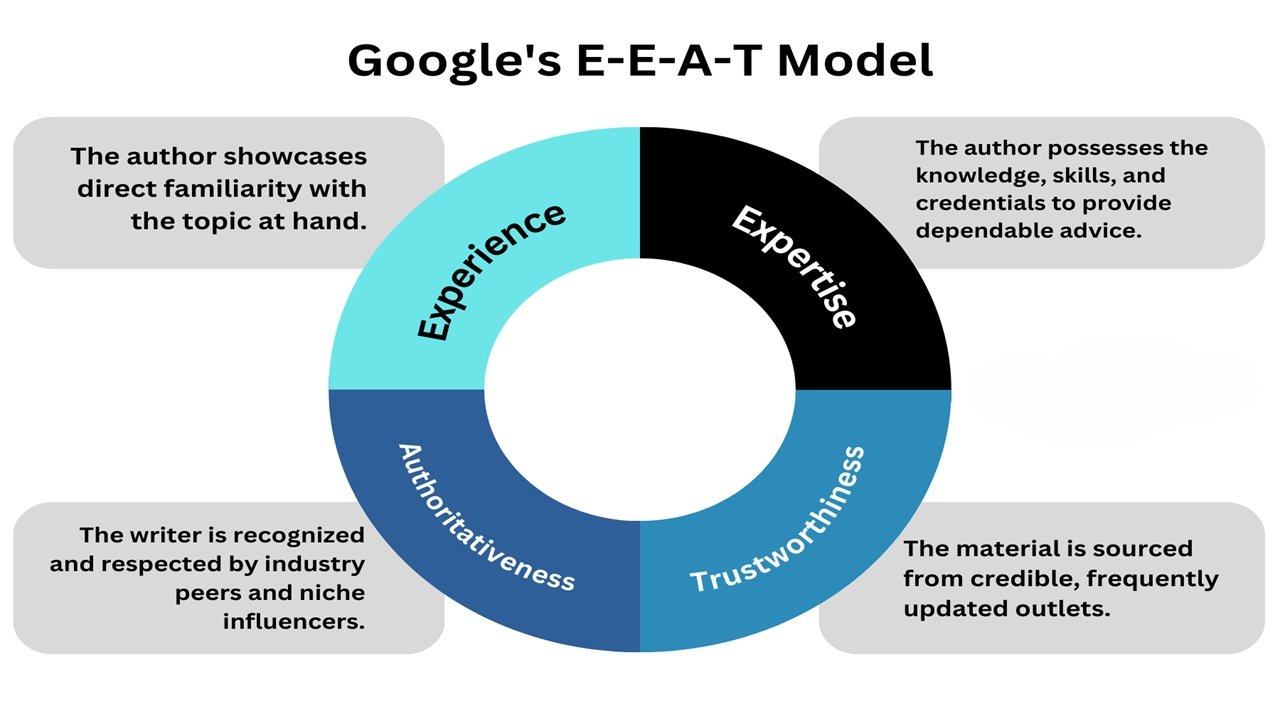
Frequently Asked Questions – SEO Company In India
SME managed campaigns run ₹40,000–₹80,000/month. Competitive national campaigns cost ₹90,000–₹2,00,000/month. Enterprise starts above ₹2,00,000/month. Freelancers charge ₹10,000–₹35,000/month but rarely have the team depth for multi-channel campaigns. Project-based audits cost ₹15,000–₹75,000 depending on site size. Low-to-mid competition terms move within 60–90 days of consistent work. Mid-competition terms show meaningful ranking gains by months 3–6. High-competition national terms take 9–18 months of sustained effort. Any provider promising page-one results in under 30 days should name the specific terms and their current competition level. Fast-ranking promises almost always mean low-volume terms. On-page SEO is everything done on your website: content quality, title tags, heading structure, page speed, schema markup, internal linking. Off-page SEO is everything done outside your website that influences Google's perception of your authority primarily editorial backlinks from relevant publications, but also brand mentions, local citations, and review signals. Both are required for competitive rankings. Neither works well without the other. Open Google Search Console. Look at organic clicks and impressions over six months is the trend moving upward? Then open Google Analytics: are those sessions converting into leads or purchases? If organic traffic is flat or declining after six months of active investment and the agency cannot explain why using Search Console data the programme needs independent examination. Reports full of Domain Authority and backlink counts without traffic and conversion data are designed to distract from results that are not there. Different tools, different timelines, different ROI profiles. Google Ads delivers traffic immediately but stops the moment you stop spending. SEO builds a traffic asset that generates returns without ongoing cost per click. Most growing Indian businesses run both paid ads for near-term revenue while SEO builds the compounding organic asset underneath. The mistake is treating them as alternatives rather than complements. Every engagement starts by mapping your keyword strategy to your actual buyer intent and your business unit economics not to keyword volume alone. Technical audits go beyond surface-level checklists. Content is written by practitioners with genuine category knowledge. Links are placed on relevant publications, and every placement is shown to you before it goes live. Monthly reports connect SEO activity to leads and revenue not to Domain Authority scores that mean nothing to your finance team. 13+ years. 2,000+ brands. ISO 9001:2015 and ISO 27001:2022 certified.
1. What does an SEO company in India charge per month in 2026?
2. How long does SEO take to show results in India?
3. What is the difference between on-page and off-page SEO?
4. How do I know if my current SEO company is actually performing?
5. Should I choose SEO or Google Ads for my Indian business?
6. What makes Arihant Global different from other SEO companies in India?
The Right SEO Company in India Changes What Is Possible
Most Indian businesses don’t have an SEO problem. They have an accountability problem. an agency reporting on metrics that can
improve every month while their pipeline stays completely still. The difference between an best seo company that compounds your growth
and one that simply invoices you is not the size of the deck or the length of the client list. It is whether every deliverable traces back to a business outcome: organic leads generated, cost per acquisition reduced, revenue attributed to search.
| Ready to Work With an SEO Company That Reports Revenue Not Rankings?
Arihant Global has run 2,000+ brand mandates across India since 2013. ISO 9001:2015 and ISO 27001:2022 certified. Every engagement starts with a full technical audit, a keyword strategy mapped to your buyer intent, and a 90-day roadmap with measurable milestones. Request a FREE SEO AUDIT no commitment required. |
Disclaimer
This article is for informational purposes only. Results in digital marketing vary by industry, budget, competition, and execution quality. No specific result is guaranteed. Platform algorithms and AI search behaviour change frequently verify recommendations before implementing. Figures cited reflect Arihant Global practitioner analysis of managed Indian SEO campaigns; individual results vary. This is not legal or financial advice. © 2026 Arihant Global Services India Private Limited.