|
Here’s the uncomfortable truth: most SEO advice circulating right now is dangerously outdated. The tactics that moved the needle in 2022 are not just irrelevant in 2026. they’re actively hurting sites that still rely on them. This guide breaks down the most damaging 15 SEO mistakes we’re seeing right now, why they’re happening, and what the fix actually looks like in practice. |
Error 1 – Publishing Content Without Matching Search Intent
This is the single biggest ranking killer right now, and it’s more nuanced than most people realize. Search intent optimization isn’t just ‘is this informational search intent or transactional search intent?’ Google has gotten remarkably precise about what stage of a decision someone is in, what format they expect, and what a satisfying result actually looks like for that specific query.
A page targeting ‘best project management tools’ needs to behave like a comparison review. Not a definition. Not a promotional landing page. When your content format doesn’t match the dominant intent pattern in the top 10 results, you’re fighting an uphill battle that no Amount of backlinks will fully overcome.
✓ THE FIXBefore writing a single word, study the top 10 SERP results for your target keyword. Look at content type (guide, list, review), content format (how-to, FAQ-heavy, data-driven), and content angle (beginner vs. advanced, recent vs. evergreen). Mirror what’s working, then out-execute on depth and originality. |
Error 2 – Treating E-E-A-T as a Checkbox Instead of a Foundation
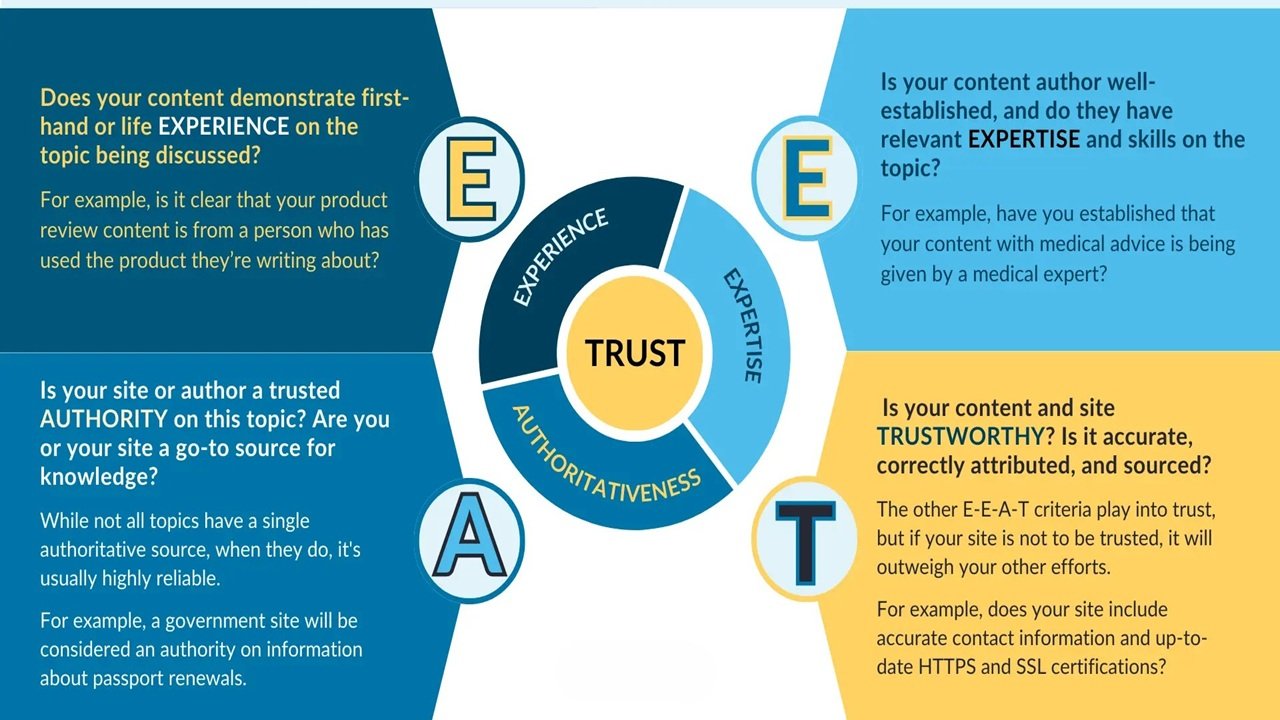
Most people know about E-E-A-T. Far fewer actually implement it properly. The ‘Experience’ component the first E is where most sites fall flat. Google added it specifically to reward expert-driven content written by people who have genuinely done the thing they’re writing about.
Slapping an author bio at the bottom of a post isn’t E-E-A-T. Real E-E-A-T looks like, screenshots from your own testing, data from your own campaigns, case studies with specific numbers, and opinions that could only come from someone who’s been in the trenches. That’s what separates content that holds rankings from content that temporarily ranks and then quietly slides.
✓ THE FIXAudit your top 10 pages. For each one, ask: what proof is here that a real expert wrote this? Add author pages with verifiable credentials, include first-hand examples and outcomes, link to supporting sources, and ensure your site has basic trust signals like HTTPS, contact information, and transparent editorial standards. |
Error 3 – Still Keyword Stuffing When Semantic SEO Is What Ranks
Google’s understanding of language has changed completely. Repeating a keyword 15 times does nothing and often triggers over-optimization penalties. What actually signals relevance in 2026 is topical depth. covering the entities, sub-concepts, related questions, and contextual language that belongs around your main topic.
Think about how Google reads content the way a subject matter expert would. A true expert writing about ‘core web vitals‘ would naturally mention LCP, INP, CLS, rendering, hydration, and real user monitoring not just the phrase ‘core web vitals‘ repeated endlessly. That contextual richness is what Semantic SEO is about.
✓ THE FIXMap out the Semantic SEO field around your topic before writing. Identify the key entities, related subtopics, questions people have at each stage of understanding, and the vocabulary domain experts use. Structure your content to cover all of it naturally not as a checklist, but as a genuinely thorough explanation. |
Error 4 – Ignoring AI Search Optimization
AI Search Overviews, Perplexity, Chat GPT with browse enabled, Gemini these are now real traffic sources, and they pull content very differently than traditional blue-link search. They reward concise, direct, well-structured answers from sources they already trust. If your content buries the answer three paragraphs deep in a slow-loading webpage with no schema markup, you’re invisible to these systems.
2026 REALITY CHECKApproximately 40% of queries now trigger an AI Overview. Five or more AI platforms are actively pulling web content. Structured, answer-first content earns citation rates roughly 3 times higher than unstructured prose. |
✓ THE FIXLead every section with a direct answer then expand. Use FAQ blocks with clear question-and-answer structure. Add proper schema markup. Write data-backed statements that AI engines can confidently cite. Think of GEO (Generative Engine Optimization) as a layer that runs alongside traditional SEO, not a replacement for it. |
Error 5 – Trying to Rank With Isolated Articles
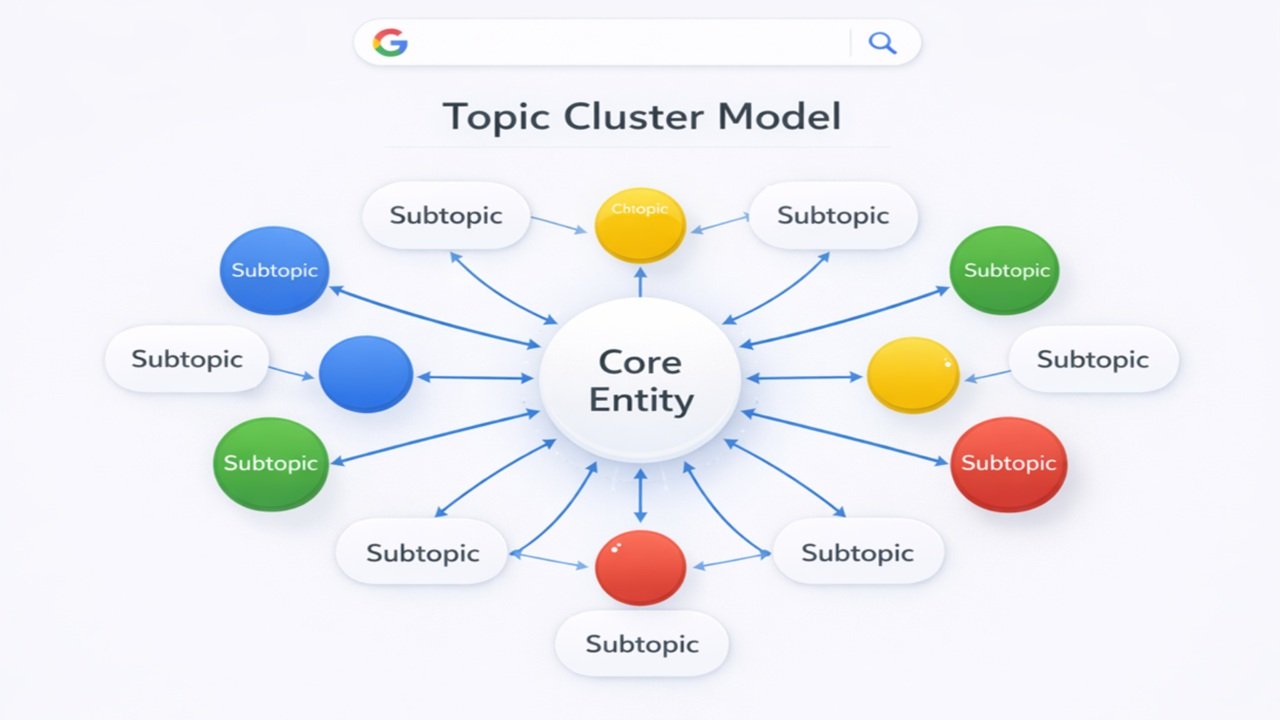
A single well-written article used to be enough to claim a keyword. That era is over. Google now rewards sites that demonstrate broad, deep, consistent expertise across an entire topic not just one piece of it. A site with 30 interconnected articles about SEO will routinely outrank a site with one ‘ultimate guide’ that covers the same keyword.
This is what topical authority SEO means in practice. It’s not just about writing volume, it’s about covering a topic from enough angles that Google recognizes your site as a genuine authority in that space.
✓ THE FIXBuild a content cluster around every core topic you want to own. Start with a pillar page that covers the broad topic, then create supporting articles for each major subtopic. Connect them with contextual internal links. For an SEO site, that pillar could be ‘SEO strategy’ with spokes covering crawlability, schema, Core Web Vitals, internal linking, and AI optimization separately. |
Error 6 – Letting Technical SEO Debt Accumulate
A beautiful, well-written Webpage that Google can’t properly crawl, render, or index will rank nowhere. Technical SEO is the foundation everything else sits on and it’s one of the most neglected areas, especially on growing sites where new content is published faster than anyone audits what’s underneath.
Duplicate content without canonical tags, orphaned pages, JavaScript-heavy architectures that block rendering, crawl depth beyond four clicks from the homepage. these issues compound over time and silently drain the authority of your entire site.
✓ THE FIXRun a proper technical audit quarterly, not just once at launch. Check your XML sitemap is current and clean, that your robots.txt isn’t accidentally blocking important pages, that duplicate URLs have canonical tags, and that your crawl depth is manageable. If your site runs heavy JavaScript, test rendering in Google Search Console’s URL inspection tool regularly. |
Error 7 – Ignoring Core Web Vitals in 2026
Core Web Vitals have been a ranking factor for a few years now, but the standards have tightened and the measurement has gotten more precise. The shift from FID to INP (Interaction to Next Paint) was significant INP is a much stricter measure of page responsiveness, and many sites that passed under the old metrics are now failing.
2026 TARGETSLCP under 2.5 seconds • INP under 200ms • CLS under 0.1. These aren’t aspirational benchmarks — sites that consistently fall outside these ranges face measurable ranking disadvantages in competitive niches. |
✓ THE FIXUse Google’s PageSpeed Insights on your actual top-performing pages — not just the homepage. Prioritize LCP by preloading your hero image and avoiding render-blocking resources. Tackle CLS by setting explicit width and height on all images and embeds. For INP, reduce JavaScript execution time on interaction events. |
Error 8 – Treating Internal Links as an Afterthought
Internal linking is probably the most underutilized lever in Search engine optimization. Most sites either ignore it entirely or add links randomly at the end of a post. Neither approach is effective. Google follows internal links to understand which pages you consider most important, how topics relate to each other, and how to distribute authority across your site.
Orphan pages those with no internal links pointing to them are essentially invisible to both Google and your readers, no matter how good the content is.
✓ THE FIXEvery new piece of content you publish should link to at least 3 to 5 relevant existing pages. Every existing page should receive at least one new contextual internal link from a related post. Use descriptive anchor text that describes the destination page’s content not generic phrases like ‘click here.’ Audit for orphan pages every six months and connect them. |
Error 9 – Not Understanding How Entity-Based SEO Works
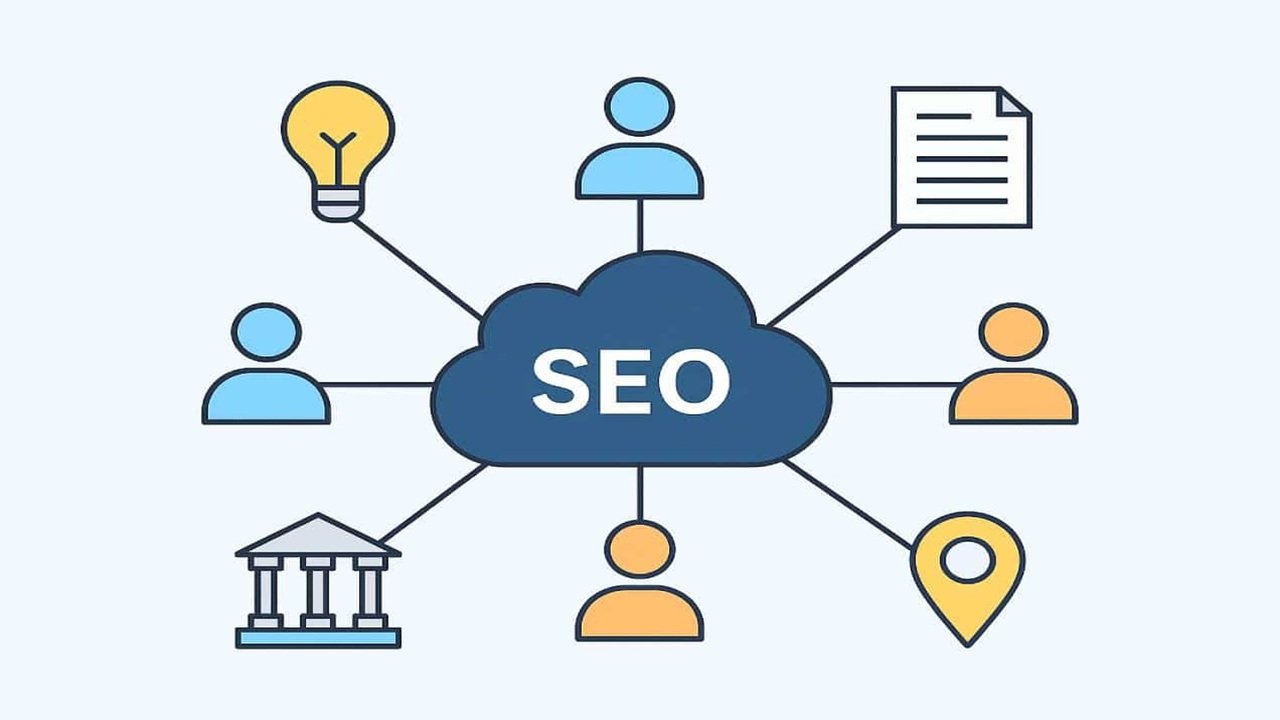
Google doesn’t just rank keywords anymore. it ranks entities and their relationships. Your brand, your authors, the topics you cover, the people you cite all of these are entities in Google Knowledge Graph. The more clearly you establish what your site is about at an entity level, the more confidently Google can rank you for relevant searches.
This is why consistent topical coverage matters so much. It’s not just about content volume, it’s about entity association. A site that writes consistently about ‘technical SEO’ becomes the entity associated with that concept in Google’s model of the web.
✓ THE FIXUse schema markup to clearly define your organization, authors, and content types. Ensure your author pages have verifiable external presence (LinkedIn, industry publications, etc.). Write consistently within your niche — entity authority comes from depth and consistency, not occasional broad coverage. |
Error 10 – Confusing Length With Depth
A 4,000-word article that says the same thing 12 different ways is not a high-quality piece of content it’s a padded one. Google has gotten remarkably good at distinguishing genuinely helpful, information-dense content from long content that’s trying to fake depth through repetition and filler.
Winning content in 2026 earns its length. It includes real examples with specific outcomes, data with proper attribution, tables that organize genuinely complex information, and insights that you can only get from actual expertise or direct experience.
✓ THE FIXBefore publishing, apply the ‘so what’ test to every paragraph. If a section doesn’t add a genuinely new piece of information or perspective, cut it. Add what’s missing: expert commentary from real practitioners, original data, specific numbered examples, and visuals that illuminate rather than decorate. |
Error 11 – Publishing Raw AI Output Without Human Expertise
Google’s position on AI content is frequently misquoted. They don’t penalize AI-assisted content. They penalize low-quality content and a lot of AI-first content happens to be exactly that generic, surface-level, factually shaky, and indistinguishable from a thousand other articles on the same topic.
The sites winning with AI-assisted content treat AI as a research assistant or first-draft tool never as the final author. The human layer is what adds the experience, the judgment, the real-world nuance, and the E-E-A-T signals that make content worth ranking.
✓ THE FIXUse AI to draft structure, generate FAQ ideas, and surface related subtopics. Then rewrite extensively with your own expertise, add your own examples and data, check every factual claim, and apply a full semantic and E-E-A-T layer before publishing. The workflow is : AI Draft → Human Expertise → Semantic Enrichment → E-E-A-T Optimization. |
Error 12 – Over-Optimizing On-Page SEO Elements
There’s a version of on-page SEO that helps and a version that hurts. Stuffing your primary keyword into the title, H1, first paragraph, every H2, the meta description, and the image alt text is no longer best practice. it’s a signal of over-optimization that can actively suppress rankings.
Natural language optimization in 2026 means your title tag should be compelling first, keyword-integrated second. Your H2s should describe what the section actually covers, not serve as keyword containers. Entity placement matters more than keyword density.
✓ THE FIXWrite your title for a human reader who’s scanning a results page. Include your primary keyword naturally usually once, near the front. Use H2s to structure genuine subtopics. Use semantic variants, synonyms, and related entities throughout the body. Let the content feel like it was written by someone who knows the topic deeply. |
Error 13 – Publishing Titles That Nobody Clicks
Your title tag is doing two jobs simultaneously satisfying Google’s relevance model and convincing a real human to click. Most SEO content is optimized for only the first job. The result is titles that rank but don’t get clicked and consistently low CTR is a signal that feeds back negatively into rankings over time.
A title like ‘SEO Guide 2026‘ is forgettable. A title like ’15 SEO Mistakes Killing Your Rankings in 2026 — And How to Fix Them’ creates curiosity, signals specificity, promises a payoff, and implies the reader has something to lose by not clicking. That difference in CTR compounds dramatically at scale.
✓ THE FIXStudy your Search Console CTR data and identify your lowest-performing titles relative to position. Rewrite them with specific numbers, a clear benefit, or a tension that creates curiosity. Test year-tagged freshness indicators, problem-framing angles, and power words that imply urgency or insider knowledge. |
Error 14 – Skipping Schema Markup Entirely
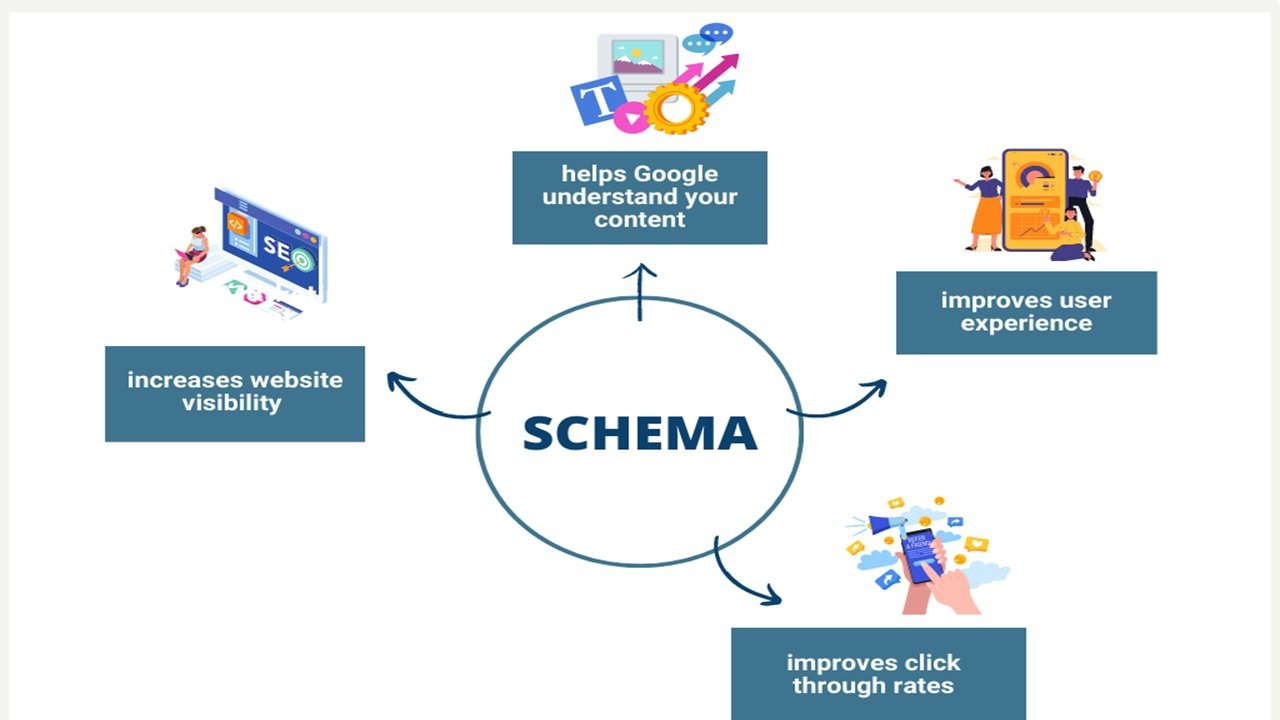
Schema markup isn’t just about rich snippets in the traditional SERP sense anymore. In 2026, schema is also how AI-powered search engines parse and categorize your content, it’s entity communication at a machine-readable level. Sites without proper schema are significantly harder for AI systems to classify and cite accurately.
At minimum, every content site should have Article, Author, Organization, Bread-crumb List, and FAQ schema markup implemented correctly across their content types. More specific schema like How To, Review, or Product adds another layer of visibility for relevant content.
✓ THE FIXStart with the foundational types Organization and Author at the site level, Article on every blog post. Add FAQ schema to any content that includes a question-and-answer section. Validate everything with Google’s Rich Results Test before deploying. |
Error 15 – Treating Search Engine Optimization as a Single-Channel Strategy
The final and arguably most strategic mistake is optimizing only for the Google blue-link SERP. In 2026, organic search visibility is distributed across Google AI Overviews, Perplexity citations, Chat GPT Browse responses, YouTube search, Reddit’s growing search presence, Bing, and more. Sites that only think about traditional keyword rankings are leaving significant traffic and brand authority on the table.
Building brand entity recognition the kind that makes Google and AI engines trust and cite you proactively requires consistent presence across multiple platforms, not just a high-ranking blog.
✓ THE FIXMap your content strategy to multiple surfaces. Repurpose strong written content into YouTube explainers, Reddit contributions, and structured FAQ content optimized for AI citation. Build your brand entity through consistent niche coverage, PR mentions, and authoritative external links. Think ‘search visibility’ more broadly than any single platform’s algorithm. |
||
THE 2026 SEO RANKING FORMULASEO Success = E-E-A-T + Semantic SEO Depth + Technical Foundation + UX Signals + Entity Authority + AI Search Optimization |
||
Frequently Asked Questions – SEO
1. What are the biggest SEO mistakes in 2026?
Honestly? Still doing what worked in 2019. People obsess over keywords but publish content that says nothing new. Thin pages, zero internal links, slow load times Google's tired of it. Rankings drop and nobody knows why. The sites winning right now actually cover topics properly and write for humans first.
2. How does semantic SEO work?
You stop thinking in keywords and start thinking in topics. If someone searches about coffee brewing, they probably also want to know about grind size, water temperature, ratios. Cover the whole subject naturally and Google figures out your page belongs in more searches than just the one phrase you targeted.
3. What is entity SEO?
Google basically has a giant web of who's who and what's what. Your brand, your authors, your niche — all of it gets connected. The more consistently you talk about your subject and the clearer your credibility signals are, the more Google starts treating your site like it actually belongs there.
4. How to optimize content for AI search?
Answer the question fast, in plain language. Don't make people scroll through your life story before getting to the point. AI tools grab content they can actually understand and verify quickly. Short paragraphs, clear headings, real facts. If your page reads like a textbook intro, it probably won't get cited.
5. What are Core Web Vitals?
Three things Google watches how fast your page loads, whether buttons actually respond when clicked, and if your layout jumps around while loading. Most people ignore these until rankings drop. Fix your hosting, compress images, cut bloated scripts. A fast stable page just works better for everyone using it.
Conclusion
Search Engine Optimization in 2026 is driven by semantic SEO relevance, real expertise, technical performance, AI search optimization, and strong user experience signals not outdated keyword tricks. Websites that align with search intent , topical authority SEO, and Semantic optimize for both Google and AI-driven search platforms will dominate rankings.
If your business needs future-ready SEO Company in Jaipur built for sustainable growth, Arihant Global can help you build stronger organic visibility and long-term Ranking.