From Zero to Hero: The Ultimate Guide to Digital Marketing Success
From Zero to Hero: The Ultimate Guide to Digital Marketing Success
Understanding Digital Marketing Basics
In the fast-paced world of digital marketing, understanding its basics is crucial to achieving success. Digital marketing encompasses a wide range of activities aimed at promoting products, services, or brands through electronic devices and digital platforms. It involves harnessing the power of the internet and various digital technologies to expand reach, engage with target audiences, and drive desired actions.
Defining Your Digital Marketing Strategy

Once you have a thorough understanding of digital marketing basics, it’s time to develop a comprehensive digital marketing strategy. A well-crafted strategy serves as a roadmap that outlines the goals you aim to achieve and the tactics you will employ to attain them. To define your digital marketing strategy, consider the following aspects:
Target Audience Segmentation: Dividing your target audience into distinct segments allows you to craft tailored marketing messages and select the most appropriate digital channels for each segment. By understanding the demographics, interests, and behaviors of your audience, you can create highly targeted and effective marketing campaigns.
Channel Selection: Choosing the right digital channels for your marketing activities is crucial. Consider your target audience’s preferences, habits, and online behaviors to determine which channels will provide the most value. A multi-channel approach that combines various platforms can help you maximize your reach and engagement.
Content Creation and Distribution: Compelling, high-quality content lies at the heart of any successful digital marketing strategy. From informative blog articles to engaging social media posts, creating valuable content that resonates with your audience is essential. Determine the types of content you will produce, develop a content calendar, and identify the best channels for content distribution.
Budget Allocation: Allocating your budget effectively across various digital marketing channels is vital. Assess the potential return on investment for each channel and prioritize accordingly. Keep in mind that flexibility and adaptability are key in digital marketing, so be open to reallocating resources based on your ongoing analytics and optimization efforts.
Digital Marketing Fundamentals
Understand the Fundamental Search Engine Optimization
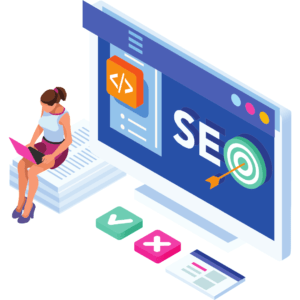
In the digital landscape, search engine optimization (SEO) plays a pivotal role in enhancing your online visibility and driving organic traffic to your website. SEO involves optimizing your website and its content to rank higher in search engine results pages (SERPs) for relevant keywords. To grasp the fundamentals of SEO, consider the following key aspects:
Keyword Research: Identify the keywords and phrases that your target audience is using to search for products, services, or information related to your industry. Utilize keyword research tools and techniques to uncover high-volume, low-competition keywords that can improve your website’s search rankings.
On-page Optimization: Optimize your web pages by incorporating relevant keywords into titles, headings, meta descriptions, and body content. Ensure your website has a clear site structure, easy navigation, and logical URL naming conventions to facilitate search engine crawlers’ understanding of your content.
Technical SEO: Address technical aspects of your website, such as page load speed, mobile responsiveness, and crawlability, to improve search engine rankings. Implementing structured data markups, optimizing XML sitemaps, and utilizing canonical tags are also crucial for technical SEO success.
Link Building: Acquire high-quality backlinks from reputable websites to enhance your website’s authority and referral traffic. Focus on building natural and relevant links through content collaborations, guest blogging, and influencer partnerships within your industry.
Importance of Pay-Per-Click (PPC) Advertising
While organic search traffic is invaluable, pay-per-click (PPC) advertising offers a powerful and highly targeted way to reach your audience and drive immediate results. PPC advertising involves placing ads in search engine results or on other websites, and you pay only when a user clicks on your ad. Here’s why PPC advertising is essential:
Targeted Advertising: With PPC, you can precisely target your audience based on their demographics, interests, search queries, and online behaviors.
Immediate Results: Unlike organic search efforts, PPC advertising provides instant visibility, driving immediate traffic and potential customers to your website. This can be particularly beneficial when launching a new product, running limited-time offers, or aiming to quickly boost sales.
Measurable ROI: PPC platforms, such as Google Ads, offer a wealth of data and analytics to track and measure the performance of your ad campaigns. This allows you to calculate your return on investment (ROI), make data-driven decisions, and continuously optimize your campaigns for better results.
Budget Control: PPC advertising offers flexibility in terms of budget allocation. You can set a daily or monthly budget, making it suitable for businesses of all sizes. Additionally, you can adjust your bids and budget based on the performance of your ads, ensuring you maximize your ad spend.
Social Media Marketing

In today’s digital landscape, social media marketing has become an indispensable component of any successful digital marketing strategy. Here’s why social media marketing is crucial:
Brand Exposure and Reach: Social media platforms provide an opportunity to showcase your brand and reach a wide audience globally. By crafting engaging profiles and producing quality content, you can expand your brand’s exposure, capture attention, and attract potential customers.
Audience Engagement and Interaction: Social media allows for two-way communication, enabling businesses to interact directly with their audience. Engaging with customers through comments, direct messaging, and live chats helps foster personal connections and build trust.
Targeted Advertising: Social media platforms offer sophisticated targeting options, allowing you to allocate your ad budget towards reaching your ideal customers.
Influencer Partnerships: Collaborating with influential individuals on social media who have large followings within your target audience can greatly increase brand awareness and credibility. By leveraging their influence, you can tap into their established trust and reach, expanding your brand’s visibility.
Email Marketing

Despite the rise of various digital marketing techniques, email marketing remains an effective and essential tool for nurturing relationships with your audience and driving conversions. Here’s why email marketing deserves a prominent place in your digital marketing strategy:
Direct and Personalized Communication: Email marketing allows you to reach your audience directly in their personal inboxes. Craft personalized and targeted messages based on user preferences, demographics, and behavior to enhance engagem
ent and build trust.
Automated Campaigns: Automation tools enable you to create and schedule email campaigns based on specific triggers or actions, such as email sign-ups, abandoned carts, or birthdays. Automated emails consistently provide relevant content, ensuring regular communication with your subscribers.
Segmentation and Personalization: By segmenting your email list based on various criteria, such as demographics, purchase history, or engagement, you can tailor your content and offers to specific groups. This level of personalization enhances the effectiveness of your email campaigns and improves overall engagement rates.
Metrics and Analysis: Robust email marketing platforms provide valuable insights into the performance of your campaigns. Measure metrics like open rates, click-through rates (CTR), and conversion rates to continuously refine your strategies and improve ROI.
Content Marketing and Blogging

In the digital age, content is king. Content marketing, which revolves around creating and distributing valuable and relevant content, is an effective strategy to engage your audience, build credibility, and drive conversions. Blogging, in particular, serves as a powerful content marketing tool. Here’s why content marketing and blogging are essential:
Establishing Thought Leadership: By consistently producing high-quality, informative content, you position yourself as an industry expert. Sharing valuable insights, analysis, and opinions through blog articles helps build trust, credibility, and a loyal audience.
Boosting Organic Traffic: Valuable and optimized blog content acts as a magnet, attracting organic traffic from search engines. By targeting relevant keywords and providing solutions to users’ queries, blog articles can rank higher in search engine results, driving free and targeted traffic to your website.
Engaging and Nurturing Audience: Blogging enables you to connect and engage with your audience by providing them with relevant and valuable content. Encourage discussion, comments, and social sharing to foster audience interaction and nurture long-term relationships.
Fueling Social Media and Email Marketing: Blog content serves as a rich source of material for your social media and email marketing efforts. Distribute snippets, teasers, or excerpts of your blog articles through these channels, driving traffic back to your website and expanding your reach.
Influencer Marketing
In an era where people trust recommendations from individuals they admire, influencer marketing has emerged as a powerful strategy to amplify your brand’s reach and credibility. Influencer marketing involves collaborating with influential individuals who have established trust and authority within your target audience. Here’s why influencer marketing should be part of your digital marketing arsenal:
Increased Brand Visibility: Influencers can expose your brand to a wider audience that shares similar interests and demographics. By leveraging their established followings, you can tap into new markets and gain exposure that may have been challenging otherwise.
Authenticity and Trust: Influencers build a strong relationship with their audiences by consistently providing valuable content. When an influencer endorses your brand, their audience is more likely to trust and engage with your products or services, resulting in higher conversion rates.
Diverse Content Creation: Collaborating with influencers opens the door to fresh and diverse content. Influencers bring their unique styles, perspectives, and approaches, injecting creativity into your brand’s narrative. This variation keeps your content engaging and resonates with diverse audience segments.
Boosting Social Media Presence: Influencers excel in leveraging social media platforms where they hold influence. Partnering with influencers allows you to gain traction on these platforms, increasing your brand’s visibility, engagement, and following.
Analytics and Data Interpretation

No digital marketing strategy is complete without analytics and data interpretation. By tracking, analyzing, and interpreting data, you can gain invaluable insights into the performance of your marketing activities. Here’s why analytics and data interpretation are crucial:
Data-Driven Decision Making: Analytics provide concrete, evidence-based insights that guide decision-making. By understanding user behavior, preferences, and interactions with your brand, you can optimize your marketing campaigns, content, and user experience to maximize your ROI.
Measuring Key Performance Indicators: By defining relevant key performance indicators (KPIs) aligned with your goals, you can track the success of your digital marketing efforts. Metrics such as website traffic, conversion rates, bounce rates, or social media engagement offer tangible indicators of performance.
Identifying Customer Segments: Analytics allow you to segment your audience based on their behavior, demographics, or interactions with your brand. This helps you better understand different customer segments and tailor your marketing approaches to meet their specific needs and preferences.
Identifying Trends and Opportunities: Mining data for patterns and trends enables you to identify areas of growth and new opportunities. By analyzing user behavior, market trends, and competitor insights, you can adapt your strategies and stay one step ahead of the competition.
Continuous Optimization and Adaptation
In the ever-evolving digital landscape, continuous optimization and adaptation are imperative for staying ahead of the curve. Maintain a proactive approach to improve your digital marketing strategies by considering the following:
A/B Testing: Experimentation is key to optimization. Conduct A/B tests to compare the performance of different variations of your landing pages, ad copy, email subject lines, or call-to-action buttons. Analyze the results and implement the most successful elements to enhance your marketing efforts.
Conversion Rate Optimization: Continuously analyze and optimize your conversion funnel to maximize each step’s effectiveness. Identify potential friction points, simplify workflows, improve user experience, and implement persuasive techniques to increase conversion rates.
Keeping up with Industry Trends: Stay informed about the latest trends, techniques, and innovations in the digital marketing industry. Regularly invest time in research, attending industry conferences, and reading reputable marketing publications to gain fresh perspectives and stay ahead of the competition.
Case Studies of Digital Marketing Success
Examining case studies of digital marketing success stories provides valuable insights and inspiration for your own strategies. Here are a few notable examples to illustrate the effectiveness of digital marketing:
Airbnb’s Story: With the goal of connecting travelers with unique accommodation options, Airbnb utilized digital marketing strategies such as SEO, content marketing, and social media advertising. By targeting travel enthusiasts and leveraging user-generated content, Airbnb grew from an obscure startup to a global powerhouse.
Dollar Shave Club: Dollar Shave Club disrupted the shaving industry by leveraging viral videos and social media advertising. Their humorous and relatable content resonated with their target audience, leading to rapid growth and eventual acquisition by Unilever.
Coca-Cola’s “Share a Coke” Campaign: Coca-Cola launched a highly successful camp
aign by printing individual names on their soda bottles. This engaged customers on a personal level, prompting them to share their experiences on social media, thus creating widespread brand buzz.
These case studies demonstrate the power of creative and well-executed digital marketing strategies in achieving remarkable success.
Conclusion
Thanks to digital marketing, businesses have countless options to connect with their target audience. By understanding the basics, defining a solid strategy, and leveraging various digital channels, businesses can drive desired actions, build brand awareness, and ultimately achieve success in the digital realm. Remember to continuously analyze and optimize your efforts, staying flexible and adaptive in the ever-evolving digital landscape.

Exploring the Depths of Digital Marketing: Depths Investigation
Exploring the Depths of Digital Marketing: Depths Investigation
Introduction
In today’s fast-paced and technology-driven world, digital marketing has emerged as a key driver of success for businesses. With the Internet becoming an integral part of our lives, understanding and harnessing the power of digital marketing has become more important than ever. This article takes a deep dive into the realm of digital marketing, uncovering its true potential and the key components that make it work.
Definition and Significance of Digital Marketing
Digital marketing is the practise of promoting goods, services, or brands through digital platforms including technologies. It encompasses a wide range of activities, including website optimization, search engine marketing, social media marketing, content creation, and email marketing. With the increasing number of internet users worldwide, digital marketing provides businesses with a powerful platform to reach their target audience and drive revenue growth. Its significance lies in its ability to precisely target, measure, and optimize marketing efforts, resulting in increased brand visibility and customer engagement.
Evolution of Digital Marketing Over Time
Since its inception, digital marketing has advanced significantly. In the early days, it primarily revolved around static websites and basic email campaigns. However, as technology advanced and online platforms multiplied, digital marketing expanded to adapt to the changing landscape. Today, it incorporates cutting-edge techniques such as artificial intelligence, machine learning, and data analytics to deliver personalized and highly targeted marketing messages. The evolution of digital marketing can be attributed to the constant innovation and continuous improvement in technology, enabling businesses to effectively reach and engage with their audience like never before.
Importance of Understanding its Potential
To fully leverage the power of digital marketing, it is crucial for businesses to understand its potential. By harnessing digital marketing techniques, businesses can enhance their online presence, attract qualified leads, and ultimately drive conversions. Moreover, understanding digital marketing helps businesses stay ahead of the competition by identifying emerging trends and leveraging them to gain a competitive edge. By investing time and resources in understanding the potential of digital marketing, businesses can unlock limitless opportunities for growth and success in the digital realm.
Key Components of Digital Marketing
1. Search Engine Optimization (SEO)
Search engine optimization (SEO) is crucial to digital marketing. By optimizing a website’s content, structure, and technical aspects, businesses can improve their organic search visibility and attract more relevant traffic. Key SEO techniques include keyword research, on-page optimization, backlink building, and user experience optimization.
2. Pay-Per-Click (PPC) Advertising
Pay-Per-Click (PPC) advertising offers businesses an effective way to drive targeted traffic to their websites. By bidding on keywords relevant to their product or service, businesses can display ads on search engine results pages and pay only when a user clicks on their ad. PPC advertising platforms like Google Ads provide advanced targeting options and data analysis tools to optimize campaign performance.
3. Social Media Marketing
Social media platforms have become an integral part of people’s lives, making social media marketing a vital component of digital marketing. By creating compelling and shareable content, engaging with their audience, and leveraging paid advertising options, businesses can build brand awareness, foster relationships, and generate leads through platforms like Facebook, Instagram, Twitter, and LinkedIn.
4. Content Marketing
By creating and disseminating useful, timely, and consistent content, content marketing aims to attract and retain a target audience. Through blog articles, videos, infographics, and eBooks, businesses can showcase their expertise, educate their target audience, and establish themselves as thought leaders. High-quality content increases search engine rankings, so content marketing is essential for SEO.
5. Email Marketing
In digital marketing, email marketing is still effective. By capturing leads through website opt-ins and delivering personalized and targeted messages to their subscriber base, businesses can nurture relationships, promote products or services, and drive conversions. Email marketing automation platforms enable businesses to streamline their email campaigns and segment their audience for better results.
Techniques for Improving Organic Search Visibility
To improve organic search visibility, businesses can implement the following techniques:
- Find relevant and effective keywords by conducting a thorough keyword study.
- Optimize on-page elements such as meta tags, headings, and image alt tags for targeted keywords.
- Create high-quality and engaging content that aligns with user intent and incorporates relevant keywords naturally.
- Build a solid backlink profile by acquiring high-quality backlinks from reputable websites in the same industry.
- Enhance website performance and user experience by optimizing page load speed, mobile responsiveness, and website navigation.
Exploring the Potential of Digital Marketing
Digital marketing offers endless possibilities for businesses seeking to expand their reach and connect with their target audience. Some of the potential benefits include:
- Increased brand visibility and recognition through targeted marketing efforts.
- Precise audience targeting, allowing businesses to reach those most likely to be interested in their products or services.
- Improved customer engagement and interaction through personalized and tailored marketing messages.
- Enhanced customer data and insights through analytics and tracking tools, enabling businesses to make data-driven marketing decisions.
- Marketing techniques that are less expensive than conventional advertising techniques.
- Real-time monitoring and optimization of campaigns to maximize effectiveness and return on investment.
Navigating Challenges in Digital Marketing
While digital marketing presents immense opportunities, businesses should also be aware of the challenges that can arise. Some of these challenges include:
- Keeping up with rapidly evolving technologies and digital marketing trends.
- Managing the complexity of multiple digital marketing channels and platforms.
- Overcoming information overload and ensuring relevant and valuable content stands out.
- Balancing the need for data privacy and protection with personalization and targeting.
- Adapting to algorithm updates and changing search engine optimization guidelines.
Case Studies: Successful Digital Marketing Campaigns
To truly understand the power of digital marketing, examining successful campaigns can provide valuable insights. Two notable case studies include:
- Dollar Shave Club: This subscription-based razor company gained widespread recognition through a viral video campaign. By creating a humorous and relatable video and optimizing it for
sharing on social media platforms, Dollar Shave Club successfully attracted millions of views and acquired a massive customer base. - Nike: With its “Just Do It” campaign, Nike focused on empowering individuals and promoting an active lifestyle. Through strategic storytelling and influencer partnerships, Nike effectively connected with its target audience and generated massive brand loyalty and engagement.
Conclusion
Digital marketing represents a vast and ever-evolving landscape of opportunities for businesses. By understanding its potential, embracing key components, and implementing effective strategies, businesses can unlock limitless potential and achieve remarkable success in the digital realm. Constantly exploring and adapting to the depths of digital marketing will enable businesses to navigate challenges, drive growth, and connect with their target audience like never before.

Mastering Digital Marketing Field: Expert Tips and Strategies Revealed
Mastering Digital Marketing Field: Expert Tips and Strategies Revealed
Introduction
In today’s business world, digital marketing is a key factor that determines success. With the help of this powerful tool, you can reach your target audience at scale, increase brand awareness, and drive sales. While there are many factors to consider when it comes to digital marketing, one crucial aspect to keep in mind is the importance of customer experience.
By understanding how consumers interact with your products and services, you can create an engaging digital experience that encourages repeat purchases and builds strong relationships with customers. In this article, we’ll explore some of the most effective online tools for improving your overall digital strategy, including search engine optimization (SEO), pay-per-click advertising (PPC), social media marketing, content creation, and more. Let’s dive in!
Develop A Content Strategy For Your Company – A Successful Method To Boost SEO
The practice of optimizing websites and content for search engines is known as search engine optimization (SEO). This incorporates a number of strategies, including keyword research, on-page optimization, and meta tags, which can all be combined to increase the visibility and relevancy of your website. You can also improve your site’s ranking by producing high-quality content that uses pertinent keywords and long-tail phrases. Along with these technological considerations, it’s critical to provide captivating images and videos that will help people remember your page.
To improve page rankings and reach more users, use SEO tools and key ranking factors.
Along with ensuring that your pages appear naturally, you need also pay attention to other SEO elements like backlinks. These refer to the domain authority of other websites, which reflects their Google credibility and increases their potential to appear higher in SERP results. Multiple sources of high-quality backlinks, such as websites, social media profiles, and blog articles, should be considered. You can increase your marketability and believability by utilising them well.
Take Paid Advertising Techniques into Account – One of the most affordable ways to increase visibility at scale is through pay-per-click marketing.
One well-liked strategy for making money from search engine rankings is paid advertising. PPC can be used in a variety of ways to increase the visibility of your website, including banners, sponsored links, display adverts, and product listings. Google Ads, Facebook Ads, Instagram Ads, and Ad Words are a few famous platforms. As always, your goal should be to maximize conversions by making your ads as prominent as possible.
Conduct Competitor Research To Understand How Customers Interact With Other Brands
Competitor research is crucial for determining what works best when it comes to marketing campaigns. You want to understand how your competitors are positioning themselves, what they’re doing well, and why they’re successful in their specific niches. This information can help inform your own advertising efforts in order to stay competitive. Additionally, you could use competitor analysis to see where you might need to refine your approach to marketing strategies to better reach your desired audience.
To ensure that all efforts are successful, use data analytics.
Data analytics is crucial since it enables you to pinpoint areas that may be improved upon to raise conversion rates and save expenses. Analyzing data sets, comparing metrics, and observing user activity are all included in this. With the use of this information, you can then modify your content such that it appeals to users who have similar needs, hence improving engagement and conversion rates. Additionally, data can be used to reveal insights into consumer behavior, enabling you to create more specialized messaging for each demographic group.
Implement Social Media Platforms To Build Brand Awareness Globally
Social media has become a vital element in modern businesses’ digital marketing strategies, providing numerous opportunities for businesses to connect with their audiences and engage with them. From regular updates on company news to influencer collaborations, social media has become a useful resource for marketers who seek to grow their brands and establish connections. However, it’s not all about posting once a day; instead, you need to integrate strategies like video content and live streaming to ensure that your audience is engaged with your brand consistently.
Before putting new concepts into practice, test them with actual users.
Any digital marketing project should include testing new concepts, but it’s imperative to avoid doing so while making future plans. Instead, before starting your campaign, take the time to investigate your target demographic and create a strategy. By doing this, you’ll be able to test out fresh approaches and get encouraging feedback from your target audience. Testing ought to wait until the viability of making such changes has been determined.
Take Advantage Of Interactive Features On Online Channels
Interactive features, such as quizzes, polls, surveys, and contests, play an increasingly prominent role in digital marketing and have been proven to yield fruitful results. Whether you post informative content or offer interactive experiences, make sure to incorporate these elements into your strategy to gain greater insight into how your customers feel about your brand.
Focus On Quality Over Quantity – Building Trust Through Transparency
If you want your brand to succeed, you must first demonstrate transparency. This means putting forth effort to build public trust, rather than just focusing strictly on volume. Make sure that you provide accurate information, avoid misleading claims, and promote integrity in all your interactions. Providing timely and up-to-date reports, as well as offering ongoing support and guidance, can go a long way towards building trust.
Utilize Multi-channel Campaigns Across Multiple Devices And Applications To Increase Relevancy
Another area of digital marketing that continues to attract interest and investment is multi-channel campaigns. These involve leveraging various channels to reach a larger audience and build stronger relationships with current customers. Multi-channel campaigns can be especially beneficial if you want to expand your reach beyond traditional marketing methods and into new markets and channels. By incorporating these types of campaigns into your marketing mix, you can maximize the effectiveness of your digital marketing efforts and reach a wider range of potential clients.
Conclusion
So, as we draw the curtain on these expert insights and strategies, remember that the pixels and code are but tools, and the true magic lies in the hands and minds that wield them. The journey of a digital marketer is one of perpetual learning, adaptation, and the unwavering pursuit of mastery. Armed with the revelations shared here, go forth and paint the digital canvas with the vibrant strokes of innovation, the wisdom of experience, and the unyielding passion that defines a true digital marketing expert.

Digital Marketing’s Potential: A Game-Changer for Businesses
Digital Marketing’s Potential: A Game-Changer for Businesses
Introduction to Digital Marketing
The present era’s approach to corporate promotion has been completely transformed by digital marketing. It encompasses various strategies and techniques to effectively reach target audiences through digital channels. In this digital age, it has become essential for businesses to understand the power of digital marketing and leverage it to drive growth and success.
A. What is Digital Marketing?
Digital marketing refers to the utilization of digital platforms, such as websites, social media, search engines, and email, to connect with potential customers and promote products or services. It involves leveraging online channels to engage and influence target audiences, ultimately driving conversions and revenue.
B. Evolution and Growing Importance of Digital Marketing
In recent years, digital marketing has experienced exponential growth and has become an integral part of marketing strategies across industries. This evolution can be attributed to the increasing usage of the internet, smartphones, and other digital devices. With more people spending a significant amount of time online, businesses are recognizing the need to establish a strong digital presence to effectively compete in the market.
C. Benefits of Digital Marketing for Businesses
Digital marketing offers a plethora of benefits for businesses, regardless of their size or industry. Firstly, it provides a cost-effective alternative to traditional marketing methods, allowing businesses to reach a wider audience at a fraction of the cost. Additionally, digital marketing enables businesses to measure and track their campaigns performance in real-time, providing valuable insights for optimization. Moreover, it facilitates targeted advertising, allowing businesses to reach specific demographics and tailor their messaging accordingly.
Understanding the Digital Landscape
To effectively leverage digital marketing, businesses must have a comprehensive understanding of the digital landscape and how it influences consumer behavior.
A. The Internet’s Impact on Consumer Behavior
The advent of the internet has significantly transformed consumer behavior. With access to an abundance of information at their fingertips, consumers now conduct thorough research before making purchasing decisions. They rely on online reviews, testimonials, and social media recommendations to inform their choices. As a result, businesses need to establish a strong online presence and actively engage with their target audience to gain credibility and trust.
B. Key Digital Marketing Channels
Digital marketing encompasses various channels that businesses can utilize to engage with their target audience. Search engine optimisation (SEO), social media marketing, content marketing, email marketing, and paid advertising are some of these channels. Each channel offers unique opportunities and requires tailored strategies to effectively reach and resonate with the intended audience.
C. The Role of Mobile Marketing
With the significant increase in smartphone usage, mobile marketing has become a vital aspect of any digital marketing strategy. Mobile optimization ensures that businesses can effectively reach and engage with users who primarily access the internet through their mobile devices. Whether it’s through mobile-friendly websites, responsive design, or mobile applications, businesses must prioritize mobile marketing to maximize their reach and generate conversions.
How Businesses Can Leverage Digital Marketing for Growth
To harness the full potential of digital marketing, businesses must develop a well-defined digital marketing strategy tailored to their specific goals and target audience.
A. Developing a Digital Marketing Strategy
The first step in utilizing digital marketing for growth is defining clear goals and objectives. These objectives might include raising brand recognition, generating leads, boosting online sales, or enhancing client loyalty. Once the goals are established, businesses can identify the
target audience they need to connect with and convert.
B. Identifying Target Audience
Knowing the target audience is crucial for effective digital marketing. Identifying their demographics, interests, and online behaviors allows businesses to craft personalized campaigns and messages that resonate with their potential customers. Thorough market research and data analysis contribute to a deep understanding of the target audience, enabling businesses to refine their digital marketing strategies.
C. Choosing the Right Channels
It’s crucial to choose the right digital marketing channels to reach the target market. Depending on the nature of the business and the preferences of the target audience, businesses should allocate resources to channels that offer the greatest potential for engagement and conversion. For instance, an e-commerce platform may benefit significantly from focusing on SEO and paid advertising, while a fashion brand may find success on social media platforms like Instagram and Pinterest.
Implementing Effective SEO Strategies
Search engine optimization (SEO) plays a vital role in driving organic traffic to a website and improving its visibility in search engine results pages (SERPs).
A. Understanding the Importance of SEO
SEO is the process of optimizing a website’s structure and content to improve its ranking in search engine results. By ensuring that a website is well-optimized according to search engine algorithms, businesses can increase their online visibility, attract more organic traffic, and
ultimately boost conversions.
B. Keyword Research and Analysis
One of the core components of SEO is keyword research and analysis. This entails figuring out the pertinent terms and phrases that prospective clients use to look for goods and services. By incorporating these keywords strategically throughout the website’s content, businesses can
effectively align their offerings with user intent and enhance their chances of appearing in relevant search results.
C. On-Page Optimization Techniques
On-page optimization refers to the optimization of individual web pages to improve their search engine rankings and organic traffic. Various on-page components, including headings, meta tags, URLs, and internal linking structures, must be optimized. By adhering to on-page optimization best practices, businesses can enhance the user experience, increase the website’s relevance to search engines, and improve its overall visibility.
D. Off-Page Optimization Strategies
Enhancing a website’s visibility and reputation off of its own pages is the aim of off-page optimization. This includes building high-quality backlinks from reputable websites, engaging in guest blogging, and actively participating in industry-specific online communities. These activities not only enhance the website’s authority and credibility but also help drive targeted traffic and improve search engine rankings.
E. Monitoring and Measuring SEO Success
To ensure ongoing success with SEO efforts, it is essential to monitor and measure the impact of implemented strategies. Businesses may monitor important data like organic traffic, keyword rankings, bounce rates, and conversion rates by using analytics software. This data provides valuable insights into the effectiveness of SEO tactics and helps businesses refine their strategies for optimal results.
Harnessing the Power of PPC Advertising
Pay-per-click (PPC) advertising is a digital marketing strategy that allows businesses to drive targeted traffic to their websites by placing ads on search engines or other websites. PPC campaigns operate on a bidding system, where businesses bid for ad placements based on
keywords and target demographics. When users click on these ads, businesses pay a certain amount for each click. PPC advertising offers several advantages, including immediate visibility, better control over ad targeting, and the ability to track and measure ROI effectively.
Conclusion
Digital marketing has emerged as a game-changer for businesses in the current digital landscape. By understanding the fundamentals of digital marketing, businesses can embark on a journey of growth and success. From developing a well-defined digital marketing strategy to implementing effective SEO techniques and harnessing the power of PPC advertising, businesses can leverage digital marketing to connect with their target audience, drive engagement, and achieve their goals. Embracing the power of digital marketing has become imperative for businesses to thrive and remain competitive in the modern business arena.


Digital Marketing for Photographers: Get the Perfect Shot
Digital Marketing for Photographers: Get the Perfect Shot
Digital Marketing for Photographers: For photographers who want to reach a wider clientele, boost revenue, and expand their business, marketing is essential, and thus is Digital Marketing for Photographers. Photographers may market their work and establish a strong, recognisable brand using a variety of digital marketing strategies, such as email marketing, social media marketing, SEO, and website optimisation. Lets learn more about Digital Marketing for Photographers and how it can benefit.
How to do Digital Marketing for Photographers
We’ve put up a guide with 10 techniques of Digital Marketing for Photographers to help you get your work out there, whether you’re an established photographer or just getting started. Let’s move quickly!
1. Identify Your Target Market
It is the first step in Digital Marketing for Photographers. A wise place to start when promoting your photographs is by determining your niche. By determining your target market, you may create concepts that will appeal to a specific clientele and modify your approach to keep them interested.
For instance, if your area of expertise is food photography, you should concentrate on pursuing clients that are cafés, restaurants, culinary publications, blogs, or any other company that would want high-quality photos related to food and beverages.
Think about big enterprises, little and local firms, and even individual customers. Additionally, you can divide your audience into more precise categories based on:
- Location
- Specialization
- Income
- Interests
There is no one way to classify your niche because it all relies on your goals, experience, and skill set. It can be simpler to recognise and define your target audience with the use of online resources like Google Analytics, Instagram, and Facebook Business Page Insights.
2. Establish an online portfolio
The following action is building a digital portfolio. Going digital is now necessary because the Covid-19 pandemic has significantly altered both our personal and professional lives. An instantly available digital portfolio is crucial because having a print-only photography portfolio severely restricts the audience that may view it.
Make sure your portfolio is first and foremost polished and of the highest calibre. Make sure it accurately portrays what you can achieve because for some prospective clients, this asset will be their first exposure to your work. Try enhancing the quality of your photos with editing software and Lightroom presets to obtain saturated colours, beautiful skin textures, and ideal lighting to ensure that your work is edited to the highest standard.
The ability to incorporate more examples of your work and show them in a distinctive way to attract clients is another advantage of having a digital portfolio. Making your work stand out by experimenting with various formats and layouts and using mockups might be advantageous.
3. Make Your Website SEO-Friendly
Search engine optimization (SEO), which directly influences website traffic, is heavily used in photography marketing. Simply simply, if your photographic portfolio, website, or blog is not optimized or searchable, potential customers won’t be able to locate you or your business online. Here are some tips for making your work SEO-friendly.
Select the appropriate keywords by keeping in mind the phrases that people use to search for you on Google. Simply said, including the appropriate keywords in your website content will make it easier for people to find your work. You can choose the best keywords for your website with the aid of tools like Google Keyword Planner, Ahrefs, Semrush, and Moz.
After choosing the appropriate keywords, you should put them in your website pages as part of the optimization process. The primary keyword needs to appear in the H1 heading, body text, meta description, URL, and all other relevant places in your content. Google won’t be able to understand the content of your website if the right keywords aren’t used.
Image compression: Don’t forget to include keywords in all of your image alt-tags and descriptions. Make careful to compress all visual files, as the size of your photos has a direct impact on how quickly your website loads. Use photos that are less than 500KB in size as a general rule. Check out Caesium if you need a free photo compression tool.
Link building: Acquiring links from outside sources is a crucial ranking component. Every day, Google analyzes millions of websites to evaluate each link; hence, the more backlinks your website receives, the higher up on Google’s search results it will appear.
Domain Authority (DA) is an additional crucial factor to take into account. Your domain authority can be raised by forming collaborative ties with regional companies, bloggers, influencers, and other creatives.
4. Utilize social media advertising
Social media is one of the most powerful platforms for marketing, and because it is primarily visual, it is the ideal platform for showcasing photography. It’s critical to devote time to social media marketing if you want to grow and diversify your clientele, which requires establishing an online presence. By consistently sharing your most recent work and encouraging interaction from your fans, you may use your social media profiles as a portfolio. According to databox study, the main goal of SMBs like photography studios is to raise brand recognition. Commenting on other people’s postings and maintaining regular contact with your colleagues, future customers, and business partners can also be helpful.
Utilizing Instagram Stories and Instagram Live can be a useful strategy for attracting followers and maintaining company awareness. You can use this content as a specialized route for delivering updates with your customers because it is temporary. Your audience is more likely to consider you for their next project if you develop devoted relationships with them on your social media platforms.
Of course, it might be time-consuming and exhausting to share new photos all the time. Fortunately, there are tools available that you may use to organize and schedule your postings. Use social media management tools like HopperHQ or Buffer to create your content using social media templates, and then publish it on your social networks.
5. Use email marketing to increase conversions.
Email marketing can be used for a variety of things, such as product and service promotion, event promotion, and even discount and offer offers to loyal consumers. According to almost 50% of marketers, email newsletters have the highest return on investment, and studies show that tailored marketing can boost sales by as much as 760%. Additionally, 63% of people claim that marketing emails have a big impact on their purchasing choices.
Nowadays, email marketing best practices include personalisation. A simple customised subject line or product offer might demonstrate to your clients and consumers how much you respect them.
Here are some other pointers for improving your emails:
- When customers subscribe, ask them to add your email address to their contact list.
- Keep your subject lines concise.
- Do not write in all capital letters. Additionally, you might want to avoid using phrases like “100%,” “Click here,” or “Free” to avoid having your campaigns sent to the spam folder.
- Emails ought to have 80% text and 20% graphics.
- Include an obvious unsubscribe link in each email.
Using expert email marketing software can help you communicate with customers more quickly and grow your list of potential customers. These packages typically include features for contact management, email marketing segmentation, and campaign effectiveness tracking. Constant Contact, Drip, and ActiveCampaign have the most features.
6. Use Facebook advertising to your advantage
Facebook Advertising ma
y be a really helpful tool for marketing photography since it enables you to target certain demographics and increase your audience beyond your current network of contacts. For instance, if you’re a photographer working in a specific area, you can set an ad filter to just target companies in that region.
Making the most of your advertising money and improving efficiency are both benefits of this.
7. Create a referral program to draw in new customers.
The best strategy to grow your business is probably through word-of-mouth advertising, especially in the creative sectors. Making a referral program is a fantastic approach to get your customers to suggest your services to others.
Offering discounts, complimentary photo shoots, or other benefits in exchange for customer referrals can be an effective motivator and a little investment that can pay off in the long run. Ensure that your contact information and portfolio are visible to the public so that people can spread the word about your photographic services.
In the absence of the proper referral software, creating a useful referral program might be a difficult undertaking. The program templates for Referral Factory Tool are available in 18 different languages and may be customized for a wide range of industries.
8. Plan a giveaway or competition
Social media contests and giveaways may be a really powerful tool for marketing your photography company. Giving individuals a reason to share your work can enhance engagement and produce new leads.
Asking people to follow your page, share a certain post, and tag numerous friends in order to enter to win a prize is the simplest approach to run a giveaway. After that, pick a winner at random and broadcast the selection process live. The most important thing in this situation is to choose a prize that would appeal to your audience, such a free photo shoot or a limited-edition print.
9. Work along with Other Artists
Building an effective network is essential for expanding your clientele in a creative industry like photography. Connect with those whose services compliment yours rather than those who are direct competitors. Find vendors, restaurants, hotels, photo studios, and other companies that offer products or services that fit your target audience’s hobbies or way of life.
The quickest approach to forge beneficial connections with others is to offer links to their websites or blogs and request that they reciprocate.
10. Leverage video content
90% of consumers, according to Forbes, agree that watching a video helps them decide what to buy, and 64% of consumers say that seeing a video makes them more likely to do so. Therefore, using video marketing to advertise your job makes sense!
You may now make professional-grade video presentations for your work using a variety of user-friendly software programs and web platforms, such as video templates, Lightroom, Adobe Spark, and Animoto.
Start promoting with Digital Marketing for Photographers
We hope this tutorial of Digital Marketing for Photographers has provided you with some excellent marketing ideas for your photography company. However, whether you’re a beginner or a seasoned veteran, the quality of your work should be your main priority. Your projects can progress by picking up new skills or updating your tools (renting cameras is a great choice).
You might also want to think about updating your website, blog, social media accounts, and – of course – continuing to network. You can contact Arihant Global for Digital Marketing for Photographers. we have an overall package for Digital Marketing for Photographers. Happy photography!

How to do Digital Marketing Research like a Pro
How to do Digital Marketing Research like a Pro
The idea of conducting Digital Marketing Research can be intimidating.
What use does it serve to gather streams of data and compile it into reports? Research is a specialised field, right? Isn’t there enough I already know?
Despite your reservations about conducting Digital Marketing Research, you must always complete it.
There is no getting around the requirement to conduct research. Simply put, it’s the only way to develop a digital marketing strategy, a product, or a service that will appeal to your target market.
Furthermore, although successful Digital Marketing Research always has a high degree of control, it is not some immutable scientific practise. Actually, you’ve probably done some informal research without even realising it.
Have you ever spent time watching your target demographic? Do you understand their worries and hopes? Do you know what their buying process entails?
If you said “yes” to any of these queries, you have already gathered some valuable information. And this is just the start.
What Is Digital Marketing Research?
What is Digital Marketing Research if not a sophisticated practise? Digital Marketing Research is essentially the process of gathering data.
Digital Marketing Research encompasses even something as straightforward as people-watching. The same goes for gathering information through surveys, web forms, and business databases.
Understanding your chosen target audience better is the goal of any market research project.
You’ll discover what makes your target audience laugh and upset, as well as how they respond to advertising the best. Furthermore, you’ll be the first to notice any changes in their preferences and whether your product needs to be modified as a result.
Compared to typical consumer research, Digital Marketing Research goes a little further because it also offers information into your sector. To provide you a picture of your market, market research includes both customer and rival study.
Exactly why is Digital Marketing Research so important?
You are given the gift of insight by Digital Marketing Research.
You can foresee the big things, like your competitor’s next move and your customers’ behaviour, if you have a trustworthy database of knowledge.
You can only make assumptions about the outside world if you don’t conduct market research.
Assumptions are an unreliable source of knowledge since they are unsupported by data and frequently contain personal prejudices.
That’s accurate. When it comes to your marketing efforts, you should never make an assumption, even though you might in other areas of your life.
Market research is crucial because it offers a way to objectivity and a source of information that can be used by everyone in your firm.
Market Research Methods
Generally speaking, there are two types of market research. These research methods are primary and secondary. If this is starting to seem technical, bear with us. The two have a clear distinction between them.
The term “primary research” refers to any information that you look for on your own. It’s the process of gaining fresh perspective through your actions.
You can use resources like:
Google Surveys, YouGov, Ping Pong, Hotjar
Secondary research draws on trustworthy, pre-existing sources. In this case, even though you still get the data personally, you are not concerned with your methods, ethics, or elaborate plans to acquire it.
As you might expect, getting at secondary data is frequently quicker and simpler.
The good news is that finding it online is now comparatively simple.
These are all online resources, but they all come from reputable companies. When gathering data online, you should use caution to ensure that the sources of your statistics, such as a government source, are reliable.
These dependable secondary sources are a fantastic place to start.
Secondary research might also be obtained through internal resources that your business already has. These comprise your sales data, customer database information, and other historical information.
However, to succeed, the ideal market research mix combines both primary and secondary research.
Your competitive edge comes from learning something novel about your clients or the market. Additionally, it aids with growth by taking into account both current and potential clients.
In this way, secondary research can provide you with some excellent background information to help you decide what kind of primary research you should conduct next.
There are many types of primary research, including:
Public Opinion Polls
Observation
The focus groups
Competitive Research
Customer Research
Employee Analysis
Knowing what you want to accomplish can help you choose the best research strategy. Do you want to put your marketing theories to the test? Do you have to stay one step ahead of your main rivals? Is it time to focus on a different customer group? Or are you looking for a fresh trend?
In any case, developing a response will be aided by completing pertinent research and employing available information.
Step-by-Step Method to do Digital Market Research
There is a straightforward formula for Digital market research, regardless of whether you’re interested in the opinions of your clients, the perceptions of your staff, or the intentions of your rivals.
Simply ask yourself the following six questions to get started:
What do I seek to learn? Always begin with the study’s objectives. This will help you focus and make sure that you’re conducting the right kind of research. If you skip this step, your reports will contain reams of data that nobody will likely read. Select a research question that can help you solve a current issue.
For instance, your research query should be: Which digital marketing channel is best for our audience? if your issue is not knowing which digital marketing channel to use.
Which information can I quickly access? You should take it gradually when conducting market research, especially if you’re just getting started. Examine the secondary sources you have at your disposal first. For instance, you could go at account data to determine which section is most profitable if you’re trying to narrow down your target market.
What can I do to locate fresh data? It’s time to take this seriously now. Put on your fictitious lab coat and choose the principal research technique you’ll use. There is no right or incorrect response to this question, so don’t be alarmed.
Any principal approach is acceptable; typically, the approach that makes the most sense. Conduct a competitive analysis to learn more about your rivals. Consider speaking with your sales representatives or convening a focus group of recent customers if you want to discover more about the concerns of your buyers.
What does the data indicate to me? Do not hurriedly scribble down your facts or present it in an attractive manner in a report. Keep your research for a little while longer so you can analyze it. It might be a good idea to filter your study, depending on the scope of your data. Do people of different ages, genders, or geographic places think differently?
Don’t always accept the easy solution when conducting research; try to identify the worth in it.
What should I do in light of this? It’s time to choose a course of action after you’ve finished your analysis. Did you discover you’re aiming at the incorrect group of people? It’s time to adjust your attention. Are you in danger of getting left behind by your rivals? If so, be creative. Is there a prevalent issue that discourages individuals from buying? Fix it.
How should I inform others? The attractive report that comes to mind when “data” or “research” is mentioned should be the final stage. Relaying the same information to people who matter is what is done in this situation.
They might be your employer, but they might also be your workers. The solution is occasionally to write a report. Big ideas from big data are frequently better communicated by producing a project brief, putting together a presentation, or creating training materials.
The six steps of market research are as follows:
- Select a research goal.
- Collect data from supplementary sources.
- Carry out primary research.
Review your data. - Take the proper action.
- Get the word out.
Conclusion:
Digital Marketing Research is an important step before rolling out a digital marketing campaign fully. A renowned and experienced digital marketing agency like Arihant Global can help you do the Digital Marketing Research and furher formulate a digital marketing plan and execute it. Feel free to contact us.

Digital Marketing for Politicians in India
Digital Marketing for Politicians in India
The Benefits of Digital Marketing for Politicians
Digital Marketing for Politicians: Imagine if your election campaign lasted years as opposed to only a few weeks. What you would discover about persuading voters of your candidature and engaging with them! Since the advent of digital, the digital marketing sector has essentially been doing the same thing in a professional setting. Political campaigns that must quickly ramp up their supporter engagement methods can benefit from integrated campaigning strategies, which apply the lessons learnt from digital marketing to such efforts.
The goal of integrated campaigning is to connect all of your campaign’s efforts. They work together to provide the campaign with information, which is subsequently translated into political message and communicated to the electorate. Through a variety of techniques, digital marketing can speed up your political campaign. Understanding the information that goes into your campaign and the information it presents to the electorate is the first step in using digital marketing for politicians. Lets learn more about Digital Marketing for Politicians in this article.
Examine your voter database first
In political digital marketing, information is king. By gathering voter data and using micro-segmentation to target specific constituencies, you can give your political campaign a fighting chance.
Your best resource at the start of your campaign is your voter database, even if it is only an electoral registration. Contact information in the form of a physical address will be extremely valuable for canvassing and mailouts. Phone numbers, emails, and social media accounts will also be quite useful. You can add to this database with subscriptions from visitors to your website, interactions on social media, or data gathered in the field. Your ability to communicate with your electorate will improve with a stronger database.
Targeting and Segmenting Across Channels
Marketing professionals spend a lot of work segmenting databases for political digital marketing in order to target particular audiences with messages.
At the most general level, you should segment by region (for messages pertinent to a local community), voting history (with affirming or persuading messages depending on that history), or any other voter information you may have, such as income level, the number of dependents, the status of health insurance, and so forth.
If you’re segmenting a database, a decent rule of thumb is to devote 5 to 10 hours to it and try to create at least 10 distinct segments that could be further separated or cross-segmented as the campaign develops. Demographics, geography, voting preferences, contentious issues, and voter registration status are some segmentation categories. Everyone on your campaign team should be familiar with the important segments and trying to improve them with additional campaigning-related data.
Prepare messaging for channels by developing it
Political digital marketing and campaigning both deal in how information is packaged and how well it connects with the voter. They should be able to work on specific campaign themes like fairness, jobs, change, etc. In order to develop a coherent message for the people, all political communications will make reference to these issues. Although the messaging can be relatively simple when packaged for social media, rallies, media appearances, campaign products, and other venues, the themes can be rather complicated.
Storytelling to Develop Everything
You may want to highlight your history of supporting healthcare provision in the district, but if you want to make this point effectively, it would be better to tell the tale of a constituent who endured years of crippling pain before your legislation from last year made healthcare more affordable for them and allowed them to once again play with their grandchildren. In a nutshell, storytelling is the primary form of human communication. The quickest way to reach a human brain is to have a message accompany a tale.
Every product you create should have a story at its core. You should also always be listening to your community and put community outreach at the heart of your political digital marketing campaign because doing so helps your campaign themes stand out.
Everything should be configured to gather particular information.
Okay, so your campaign utilises a number of channels, including email, Twitter, in-person meetings, and so on. The last thing you want are siloed teams that only handle political social media or just do canvassing. Your campaign team members should be able to transition from one channel to another without any issues. It is essential that everyone is in constant communication. The fact that campaign teams are aware of their goals across all channels is a crucial component of their capacity to switch between channels. If the campaign messaging isn’t nicely condensed in a hashtag, no one will want to tweet. The information that campaign teams hope to get from their interactions on such channels should be clear to them. You will be getting in high-quality information and motivating your campaign team by making it clear what they are doing if the campaign says they want to collect five key data points, such as voting intention, hot-button issue stance, support rating, email address, and the one thing they would change about the community.
Recognise the Influence of Brand Awareness
Political campaigns need to recognise that we live in a world of extreme branding in the same way that a digital marketer would. The history of the candidate and the campaign, as well as the general campaign theme, should be considered while creating a campaign brand. For instance, if my campaign topic is ridding the city of crime and I am a candidate with military experience, my brand positioning may indicate that I am tough on crime. Once that posture is established, it will be easy for the candidate to call for stricter regulations in the educational system or more organized planning of municipal services.
It’s crucial for every brand to be distinct and to be used frequently. Voters are more likely to adopt a brand the more often it is promoted, and the more likely they are to comprehend a candidate’s potential stance on a subject even if they have never discussed it. On the ballot, strong candidates with clear platforms—like Angela Merkel, Bernie Sanders, and even Arnold Schwarzenegger—are difficult to ignore.
Content of Political Messaging
Blogs, taglines, slogans, movies, campaign graphics, memes, and other consumable communication assets are all examples of political messaging material.
Barack Obama’s hopeful persona and his inauguration speech both reflected contentment. These items weren’t created by them out of thin air. They were created as a result of the campaign’s information flows. The electoral’mood’ starts to emerge through emails received, tweets directed at the candidate, and conversations in the community, and the campaign team needs to create content that represents that mood.
Principles of digital marketing for politicians put into practice
While the stories, themes, and language used by your whole political digital marketing and canvassing team should be concise and coherent, they should be able to reach voters on different platforms and with diverse content. Make sure your team receives training to ensure that everyone is aware of the importance of political branding and message as well as integrated campaigning.
By putting these easy strategies to use, you may improve your communication skills and influence your audience.
We’ve learned from our present users that managing a team effectively might be difficult when a speedy organisation is required. The back and forth over WhatsApp, Messenger, and other messaging apps can go on forever when trying to encourage folks to come out to the door. so let an expert digital marketing agency like Arihant Global do that for you. Contact us today.

Digital Marketing for Makeup Artist
Digital Marketing for Makeup Artist
Digital Marketing for Makeup Artist: Businesses and professions now use the internet to advertise their services and goods. Everything is about marketing. To demonstrate their skills and knowledge and draw in more customers, they present a digital representation of themselves. Have you noticed how many cosmetics artists are now social media influencers? Through the use of digital tools, these cosmetics influencers are building their personal and professional brands as well as their business. They are utilizing Digital Marketing for Makeup Artist.
The best move you can make to grow your beauty business is to go online. Digital marketing for makeup artist include creating a niche brand for yourself, as well as promoting that brand to potential clients and making sure it is appealing.
Every successful company works to attract new customers on a regular basis. For makeup artists, this means continuing to grow your online presence, such as your social media followers and website visitors. Utilising digital resources to sell your services is known as digital marketing. The potential for digital marketing for makeup artists to reach the greatest number of potential clients and make you stand out from the competitors. You can increase your clientele and become well-known in the makeup industry with the aid of this contemporary marketing strategy. Your potential customers anticipate you to be accessible online so they can simply find you and learn more about you and your services with a few simple mouse clicks.
The online marketing company that can assist you in planning your marketing campaigns using digital marketing strategies is known as Arihant Global. Our team at Arihant Global is comprised of professionals with expertise in SEO, content creation, website development, social media marketing, and PPC campaign management. For the promotion of your services, our staff can create the ideal strategy and carry it out effectively. Tell us more about your needs and how we can help and discuss strategy of Digital Marketing for Makeup Artist.
Lets learn more about Digital Marketing for Makeup Artist in this article,
1. Establish a website for makeup artists

When it comes to the best makeup artist advertising ideas, it all begins with having a strong online presence as a company. To market your beauty business, you’ll need a stunning website. It enables you to market your skills and portfolio to potential customers.
The pages listed below could be on your makeup artist website:
- Home page, where you can choose breath-taking pictures aimed at your target customers and audience.
- If you want to come across as relevant and professional, add “book online” feature.
- Portfolio: A good web portfolio can be created by working with a photographer.
- Services: Here, you should list the services you offer along with their prices.
- Blog: A blog is a great way to show off your skills while educating and informing your audience. Blogging is a great approach to market your makeup artist business and can help you become recognised as an authority in your field.
Hire a reputable web design firm that offers expert services and develops websites that function well across a range of devices. They will help you improve user experience and increase conversions by providing you with a mobile-friendly website.
2. SMM for Makeup Artists: Social Media Marketing

The best platform for promoting your company and connecting with your target market is social media. It goes without saying that this is one of the most important internet marketing strategies for makeup artists and the beauty sector. The goal is to finish by demonstrating your work, originality, and knowledge. You should invest time and resources into these platforms because they are among the most popular in terms of audience participation and following: Instagram, YouTube, Facebook, Pinterest, and Snapchat.
Update your profile frequently to showcase your work with photos, videos, and reels. Use hashtags to reach even more people.
While optimising social media channels on your own is possible, working with an SMO company in India can yield quicker and more satisfying results. The precise requirements of your business and the size of your budget are also factors that SMO businesses are willing to adapt in their plan.
3. SEO (Search Engine Optimisation) for Makeup Artists

You can attain the best search engine ranking possible thanks to it. For the best results, it is strongly advised to hire an SEO specialist.
As a result, a comprehensive search engine optimisation plan for your business is essential to its success. In the world of beauty, it is crucial that keywords like “makeup artist in Delhi NCR,” “bridal makeup,” and so on are used correctly. You may increase the number of leads that become paying customers for your business by developing a solid search engine optimisation plan. The top SEO agency will collaborate with you continuously to deliver results. They will be entirely committed to your business because they will treat it as if it were their own.
SEO Services for Makeup Artists: Benefits
- Most Significant Organic Traffic Source
- SEO Produces Top-Notch Leads
- SEO Increases the Success of PPC
- SEO Increases Visibility
- A strategy for the future is SEO.
- SEO Aids in Market Share Gain
- Using SEO, you can outperform the competition.
- exposure on international websites
- Getting the Best Online Buyers
- Constantly Receiving New Calls or Enquiries
4. Makeup artists’ PPC (Pay Per Click) campaigns
If you use pay-per-click marketing on your website, you only have to compensate the advertising company for visitors that arrive at the page after clicking the ad. You should just pay for specific clicks rather than shelling out a sizable chunk of money. Both financial management and advertising are aided by this.
PPC increases a website’s chances of receiving visitors by helping it swiftly ascend to the top of a search engine’s results page. Hiring a PPC company may be a smart method to save time while improving the effectiveness of your campaign for your company.
PPC Services for Makeup Artists: Benefits
- Obtain the First Page of Google
- Target Traffic to Your Website is Increased by PPC
- PPC Boosts Sales/Leads
- PPC Aids in Reducing Advertising Costs
- PPC Data Can Help You Improve Your SEO Strategies
- PPC traffic has a higher conversion rate.
- PPC Increases Profits, Leads, and Sales.
- PPC has a High Targeting Level.
- more intelligent than other types of advertising.
- Assist You in Competing with Bigger Businesses.
5. Makeup artists’ Content Marketing
People have an insatiable need to learn more about beauty influencers, so we’ll work with you to develop a schedule of blog posts in conjunction with a team of professional writers. You can create material for other people to read about your career, your hectic days, your beauty tips, your hairstyles, and other topics. Your blog postings should be connected on all of your social media platforms.
Numerous makeup artists are now well-known influencers. If you want to grow your makeup business, you must market both yourself and your skills. Truth be told, the beauty industry has adv
anced to a higher, more connected level as a result of the digital world.
Communication with customers anywhere in the world is now simpler than ever thanks to a range of content, tools, and platforms. Use these strategies in your regular marketing operations if you want to grow your beauty business.

Expert Guide to Digital Marketing for Life Coaches
Expert Guide to Digital Marketing for Life Coaches
Being a life coach is not your ultimate goal; becoming a trainer for hundreds of people is! However, you are truly unsure on how to reach your targeted customers with less money. Therefore, I’m going to give you some advice today about digital marketing for life coaches.
Knowing exactly how to advertise yourself in front of thousands of people and turn them into your manatee will be helpful.
The Importance of Digital Marketing for Life Coaches
If your business is new or established, but you want to reach more clients, you should go online and find a very effective approach to connect with them.
The only truly successful approach to sell your business or yourself is through digital marketing. I’m going to share some truly fantastic advice with you.
Recognise your audience:
If you want to be specific for any certain type of audience, such as children, professionals, women, or men, then finding a target audience is one of the most crucial aspects of digital marketing. You can connect with your intended audience with the aid of digital marketing.
Why is it crucial to find it?
Your marketing costs and efforts will go down after you find your audience.
How do you determine your Target Audience?
- The first step is to determine who will be your targeted audience.
- And if you’re still unsure about your target market or the people you’ll be coaching or providing services to, you may look at your competitors to see where their main sources of clients or leads come from.
Having a website of your own
It intrigues me that you can attract clients from anywhere in the world while merely sitting in your home. How awesome is this, so if you don’t already have a website, this will be your first step.
Some crucial elements must be present on your website:
- It’s crucial to have a clear call to action.
- Additionally, testimonials are highly significant.
- Your website should clearly state who your target audience is.
- Your expertise must be displayed on your website so that visitors will feel confident.
These are some of the essential elements that will benefit both your website and its users.
Take use of the right digital platforms for life coaches:
The website resembles an exact copy of yours. Having a website is essential in 2021. A website is one of the best ways for life coaches to attract clients from all over the world if they want to be known by people in any part of the world.
It’s crucial to use the right digital platforms, such as social media, podcasts, blogs, YouTube, forums, etc.
Utilize Social media

Social media platforms are used by billions of users. Therefore, you are missing out on a lot of opportunities if you are not on social media. Have some knowledge of life coaches’ social media marketing and strategy.
Because each social media platform’s audience interacts with it differently, not all of them may be effective for life coaches.
- Utilize social media frequently.
- Use comments and retorts to communicate with your audience.
- Make an effort to create stuff that is popular.
- Always look at the stats to find out which is more effective.
Therefore, LinkedIn will be the most appropriate for you if your TG is a corporate professional or business professional.
Podcast:
The popularity of podcasts is growing daily since most people listen to audio-only content while multitasking. Ensure that you are accessible on platforms for podcasts as well.
You can discuss topics relevant to your specialisation, such as relationships and life wellness.
Blogs:
Regularly post posts on your website that are relevant to the information your clients are looking for. Customers will see and trust your brand more as a result.
You will gain more visibility and the strength of your brand when you begin to rank for various keywords.
YouTube:

Many people consume content aimed at improving their lives. It means that for you, YouTube is a virtual gold mine.
Create fantastic YouTube material and include references to your service in the interstices.
Forums:
Forums are locations where users can post queries and receive pertinent responses.
Find Life Coaching-related communities that are relevant, then start helping others when you think your advice is the best and most appropriate for them. They will definitely get in touch with you.
Organise a free webinar:
The word “free” has a very special kind of power. More people will want to participate when you host a free webinar about life coaching. Your webinar needs to be well planned.
Making your free webinar as conservative as possible:
- On any subject, provide as much value as you can.
- Encourage them to buy your product from a source where they can learn everything
- Give early adopters a larger discount
- If possible, show them relevant case studies or invite them to a live event.
Collaboration:
The best approach to expand your network is actually through collaboration with others. You can work together with others in your specialised area, share content, and go live as a group. Knowing each other’s audiences will be facilitated by this kind of engagement.
Advantages of teamwork with others:
- It is a win-win circumstance.
- People become closer to one another and benefit from one another’s experiences.
Leverage paid marketing
The greatest choice for life coaches who have websites and are frequently active on social media is to use sponsored advertisements like AdWords, LinkedIn ads, and Facebook ads to let others know about you. Using sponsored media will improve your brand’s visibility and enable you to receive a speedy reaction.
Make your client happy:
Converting clients into delighted customers will be the next stage once your marketing is effective and you can convert leads.
Who are Happy clients?
When someone uses your services or a product and is pleased with it, you still need to offer the necessary assistance and encourage them to become a fan of your business. When a customer continues to use your product and recommend it to others, it shows that they are happy with it.
Conclusion:
I hope this helps you understand how to use digital marketing for life coaches. You can also try Arihant Global‘s trial consultation if you’re still unsure how everything works or if you want proper guidance or instruction. You need a mentor to help you if you want to expand your business or personal brand quickly. It’s the same as how having a life mentor is necessary to make life easy, quick, successful, and enjoyable.