

How Does SEO Help Your Business Grow In 2024
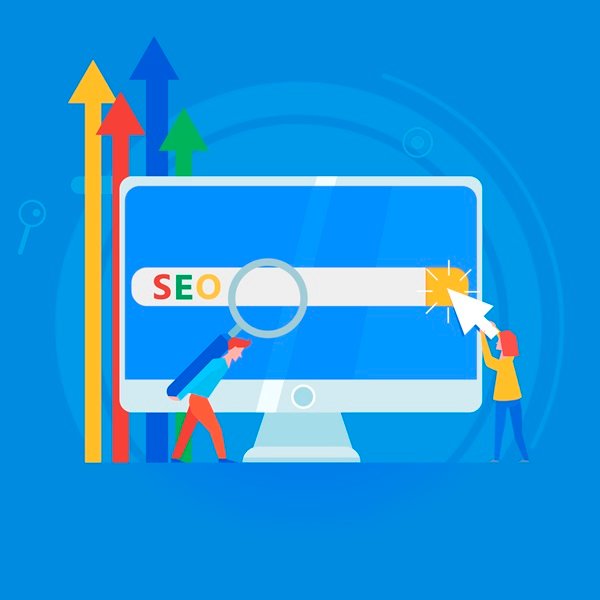
In today’s digital age, a strong online presence is crucial for business success. And at the heart of that presence lies SEO, or Search Engine Optimization. But how exactly does SEO help your business grow? Let’s delve into the reasons why SEO deserves a spot at the top of your marketing strategy.
1. Attract the Right Audience:
Imagine this: potential customers are actively searching for exactly what you offer. With effective SEO, your website ranks higher in search results for relevant keywords. This means you’re attracting qualified leads, people who are already interested in what you have to sell, rather than casting a wide net and hoping for the best.
2. Organic Traffic Powerhouse:
SEO is a magnet for organic traffic. By optimizing your website and content for search engines, you’re essentially telling them your site is valuable and relevant. The higher you rank, the more people will see your website naturally, without the need for paid advertising. This translates into a steady stream of visitors, all thanks to the power of SEO.
3. Credibility and Trust:
Ranking high in search results builds trust and credibility. When potential customers see your website at the top of the search game, they perceive you as an authority in your field. This can be a game-changer, influencing their decision to choose you over competitors.
4. Conversion Magic:
SEO isn’t just about getting people to your website; it’s about converting them into customers. When you target the right keywords and create high-quality content that addresses their needs, you’re nurturing leads and guiding them down the sales funnel.
5. Long-Term Growth Strategy:
Unlike paid advertising that stops when the budget dries up, SEO delivers long-term benefits. By consistently optimizing your website and content, you’re building a sustainable online presence that continues to attract and convert customers over time.
6. A User-Friendly Ally:
SEO goes hand in hand with creating a user-friendly website. Search engines favor sites that offer a positive user experience, with fast loading times, clear navigation, and mobile-friendliness. By focusing on SEO, you’re inadvertently improving your website for both search engines and visitors, creating a win-win situation.
7. Stay Ahead of the Curve:
SEO isn’t a one-time fix. Search engine algorithms are constantly evolving. But by staying up-to-date with SEO best practices, you ensure your website remains visible and adapts to the ever-changing digital landscape.
8. Measurable Results:
Unlike some marketing strategies, SEO provides clear, measurable results. With analytics tools, you can track website traffic, identify high-performing keywords, and see how SEO efforts are impacting your bottom line. This data allows you to refine your approach and maximize your return on investment (ROI).
9. Gives credibility
Even though it’s not written down anywhere, most people believe that when a website shows up high in search results, it’s more trustworthy. Usually, folks see the first few results as reliable sources of information. If your website ranks high up there too, it tells customers you’re trustworthy. They’re more likely to buy from you and trust what you’re selling. Plus, good search engine optimization (SEO) can make more people aware of your brand and keep coming back to your site for new stuff or advice.
In Conclusion:
SEO is a powerful tool that can propel your business growth. By attracting the right audience, boosting conversions, and building brand authority, SEO empowers you to thrive in the competitive digital world. So, if you haven’t already, it’s time to embrace SEO and unlock the true potential of your online presence.
FAQ
What is SEO and why is it important for my business?
SEO stands for Search Engine Optimization. It’s the practice of improving your website’s ranking in search results for relevant keywords. This increases organic traffic (visitors who find you through search engines) and helps your business grow.
How can SEO help me get more customers?
Good SEO attracts people who are already searching for products or services like yours. This means they’re more likely to convert into paying customers compared to random website visitors.
Isn’t SEO expensive?
Compared to paid advertising, SEO is a relatively cost-effective strategy. While there may be upfront costs for things like keyword research or content creation, the benefits are long-lasting and can generate a steady stream of traffic.
What are the key SEO trends for 2024?
In 2024, a focus on high-quality, informative content, mobile-friendliness, and user experience (UX) will remain crucial. Additionally, optimizing for voice search and local SEO (for brick-and-mortar businesses) are becoming increasingly important.
How can I measure the success of my SEO efforts?
There are many SEO metrics you can track, such as website traffic, keyword rankings, conversion rates, and bounce rates. By monitoring these metrics, you can see what’s working and adjust your strategy accordingly.
Can I do SEO myself, or should I hire a professional?
While basic SEO tasks are manageable, a comprehensive strategy often requires expertise. Hiring an SEO professional can save you time and ensure you’re using the best practices.
How long does it take to see results from SEO?
SEO is a long-term strategy. It typically takes several months to see significant improvements in your rankings and traffic. However, the long-lasting benefits make it a worthwhile investment.
Is SEO still relevant with the rise of social media?
Absolutely! Social media can be a great way to connect with potential customers, but SEO ensures you’re found by people actively searching for your offerings.
Is SEO getting harder over time?
Search engine algorithms are constantly evolving, but the core principles of SEO remain the same. By focusing on creating valuable content and providing a good user experience, you’ll be well on your way to SEO success.
Where can I learn more about SEO?
There are many resources available online and offline to help you learn more about SEO. You can find helpful articles, ebooks, and video tutorials by searching for “SEO basics” or “SEO guide for beginners.”

The Rise of Women in Digital Marketing
The digital marketing landscape is undergoing a paradigm shift, and at the forefront of this change are women. Once a male-dominated field, digital marketing is witnessing a surge in female leadership, with women making their mark in every aspect, from search engine optimization (SEO) to content marketing and social media marketing.
This rise is not merely a numerical increase, but a transformative force reshaping the industry. Women are bringing unique perspectives, diverse skillsets, and innovative approaches to the table, leading to more engaging, authentic, and data-driven marketing strategies that resonate with a wider audience.
The exponential growth of social media: Platforms like Instagram, TikTok, and LinkedIn have become powerful tools for women to build their personal brands, connect directly with target audiences, and establish themselves as thought leaders.
The increasing importance of storytelling and emotional connection: Women often excel in these areas, crafting compelling narratives that resonate with consumers on a deeper level and foster lasting brand loyalty.
A growing recognition of the value of diversity and inclusion: As consumers demand authenticity and representation, brands are increasingly recognizing the importance of diverse voices in their marketing strategies. Women bring unique viewpoints and lived experiences to the table, leading to more inclusive and effective campaigns.
The impact of women in digital marketing is already evident across various aspects of the industry:
SEO: Women are leading the charge in technical SEO and content strategy, ensuring websites are optimized for search engines while delivering valuable, engaging content that attracts and retains audiences.
Content marketing: From creating captivating blog posts to developing compelling video content, women are playing a crucial role in crafting authentic narratives that connect with consumers on an emotional level.
Social media marketing: Women are driving innovation in social media marketing, leveraging their strong understanding of audience engagement to develop dynamic social media strategies that foster brand awareness and community building.
The future of digital marketing is bright with women at the helm. As the industry continues to evolve, we can expect to see even more groundbreaking ideas, innovative approaches, and impactful contributions from women leaders who are shaping the future of this dynamic field.
Women are revolutionizing digital marketing, rising as powerhouses in a once male-dominated field. From SEO to social media, their unique perspectives, storytelling skills, and data-driven strategies are shaping the future of the industry.
Social media platforms have empowered women to build brands, connect with audiences, and become thought leaders. Their compelling narratives and understanding of engagement are driving effective, authentic marketing that resonates with consumers.
Expect even more groundbreaking ideas and impactful contributions from these future leaders who are changing the game in digital marketing.
Key Points: Women Rise in Digital Marketing
Shifting landscape: Women are increasingly leading the charge in digital marketing, once a male-dominated field.
Unique contributions: They bring diverse perspectives, storytelling skills, and data-driven strategies to the table.
Impactful changes: This rise fosters authenticity, inclusivity, and effective marketing that resonates with consumers.
Evolving future: Women’s leadership promises a brighter future for digital marketing, emphasizing creativity and impactful storytelling.
Conclusion: A Brighter Future for Digital Marketing
The rise of women in digital marketing signifies more than just a shift in demographics; it represents a paradigm shift in the industry itself. Women are bringing fresh perspectives, diverse skillsets, and innovative approaches, leading to more engaging, authentic, and data-driven marketing strategies that resonate with a wider audience. This transformation promises a brighter future for digital marketing, where inclusivity, creativity, and impactful storytelling take center stage, shaping the way brands connect with consumers for years to come.
FAQ
-
Is digital marketing a male-dominated field?
Digital marketing has historically leaned male, but women are making significant strides. While progress is ongoing, the industry is becoming more balanced.
-
What are some areas where women excel in digital marketing?
Women are leaders in social media marketing, content creation, and influencer marketing. They excel at understanding audiences and crafting engaging content.
-
How are women influencing leadership in digital marketing?
Women leaders bring diverse perspectives and strong emotional intelligence to the table. They are fostering customer-centric campaigns and embracing new technologies.
-
Are there any challenges women face in digital marketing careers?
The gender pay gap persists in digital marketing, and women can be underrepresented in leadership roles. Overcoming these biases is crucial for true equality.
-
Who are some pioneering women in digital marketing?
Industry leaders like Ann Hadley, Madalyn Skylar, and Ardath Albee paved the way for future generations. Countless women continue to innovate in the field.
-
How do female influencers impact digital marketing?
They create authentic, visually appealing content that resonates with audiences. This shift towards relatable marketing is a big contribution.
-
Why is diversity in digital marketing important?
Diverse teams bring a wider range of ideas and experiences to the table, leading to more effective and inclusive marketing campaigns.
-
What are some resources for women looking to enter digital marketing?
Many online courses, mentorship programs, and organizations support women in digital marketing. Research online communities and professional networks.
-
What skills are essential for a successful career in digital marketing?
Analytical thinking, creativity, strong communication skills, and a willingness to learn and adapt are all key assets in this ever-evolving field.
-
Is the future of digital marketing bright for women?
Absolutely! With the growing emphasis on diversity and the rise of women leaders, the future of digital marketing offers exciting opportunities for women.

Video Marketing: A Trend in Digital Marketing
Introduction:- In the ever-churning gears of the digital world, where attention spans are fleeting and competition is fierce, brands are constantly seeking innovative ways to break through the noise. Video marketing is no longer just a fad – it’s become a super important tool for digital marketing. Videos are way more engaging than pictures and text. They can tell stories, show products being used, and connect with people on a deeper level. As people turn to watching more videos, video marketing will keep getting bigger and become the way brands connect with customers online.
In the ever-crowded digital landscape, where consumers are bombarded with information, brands are constantly seeking captivating ways to cut through the noise and forge connections. Video marketing has emerged not as a fleeting trend, but as a dominant force, engaging audiences and delivering messages in a way that static text and images simply cannot. This powerful medium allows businesses to tell their stories, showcase products, and build trust with consumers on a deeper level. As consumer habits continue to evolve, with a growing preference for visual content, video marketing is poised to remain a continuing trend, shaping the future of digital marketing.
Read Also: Video Marketing Strategy To Know
What is Video Marketing?
Video marketing uses the video content to promote any brand and product. It encompasses a wide range of video types, from short social media clips to explainer videos, product demos, customer testimonials, and even branded entertainment content.
The goal of video marketing can very depending on the specific campaign, but it generally aims to:
- Increase brand awareness: Introduce your brand and its offerings to a wider audience.
- Drive engagement: Capture attention, spark interest, and encourage viewers to interact with your content.
- Educate and inform: Explain complex concepts, showcase product features, and provide valuable information to potential customers.
- Build trust and credibility: Humanize your brand, connect with viewers on an emotional level, and establish yourself as a thought leader in your industry.
- Boost conversions: Motivate viewers to take action, such as visiting your website, subscribing to your newsletter, or making a purchase.
The Future of Video Marketing
- The Rise of Short-Form Video: Platforms like Facebook and Instagram Reels have popularized short-form video content. Video marketing strategies will need to adapt to this trend, creating concise and engaging videos that capture attention in a short timeframe.
- The Power of Personalization: Video marketing is becoming more personalized. Brands are using data to tailor video content to specific audience segments, leading to a more impactful viewing experience.
- Interactive Video Experiences: Look for the rise of interactive video experiences, where viewers can click on elements within the video to learn more about a product or service. Video marketing will become even more engaging and interactive in the future.
Why Video Marketing Reigns Supreme in Digital Marketing
The world of online marketing is like a busy marketplace. Companies fight to get noticed by customers, with messages getting lost in overflowing emails and jam-packed social media. Trends come and go quickly, but one strategy has proven to be a real winner.
Video marketing
More than just a passing fad, video marketing has define itself as a fundamental pillar of any successful digital marketing strategy. Its power lies in its ability to attract audiences in a way static text and images simply cannot. Let’s delve deeper into why video marketing continues to reign supreme and explore how you can leverage it to elevate your brand.
The Enthralling Power of Video
The human brain is wired to process visuals. Studies show that viewers retain a staggering maximum of message conveyed through video, compared to a measly minimum for text. This inherent engagement is the magic bullet of video marketing. It allows you to craft captivating stories, showcase your products in action, and create emotional connections with your audience – a recipe for building brand loyalty and trust.
Power of Video Marketing
Video marketing isn’t just about entertainment; it’s a powerful conversion tool. So, how does it work? Videos can effectively guide viewers through the sales funnel, from initial brand awareness to the final conversion. They can explain complex concepts in a clear and concise way, showcase product benefits in a visually compelling manner, and ultimately, persuade viewers to take action.
Read Also: The Ultimate Guide to Social Media Marketing and Types
Social Media Magnetism: The Video Advantage
Democratization of Video: Accessibility for All
The beauty of video marketing lies in its increasing accessibility. The rise of smartphones with high-quality cameras and the availability of affordable editing tools have leveled the playing field. Businesses of all sizes, from solopreneurs to established corporations, can now leverage the power of video without breaking the bank.
There are numerous online tutorials and resources available to guide you through the video creation process, making it easier than ever to get started. Videos are king on social media! People love and share them way more than photos or text. This is a golden opportunity for businesses to get noticed. Make cool videos people want to share, and social media will help spread the word for free. Videos from real customers raving about your product are like magic – they make people trust you even more.
A Glimpse into the Video Marketing Crystal Ball
The future of video marketing is coming with exciting possibilities. As technology continues to evolve, we can expect to see even more innovative ways to engage audiences with video content:
- The Short-Form Video Revolution: Platforms like Facebook and Instagram Reels have ushered in the era of short-form video content. This trend necessitates adapting video marketing strategies to create concise and captivating videos that grab attention within a limited timeframe.
- The Power of Personalization: Video marketing is about to get even more personal. Brands are increasingly leveraging data to tailor video content to specific audience segments. This data-driven approach ensures a more impactful viewing experience, leading to higher engagement and conversion rates.
- Interactive Video Experiences: Get ready for a wave of interactive video experiences. Imagine viewers clicking on elements within a video to learn more about a product or service, or being able to personalize their viewing experience in real-time. Interactive video promises to be the next frontier in audience engagement.
Read Also: Why is Social Media an Important part of Inbound Marketing
The Final Cut: Action Over Contemplation
By embracing video marketing, you can transform your digital marketing strategy and built meaningful connections with your audience. The benefits are undeniable – increased engagement, boosted conversions, and a stronger brand presence.
Conclusion:-
Video marketing isn’t just a trend, it’s a must-have for digital marketing today. Videos grab attention, keep people interested, and convince them to buy your product or service. This helps you get your brand name out there, build trust, and ultimately make more sales. As technology gets better and people’s tastes change, video marketing will stay important, and will be a key way for businesses to connect with their customers in the ever-changing digital world. Basically, if you’re not already using video marketing, you should start now! By adding cool video content to your plan, you can unlock its power and take your brand message to the next level.

The Ultimate Guide to Social Media Marketing and Types
Forget the old ways of social media! This guide will show you the latest trends that are super popular. We’ll break down how to use short videos, build a strong community, and deal with the ever-changing algorithm to get your brand seen by everyone (even go viral!). So put down those fancy filters, grab your phone, and get ready to learn the secrets of social media marketing that people love today.
Read Also: What Are The Best Strategies For Social Media Marketing In 2024?
What is Social Media Marketing?
Social media marketing is the art of leveraging social media platforms to connect and engage with your target audience. It goes beyond just posting content; it’s about building relationships, Building conversations, and ultimately driving brand awareness and sales. Think of it as a two-way street where you provide valuable content and interact with your audience to build a loyal community around your brand.
Types of Social Media Marketing
1. Micro-Influencer Marketing: Instead of chasing big-names, partner with smaller influencers who have a highly engaged and aligns with your brand. This allows for a more targeted approach and build a sense of trust and authenticity.
2. Interactive Content Campaigns: Move beyond static posts and embrace interactive formats like polls, quizzes, and live Q&A sessions. This type of content sparks conversation, gathers valuable audience insights, and keeps your followers actively engaged.
3. Shoppable Social Media: Platforms like Instagram and interest are increasingly integrating shopping features. Utilize these features to create shoppable posts, stories, and live streams, allowing viewers to seamlessly discover and purchase your products directly within the app.
4. Community-Driven Hashtags: Don’t just jump on every trending hashtag. Create or leverage community-driven hashtags that resonate with your audience and encourage user-generated content around a specific theme or challenge.
5. Ephemeral Content Marketing: Capitalize on the rise of short-lived content formats like Instagram Stories and Snapchat. Share behind-the-scenes glimpses, offer exclusive previews, or run time-sensitive promotions to create a sense of urgency and keep your audience coming back
A glimpse into the future
We’re all on social media these days, right? It’s where we see funny stuff, catch up on news, and maybe even watch a cat video or two. They can use it to reach tons of people and build relationships with them that last.
Read Also: How Does Social Media Marketing Help a Business Grow in 2024?
Why Social Media Marketing Matters:

In today’s digital world, consumers crave interaction and authenticity. Gone are the days of passive advertising. Social media marketing allows you to:
- Connect Directly with Your Audience: No longer are you shouting your message into the void. Social media platforms provide a direct line of communication with potential and existing customers.
- Build Brand Awareness: Showcase your brand personality, share your story, and establish yourself as a thought leader in your industry.
- Drive Traffic and Sales: Link your social media profiles to your website or online store, making it easy for customers to discover your products and services.
- Boost Customer Engagement: Respond to comments and messages, host live events, and run contests – social media build a two-way conversation that builds loyalty and trust.
Key Feature: The Rise of Communities and Micro-Influencers
The future of social media marketing lies in building genuine connections. Forget chasing likes. Instead, focus on building vibrant communities around shared interests. Partner with micro-influencers whose values align with your brand and who have a loyal, engaged following within your niche.
Why We Need Social Media Marketing:-
Social media marketing isn’t a fad – it’s essential for businesses of all sizes. It offers a cost-effective way to reach a vast audience, build brand loyalty, and ultimately drive sales. In a nutshell, it’s about connecting with people in a meaningful way, and that’s a strategy that will never go out of style.
Read Also: What is the Most Powerful Social Media Marketing Strategy?
Building Bridges: Fostering Community and Engagement
Encourage user-generated content and brand interactions by running contests and giveaways that align with your brand identity.
- Embrace User-Generated Content: User-generated content (UGC) is a powerful tool that builds trust and authenticity. Encourage customers to share their experiences with your brand and showcase UGC on your platforms.
- Collaborate with Influencers: Partnering with relevant influencers can amplify your reach and expose your brand to a new audience. Choose influencers whose values align with yours and who resonate with your target market.
- Host Live Events: Live Q&A sessions, product demonstrations, or behind-the-scenes glimpses can boost engagement and create a sense of exclusivity for your followers.
- Run Paid Advertising Campaigns: Social media platforms offer powerful advertising tools. Utilize paid advertising strategically to target specific demographics and promote high-performing content or special offers.
Conclusion
Social media can be confusing, with new things popping up all the time. But at the end of the day, it’s still about connecting with people. Be yourself, have real conversations, and build a community around your brand. It’s not just about yelling your message at everyone – it’s about making friends with your customers. So relax, show your brand’s personality, and get ready to do well in the ever-changing world of social media marketing.
Why is Social Media an Important part of Inbound Marketing
Introduction:- Today’s marketing thrives on attraction. Social media acts as the fuel for inbound marketing, allowing you to connect with audiences organically and build relationships through engaging content. Let’s explore why this platform is vital for any successful inbound marketing strategy.
Social Media:-
Social media refers to interactive digital platforms that facilitate the creation, sharing, and consumption of information, ideas, and interests. These platforms enable users to connect with each other, build communities, and express themselves through text, images, videos, and other forms of content. Examples are Facebook, X, Instagram and LinkedIn.
Key characteristics of social media:
- User-generated content: Users are the primary creators and contributors of content.
- Interactivity: Users can interact with each other through comments, likes, shares, and messages.
- Community building: Platforms provide spaces for users to connect with like-minded individuals and form online communities.
- Information sharing: Enables the rapid dissemination of news, information, and ideas.
- Accessibility: Accessible from a variety of devices, making it a ubiquitous communication tool.
Inbound Marketing
Inbound marketing is a strategic approach that attracts, engages, and converts potential customers by providing valuable content and experiences. Unlike traditional outbound marketing methods that push messages through intrusive ads or cold calls, inbound marketing aims to earn the attention of customers by providing them with information and resources that address their needs and interests.
Characteristics of Inbound Marketing:
- Content-driven: Relies on creating high-quality content like blog posts, videos, infographics, and social media posts that are relevant and helpful to the target audience.
- Value-based: Focuses on offering value to potential customers by educating, informing, and entertaining them, building trust and establishing the brand as a thought leader.
- Attractive: Uses various channels, such as social media, search engine optimization (SEO), and email marketing, to attract potential customers organically.
- Interactive: Encourages two-way communication with potential customers by fostering conversations, responding to inquiries, and building relationships.
- Measurable: Tracks and analyses data to measure the effectiveness of marketing efforts and identify areas for improvement.
Benefits of Social Media for Inbound Marketing :-
In today’s digital landscape, social media has become an unparalleled force in the realm of inbound marketing. It transcends the limitations of traditional marketing methods, offering a unique blend of benefits that empower businesses to attract, engage, and convert customers:
1. Amplified Brand Awareness and Authority:
Social media platforms provide a powerful platform to showcase your brand, its values, and its expertise. By consistently sharing engaging content, participating in relevant conversations, and building relationships with your audience, you can establish your brand as a thought leader in your industry and increase brand awareness organically.
2. Deeper Customer Understanding and Engagement:
Social media fosters two-way communication, allowing you to directly connect with your target audience. By actively listening to their needs, interests, and concerns through comments, messages, and polls, you gain valuable insights into their perceptions and preferences. This understanding empowers you to tailor your content and marketing strategies to resonate better with your audience, fostering deeper engagement.
3. Content Distribution and Promotion:
Social media platforms offer a powerful channel to distribute and promote your valuable content. By sharing your blog posts, articles, videos, and other content on relevant platforms, you can reach a wider audience and drive traffic back to your website, ultimately increasing lead generation and conversions.
4. Cost-Effective Marketing Channel:
Compared to traditional marketing methods, social media offers a significantly more cost-effective way to reach your target audience. By leveraging organic reach and paid advertising options strategically, you can maximize your return on investment (ROI) and reach a wider audience without breaking the bank.
5. Building Brand Advocacy and Community:
Social media allows you to cultivate a community around your brand. By fostering positive interactions, responding to feedback, and encouraging user-generated content, you can empower your audience to become brand advocates. These advocates can amplify your reach, promote your brand organically, and build trust with potential customers.
Social Media Connection to Inbound Marketing
Social media acts as the lifeblood of inbound marketing. It allows you to attract potential customers organically by offering valuable content and fostering two-way communication. This approach builds brand awareness, deeper understanding, and stronger relationships, ultimately converting followers into loyal customers.
Forget intrusive ads, social media becomes the spark for inbound marketing. It allows you to attract potential customers organically by offering valuable content and fostering two-way interaction. This ignites brand awareness, fosters deeper understanding, and builds stronger relationships, ultimately converting followers into loyal advocates.
Inbound vs. Outbound Marketing: A Tale of Two Approaches
While both aim to attract and convert customers, their methodologies differ significantly. Here is differences:
Inbound Marketing:
- Approach: Attractive: Draws customers in with valuable content and experiences.
- Focus: Value-driven: Offers informative, engaging content that caters to the target audience’s needs.
- Channels: Utilizes organic channels like social media, SEO, and content marketing.
- Benefits: Builds trust, establishes thought leadership, fosters engagement, and generates qualified leads organically.
Outbound Marketing:
- Approach: Pushy: Pushes marketing messages towards potential customers through various channels.
- Focus: Awareness-driven: Aims to generate brand awareness and reach a broad audience.
- Channels: Employs traditional channels like cold calls, email blasts, and display advertising.
- Benefits: Can quickly reach a large audience and generate brand awareness, but may lack personalization and result in lower engagement.
Choosing the Right Approach:
The ideal marketing strategy often involves a blend of both inbound and outbound tactics, tailored to your specific goals and target audience. Go through these factors when making your decision:
- Industry: Inbound marketing may be more effective in B2B industries, while outbound strategies might work better for B2C products.
- Target audience: Understanding your audience’s online behaviour and preferred channels is crucial.
- Budget: Inbound marketing requires an initial investment in content creation, while outbound marketing may not.
Social Media Inbound:
Best practices in a flash fuel your inbound marketing engine with these social media practices:
- Craft valuable content: Share informative and engaging content that resonates with your audience’s needs.
- Be authentic and transparent: Build trust by showcasing your brand’s personality and values genuinely.
- Listen and engage: Respond to comments, messages, and questions promptly to foster meaningful connections.
- Utilize relevant hashtags: Increase discoverability by using targeted hashtags for your niche or industry.
- Run targeted ads: Strategically utilize paid advertising to reach a wider audience and achieve specific goals.
- Collaborate with influencers: Partner with relevant influencers to tap into their audience and build brand credibility.
- Track and analyse: Monitor your performance metrics to adjust your strategy for continuous improvement.
Conclusion: Social Media – The Indispensable Ally of Inbound Marketing
In the ever-evolving landscape of marketing, social media has emerged as an indispensable ally for inbound marketing strategies. Its ability to attract, engage, and convert customers organically through valuable content and interactive communication sets it apart from traditional methods.
By amplifying brand awareness, fostering deeper customer understanding, and facilitating content distribution, social media empowers businesses to build genuine connections with their target audience, ultimately cultivating loyal brand advocates and driving sustainable growth. As the digital world continues to evolve, social media’s role in shaping successful inbound marketing strategies will only become more prominent.